
CrossFi: Reimagining Financial Access at a Global Scale
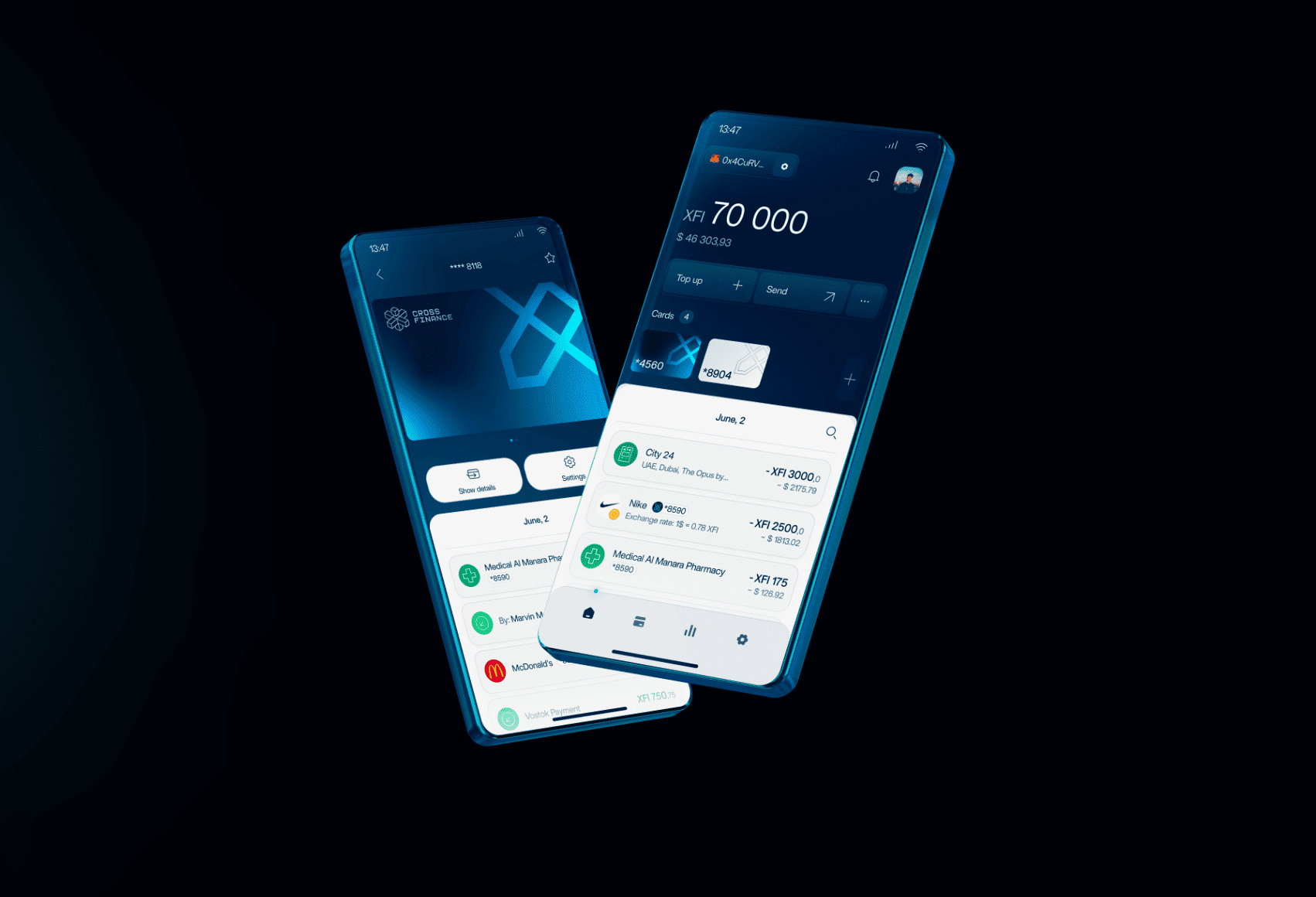
Around the world, millions remain excluded from the benefits of traditional banking, held back by outdated systems that favour the privileged few. CrossFi is changing that. By combining the power of Web3 technology with real-world usability and robust compliance, CrossFi is creating a borderless financial ecosystem designed to put people, not banks, first. This article examines how CrossFi is redefining financial freedom and unlocking new opportunities for those who need it most.
The world’s financial infrastructure wasn’t built for inclusion. Traditional systems favour the already privileged—those with established credit histories, residency in developed markets, and access to reliable banking. For billions across the Global South, the reality is different: underbanked, overlooked, and underserved. But what if the future of finance didn’t need to be built on old foundations?
That’s the thesis behind CrossFi: a decentralized financial ecosystem engineered to serve users not banks. With one foot in the real world and the other in the Web3 economy, CrossFi offers a full-stack solution that enables people to spend, earn, and grow their wealth without relying on traditional intermediaries.
Bridging the Financial Divide
CrossFi isn’t just another DeFi protocol. It’s a complete infrastructure layer combining:
- The CrossFi App, a user-friendly wallet and card solution for daily use
- xApp, a powerful DeFi dashboard enabling swaps, bridging, and staking
- xAssets, synthetic financial instruments granting exposure to commodities, currencies, and indexes
- PhoLend, a collateralised lending protocol for stablecoin-based microfinance
- CrossFi Chain, a sovereign Layer 1 blockchain designed for modular growth
- DeBridge, a cross-chain liquidity and messaging layer
Each product targets a core pain point. A freelancer in Nairobi can get paid in USDT and spend it using a card. A crypto trader in Buenos Aires can gain synthetic exposure to gold without needing a broker. A micro-entrepreneur in Jakarta can borrow against stablecoin savings all without stepping into a bank.
Compliance, Security, and Scalability
CrossFi was designed with regulation in mind. Products are non-custodial, user-controlled, and built on audited smart contracts. PCI DSS compliance ensures payment-grade security, and its regional rollout strategy aligns with licensing in emerging economies.
This makes CrossFi more than an experiment, it’s a scalable blueprint for how DeFi can coexist with compliance and real-world usability.
The Big Picture
The real innovation isn’t just in the tech, it’s in the model. By bundling essential financial services into one cohesive experience, CrossFi becomes a gateway for users in underserved markets to leapfrog outdated systems.
In the long arc of financial history, we’re witnessing a shift from centralised control to decentralised sovereignty. CrossFi is writing the next chapter.