
Reeves Summons Bank Chiefs Over Iran Fallout
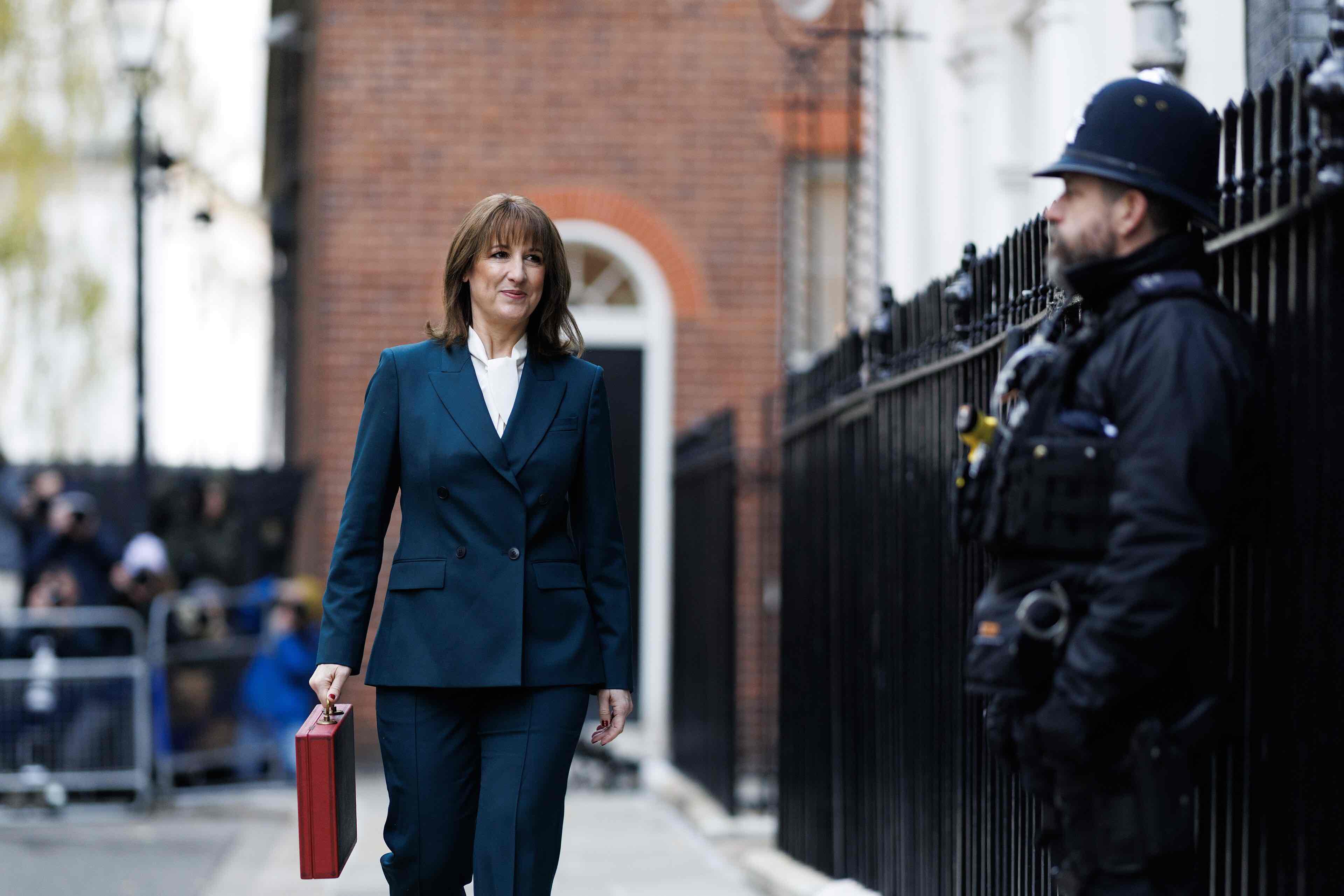
Rachel Reeves has called in the bosses of some of Britain’s biggest banks for talks this week on how to limit the impact of the Iran war on the UK economy. HSBC, Barclays, Lloyds, NatWest and Santander are among the lenders expected to attend, as the government confronts growing concern over higher energy costs, weaker business confidence and the risk of a broader economic slowdown.
The meeting is significant because it shows the Treasury is treating the banking sector not simply as a source of financial stability, but as a frontline channel through which economic stress could spread. Banks sit at the centre of business lending, household borrowing and market sentiment, so any prolonged shock tied to oil prices, inflation or weakened consumer demand would quickly feed into credit conditions and investment decisions. Reeves’ intervention also suggests the government is moving from monitoring the fallout to considering how the financial system can help cushion it.
The concern is not theoretical. Recent reporting has pointed to a darker outlook for the UK economy as the conflict in the Middle East continues to unsettle global markets. The Guardian reported analysis suggesting Britain could be flirting with recession, with growth expected to slow sharply and unemployment projected to rise by mid-2027. At the same time, Reuters reported that finance ministers have warned of prolonged economic damage from the conflict, particularly through energy markets and inflation. For bank executives, that raises immediate questions around credit quality, corporate resilience and how borrowers may cope if costs remain elevated.
For the banking industry, the talks are also a reminder that periods of geopolitical instability can quickly become balance-sheet issues. If businesses delay investment, households cut spending and confidence deteriorates, lenders may face weaker demand in some areas and higher risk in others. The banks attending the meeting are therefore likely to be discussing more than macroeconomic forecasts. They will also be considering how to manage liquidity, support customers and preserve stability if the external shock proves more persistent than hoped. In that sense, the summit reflects a wider reality: when war reshapes energy markets and economic expectations, banks do not just observe the fallout. They help determine how far it spreads.