
Gold Climbs As Investors Reassess Risk
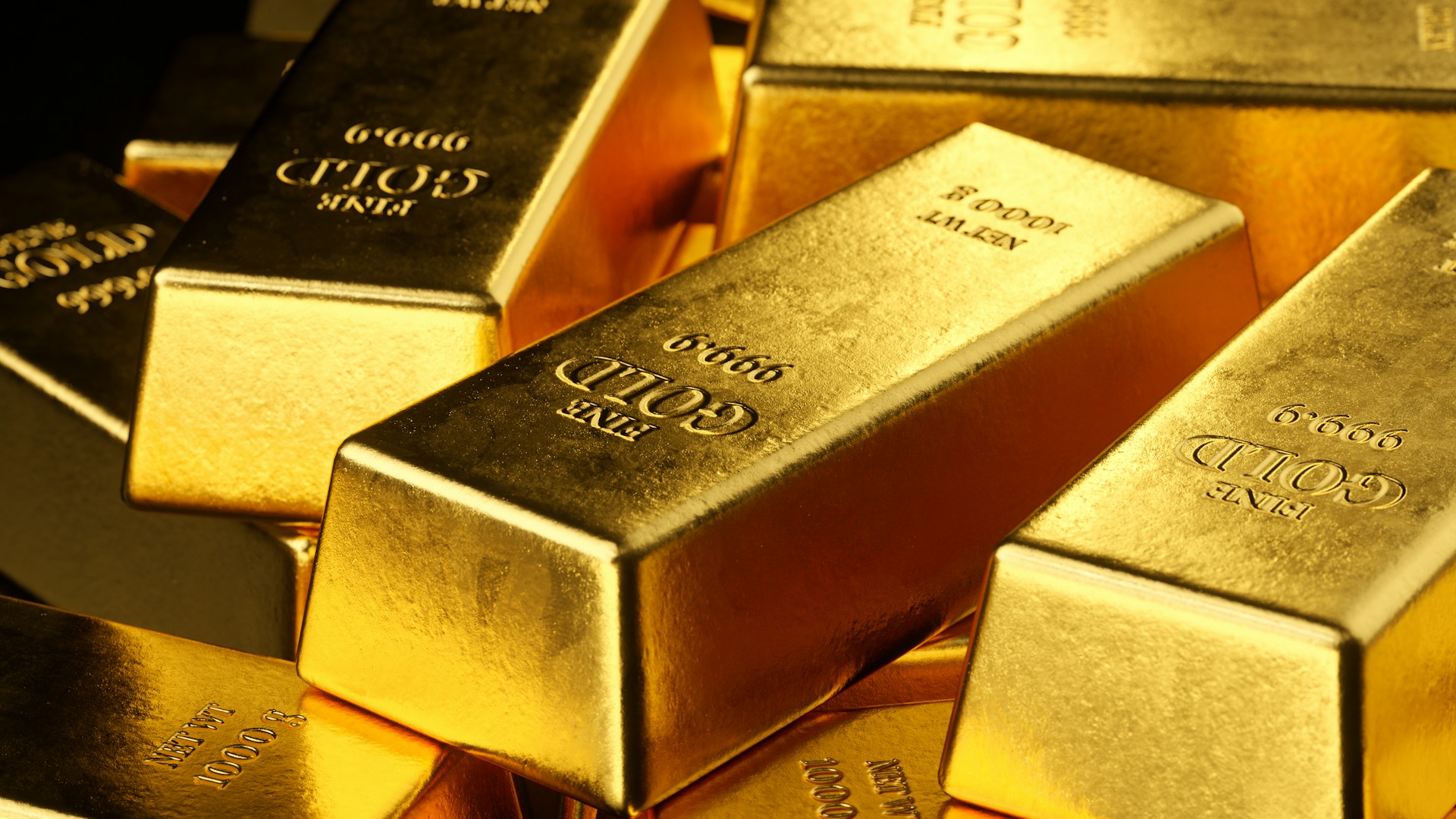
Gold edged higher to $4,807.69 an ounce, rising 0.44% as investors continued to balance safe-haven demand against a stronger US dollar and renewed inflation concerns. The move reflects a market that remains highly sensitive to geopolitical developments, particularly after fresh tension linked to Iran unsettled broader sentiment across commodities and financial assets. Traders Union reported the latest gain, while Reuters said spot gold fell 0.8% on Monday to $4,790.59 after the dollar strengthened and inflation worries resurfaced, underlining how quickly momentum in bullion can shift from one session to the next.
The investment case for gold remains intact, but it is becoming more nuanced. Traditionally, bullion benefits when investors seek protection from conflict, market volatility or currency weakness. Yet the current backdrop has shown that safe-haven flows do not automatically favour gold alone. Reuters reported that the US dollar has recently overtaken bullion as the preferred defensive asset in parts of the market, particularly when rising oil prices threaten to keep inflation elevated and push bond yields higher. That matters because higher yields increase the opportunity cost of holding a non-yielding asset such as gold.
Even so, the broader trend still points to a market trading at historically elevated levels. Reuters reported earlier this year that gold broke above $4,900 an ounce for the first time in January, driven by geopolitical stress, a softer dollar and expectations of US rate cuts. More recently, gold rose 1.5% on 17 April to $4,861.32 after easing tensions around the Strait of Hormuz weakened the dollar and revived hopes of looser monetary policy. Those swings suggest investors are not simply buying gold on fear alone; they are also using it to position around inflation, rates and currency expectations.
For investors, that makes gold less a one-dimensional hedge and more a barometer of competing macro forces. It still offers protection in periods of geopolitical stress, but its direction is increasingly shaped by whether inflation fears strengthen the dollar or revive expectations of rate cuts. With bullion remaining close to record territory and volatility still elevated, the latest rise suggests investors have not abandoned the metal’s defensive appeal. Instead, they are reassessing how it fits into a market where risk, inflation and policy expectations are all moving at once.