
Carney Signals Rethink Of Canada-US Economic Ties
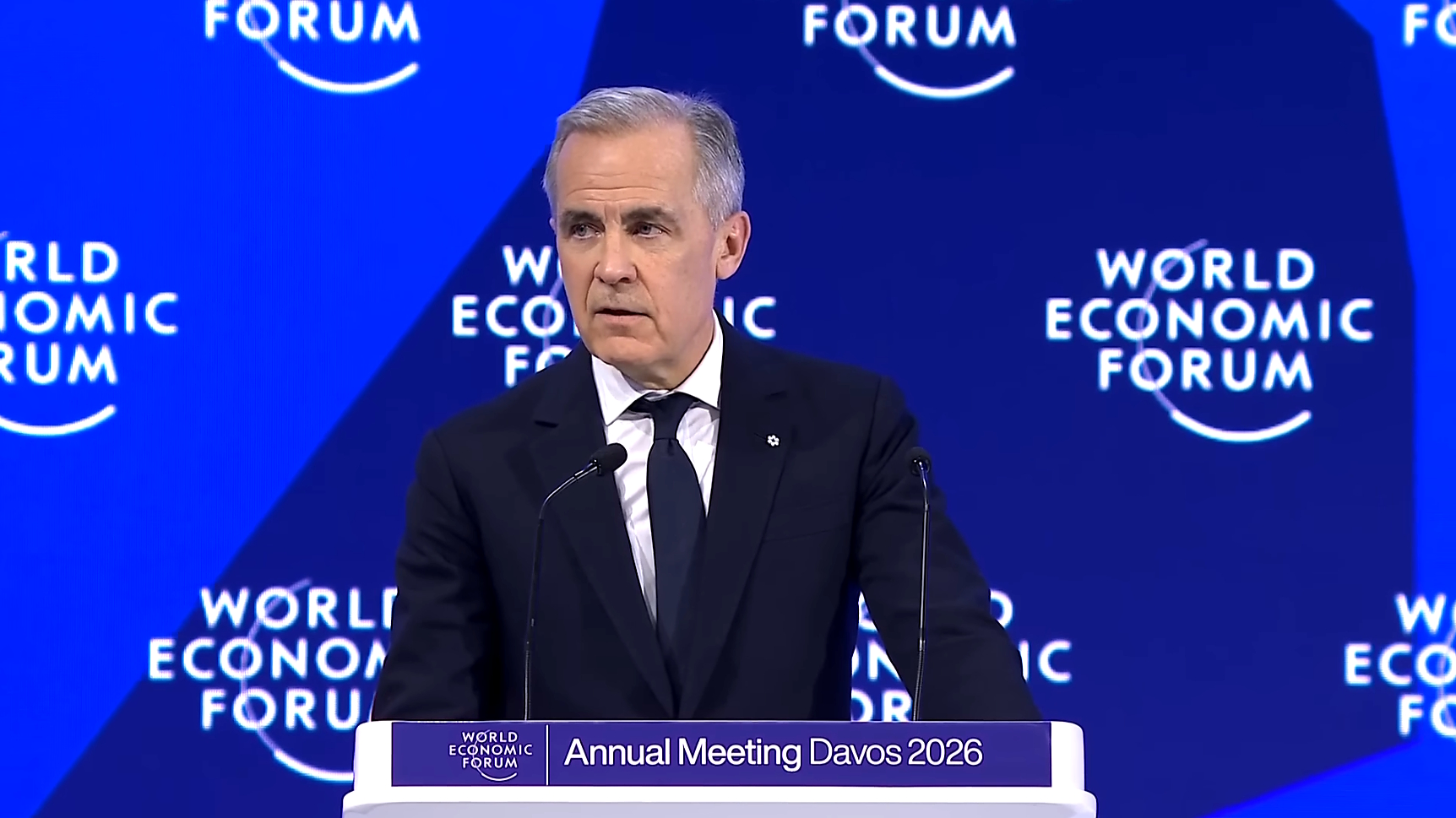
Canadian Prime Minister Mark Carney has said Canada’s close economic relationship with the United States has become a “weakness” that must now be corrected, marking one of his clearest statements yet on the need to reduce reliance on its largest trading partner. In remarks released in a 10-minute video, Carney argued that a more dangerous and divided global environment, combined with Washington’s tougher trade stance, means Canada can no longer depend so heavily on one foreign market.
The comments are significant because they point to a broader economic recalibration rather than a passing political dispute. For decades, deep integration with the US helped underpin Canadian growth, investment and trade efficiency. Carney’s argument is that the same dependence now leaves Canada more exposed when American policy shifts abruptly. He linked that vulnerability directly to higher US tariffs, saying Washington had raised them to levels last seen during the Great Depression, a change that is forcing Ottawa to think more urgently about diversification.
The shift also reflects a wider change in the tone of Canada-US relations. Al Jazeera reported that tensions have been stirred not only by tariff threats from President Donald Trump, but also by comments that Canada should become a US state, rhetoric that has unsettled many Canadians. Against that backdrop, Carney’s message was less about symbolic distance and more about economic resilience. He said Canada must take greater responsibility for its own future because it cannot control disruption coming from its neighbour or assume that instability will suddenly end.
For the economy, the real test will be whether this rhetoric translates into a practical trade and investment strategy. Al Jazeera reported that Carney has already sought closer economic ties with countries including China, whilst a review of the US-Canada-Mexico free trade pact is scheduled for July. Those developments suggest the government is preparing for a more complex phase in North American economic relations, where preserving access to the US market remains important but no longer sufficient on its own.
The deeper implication is that Canada may be entering a period of deliberate economic repositioning. Diversifying trade is rarely quick or simple, especially for an economy so closely linked to the US, but Carney’s remarks suggest Ottawa now sees that effort as a strategic necessity rather than a long-term aspiration. If that view hardens into policy, it could reshape how Canada approaches trade, investment and industrial planning in the years ahead.