
UK Plans Easing Of Banking Ringfencing
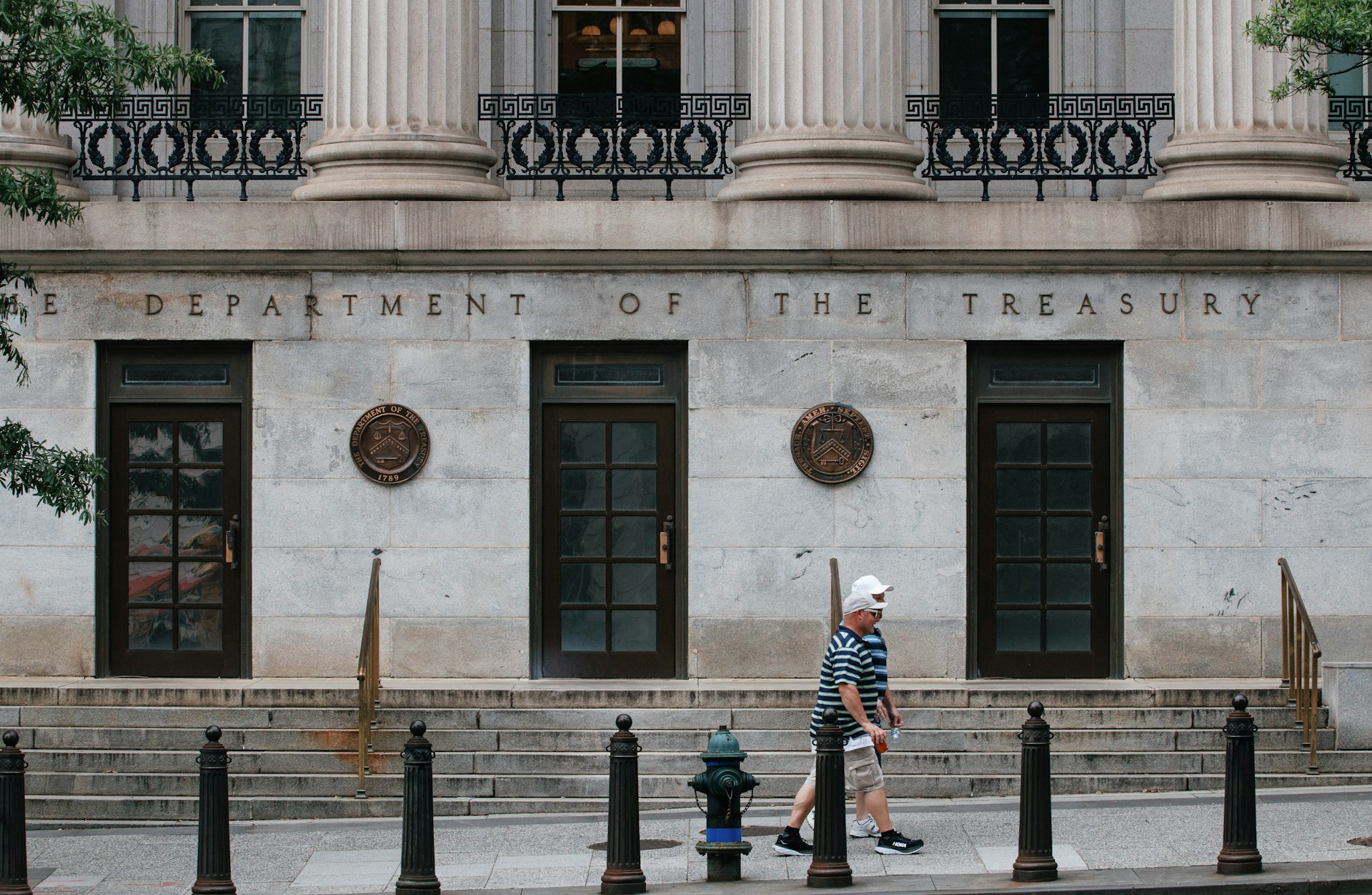
The UK government is preparing to relax banking ringfencing rules introduced after the global financial crisis as ministers attempt to stimulate lending and support economic growth. Treasury officials believe easing restrictions separating retail banking operations from investment banking activities could unlock billions of pounds in additional financing for businesses, infrastructure and households during a period of subdued economic expansion.
Chief Secretary to the Treasury Darren Jones said proposed reforms could release up to £80 billion in extra lending capacity across the banking sector. The government argues that the current framework, originally designed to strengthen financial stability after the 2008 banking crisis, has become overly restrictive and now limits banks’ ability to support investment and wider economic activity.
Ringfencing was recommended by the Independent Commission on Banking in 2011 following the collapse of major financial institutions during the global financial crisis. The reforms were later legislated through the Financial Services Act and formally implemented in 2019, requiring large UK banks to separate consumer banking services such as deposits and mortgages from riskier investment banking operations. The rules were designed to protect everyday banking functions from market shocks and reduce the likelihood of future taxpayer-funded bailouts.
The proposed changes form part of the government’s wider strategy to improve productivity, encourage private sector investment and strengthen Britain’s competitiveness as a financial centre. Officials believe giving banks greater operational flexibility could help increase financing for housing, infrastructure and corporate expansion at a time when business confidence and economic growth remain weak.
However, critics warn that weakening post-crisis safeguards could increase risks within the financial system if market conditions deteriorate. Consumer groups and some regulators argue that ringfencing remains an important protection against excessive risk-taking inside major banking institutions. The debate therefore reflects broader tensions between promoting economic growth and maintaining financial stability as policymakers attempt to balance competitiveness with lessons learned from the global financial crisis.