
China Economic Weakness Pressures Growth Outlook
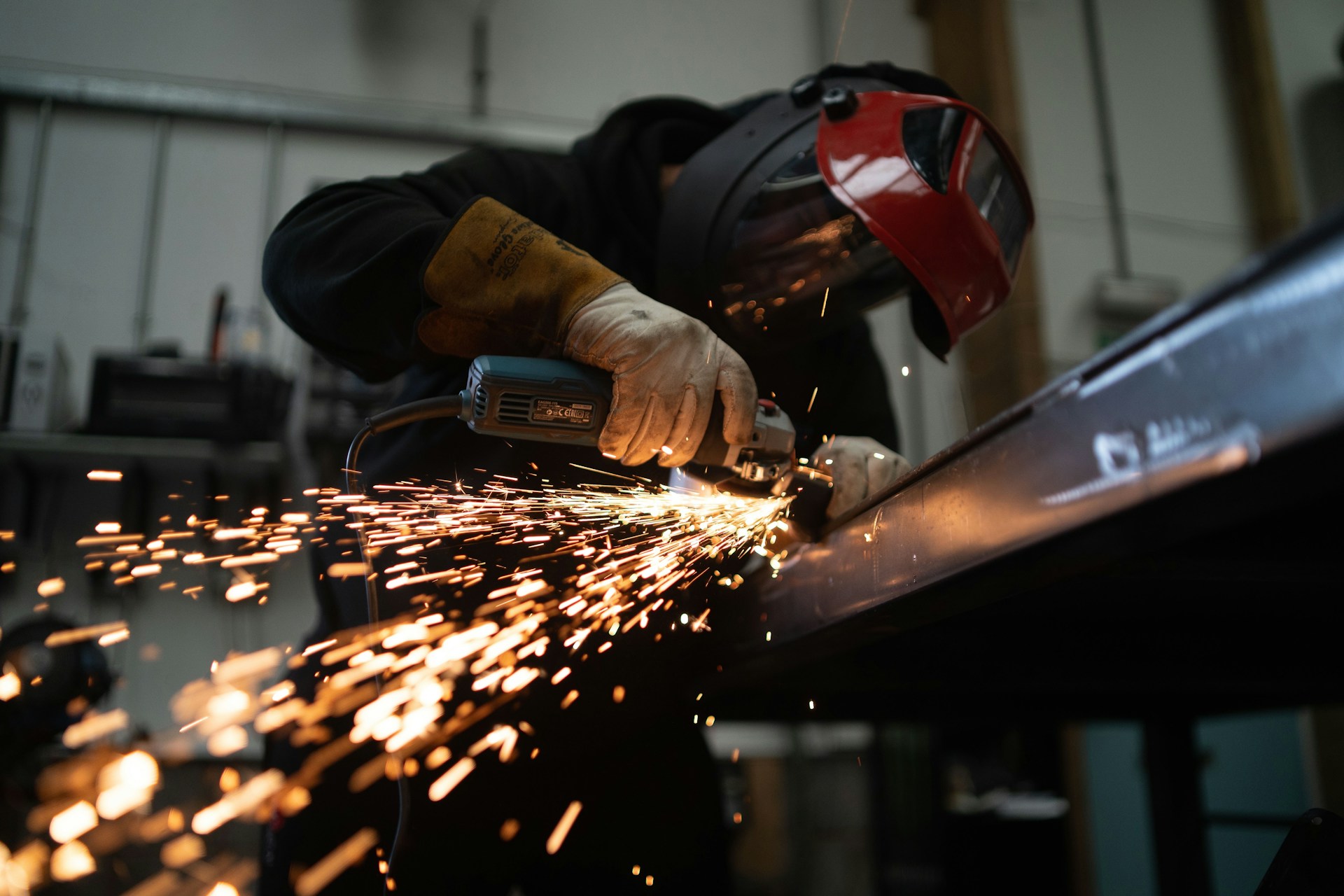
China’s economy lost further momentum in April as weaker retail sales, slowing industrial output and declining investment reinforced concerns over the country’s fragile growth outlook. The latest economic data highlights mounting pressure on policymakers as domestic demand weakens, property sector instability persists and external geopolitical risks increasingly affect business confidence and industrial activity.
Official figures showed industrial output expanded 4.1 per cent year-on-year in April, slowing from 5.7 per cent in March and falling below analyst expectations. Retail sales increased only 0.2 per cent, marking one of the weakest readings since late 2022, while fixed-asset investment growth slowed sharply during the first four months of the year. Economists believe the figures underline continuing weakness in household consumption and private sector confidence despite stronger export activity linked to technology manufacturing and artificial intelligence supply chains.
China’s property sector remains a major drag on broader economic performance. Housing investment and sales continue weakening despite government efforts to stabilise the market through financing support and regulatory easing measures. Analysts warn prolonged property weakness is reducing household wealth, limiting consumer spending and increasing pressure on local government finances, all of which continue weighing on economic growth.
External risks are also contributing to weaker momentum. Rising oil prices linked to Middle East instability have increased manufacturing and transport costs, while trade tensions and geopolitical uncertainty continue affecting investment sentiment. Although exports remain relatively resilient, economists argue overseas demand alone cannot offset softer domestic activity across retail, property and infrastructure sectors.
The weaker April data increases pressure on Beijing to introduce additional stimulus measures later this year. Investors are closely monitoring whether policymakers expand fiscal support, loosen credit conditions or accelerate infrastructure spending to stabilise growth. The figures reinforce growing concerns that China’s recovery remains uneven and vulnerable to both structural domestic challenges and worsening global economic uncertainty.