
Trump Xi Talks Strained Over Taiwan
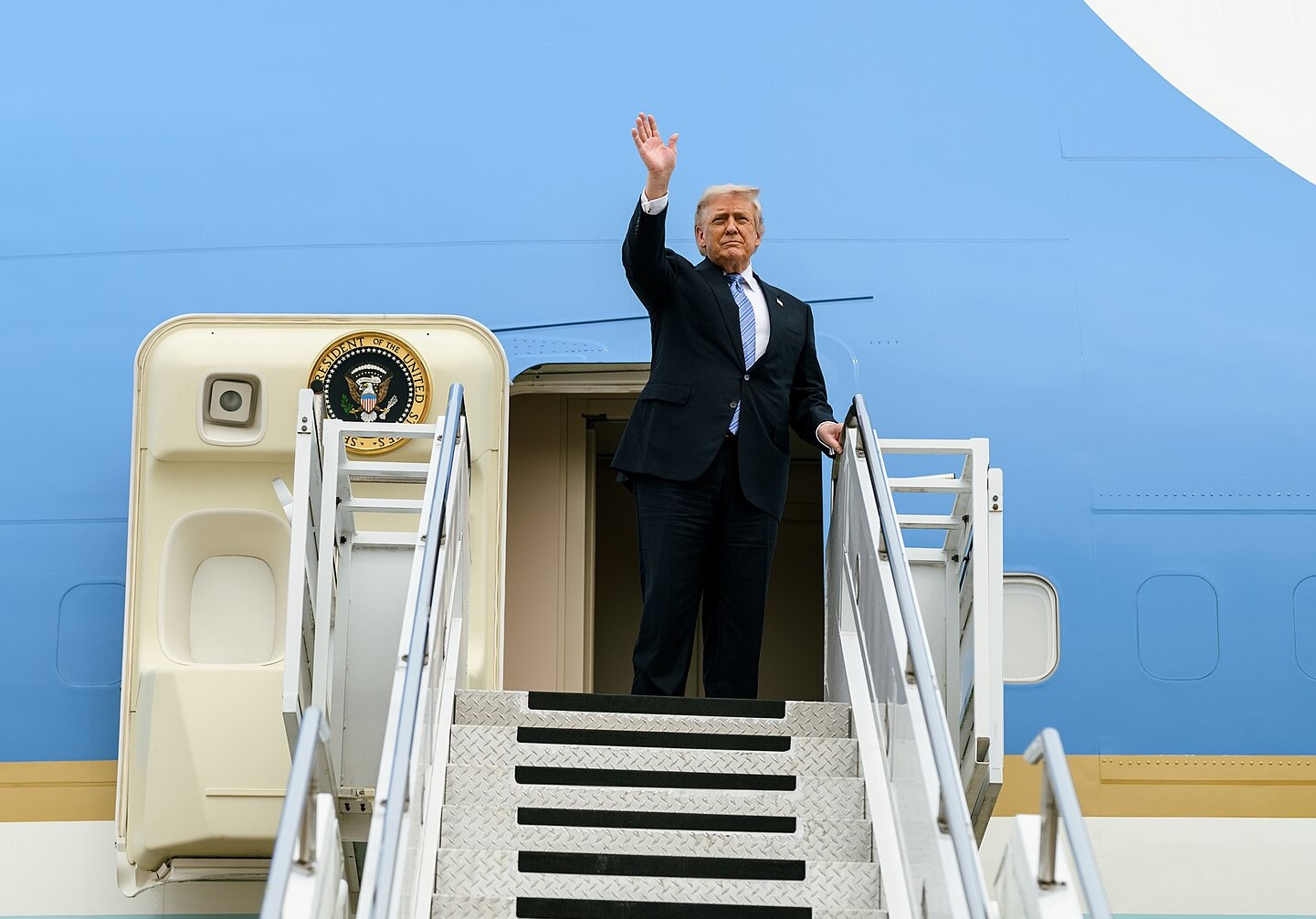
US President Donald Trump concluded his visit to Beijing after high-level talks with Chinese President Xi Jinping highlighted continuing tensions over Taiwan, trade and technology despite efforts from both sides to project diplomatic stability. The summit, Trump’s first official trip to China since returning to office, combined economic discussions with growing geopolitical concerns that continue shaping relations between the world’s two largest economies.
Taiwan remained the most sensitive issue throughout the meetings. Chinese officials said Xi warned Trump that mishandling the Taiwan question could push US-China relations towards deeper confrontation. Beijing continues to regard Taiwan as part of its territory and strongly opposes military or political support from Washington towards the island. Although Trump avoided making direct public remarks on Taiwan during the visit, US officials reiterated that American policy towards Taipei remains unchanged.
Alongside geopolitical tensions, both governments attempted to preserve a fragile trade relationship amid growing uncertainty across global markets. Discussions reportedly included Chinese purchases of American agricultural goods, aircraft and energy products, while Beijing pushed for reduced restrictions on semiconductor exports and advanced technology access. Artificial intelligence infrastructure and chip exports have become increasingly important areas of economic competition between the two countries.
The talks took place at a difficult economic moment for both governments. The United States continues facing inflationary pressures and political uncertainty surrounding trade policy, while China is dealing with slowing domestic growth and weaker consumer demand. Analysts believe both countries are trying to avoid further economic disruption despite their increasingly confrontational positions on strategic issues including technology and regional security.
Trump departed Beijing following the conclusion of the summit without announcing any major policy breakthroughs. Nevertheless, both sides attempted to present the discussions as constructive and stable. Xi described the US-China relationship as globally significant, while Trump said cooperation between both countries remained important for international trade and economic growth.
Despite the diplomatic language, Taiwan continues to represent the clearest fault line between Washington and Beijing. Investors and businesses are likely to continue monitoring relations closely because any escalation surrounding Taiwan could significantly affect global trade, semiconductor supply chains and broader market stability.