
Trump Xi Explore Tariff Cuts To Ease Trade
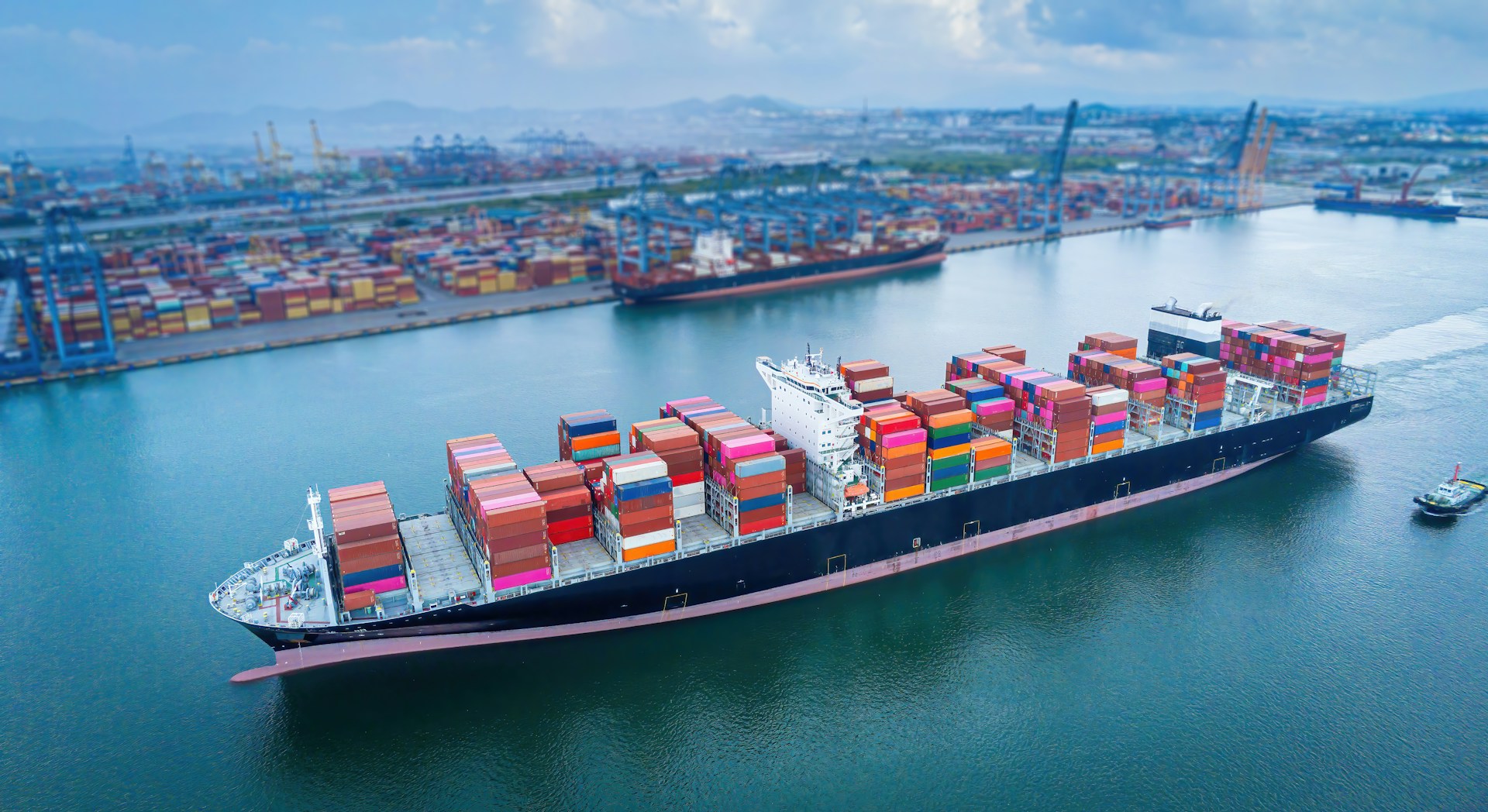
US President Donald Trump and Chinese President Xi Jinping are considering tariff reductions and a new managed trade framework as both countries attempt to stabilise economic relations amid growing pressure on global markets. Discussions ahead of their Beijing summit have focused on cutting tariffs tied to roughly $30 billion in imports, signalling a possible shift in the direction of US-China trade policy.
The negotiations come at a critical time for the global economy. Rising energy prices, geopolitical instability and weaker manufacturing activity have placed additional strain on supply chains and international trade. Officials involved in the talks indicated that both governments are exploring selective tariff relief aimed at easing inflationary pressure, supporting industrial production and improving business confidence across key sectors.
A central aspect of the discussions involves a managed trade arrangement, under which China would increase purchases of selected American goods in exchange for reduced tariffs and fewer restrictions. The framework is expected to focus on strategic sectors such as energy, industrial manufacturing and technology, where trade tensions have disrupted investment and supply chain planning over recent years.
Financial markets are closely monitoring the outcome of the summit, as any reduction in tariffs could improve investor sentiment and lower operating costs for multinational companies. Businesses exposed to US-China trade have faced prolonged uncertainty due to tariffs, export controls and sanctions, which have increased production expenses and weakened cross-border investment activity.
Despite signs of possible cooperation, major disagreements remain unresolved, including disputes over technology restrictions, Taiwan and sanctions connected to Iran. The talks therefore represent an effort to manage economic competition rather than eliminate it entirely. However, even limited progress could help reduce pressure on global trade, support market stability and improve confidence within the broader international economy.