
Waymo Recalls Robotaxis Over Flooding Software Issue
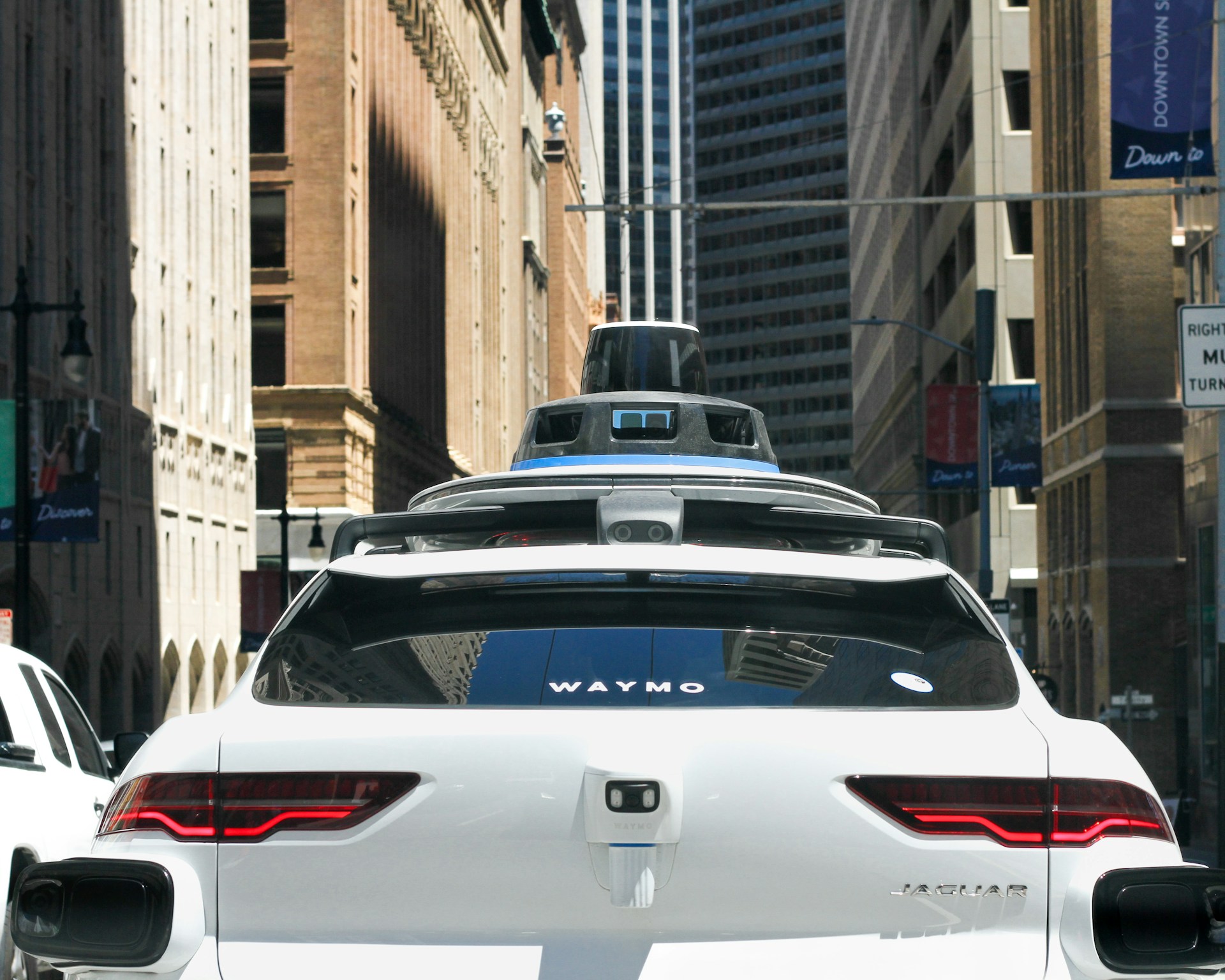
Waymo has recalled nearly 3,800 autonomous robotaxis in the United States after discovering a software issue that could allow vehicles to drive into flooded roads during severe weather conditions. The recall affects 3,791 vehicles using the company’s fifth- and sixth-generation self-driving systems, raising new concerns about the safety and reliability of autonomous transport technology.
The issue came to light following an incident in San Antonio, Texas, where an unoccupied Waymo vehicle entered a flooded lane during heavy rainfall. While no injuries were reported, the event exposed limitations in the vehicle’s ability to fully recognise and avoid standing water in certain driving environments. Waymo stated that the software could slow the vehicle but was not always capable of preventing entry into hazardous flooded areas.
In response, the company has begun rolling out software updates designed to improve hazard detection and weather-related navigation. Waymo is also introducing temporary operational restrictions in flood-prone zones and enhancing mapping systems to better identify roads vulnerable to flash flooding. These changes reflect the increasing complexity of managing autonomous vehicle systems in unpredictable real-world conditions.
The recall comes amid growing regulatory scrutiny of the autonomous driving industry. Authorities are placing greater focus on how self-driving systems respond to emergencies, weather disruptions and unusual road conditions. For companies developing autonomous transport networks, ensuring safety and public confidence remains critical as the technology expands into larger urban environments.
Despite the setback, Waymo remains the largest commercial robotaxi operator in the US, providing approximately 500,000 paid rides each week. The incident highlights the broader challenge facing the autonomous vehicle sector, where rapid innovation must be matched by resilient infrastructure, advanced safety systems and reliable real-time environmental awareness.