
SK Hynix Reaches Trillion Dollar Milestone
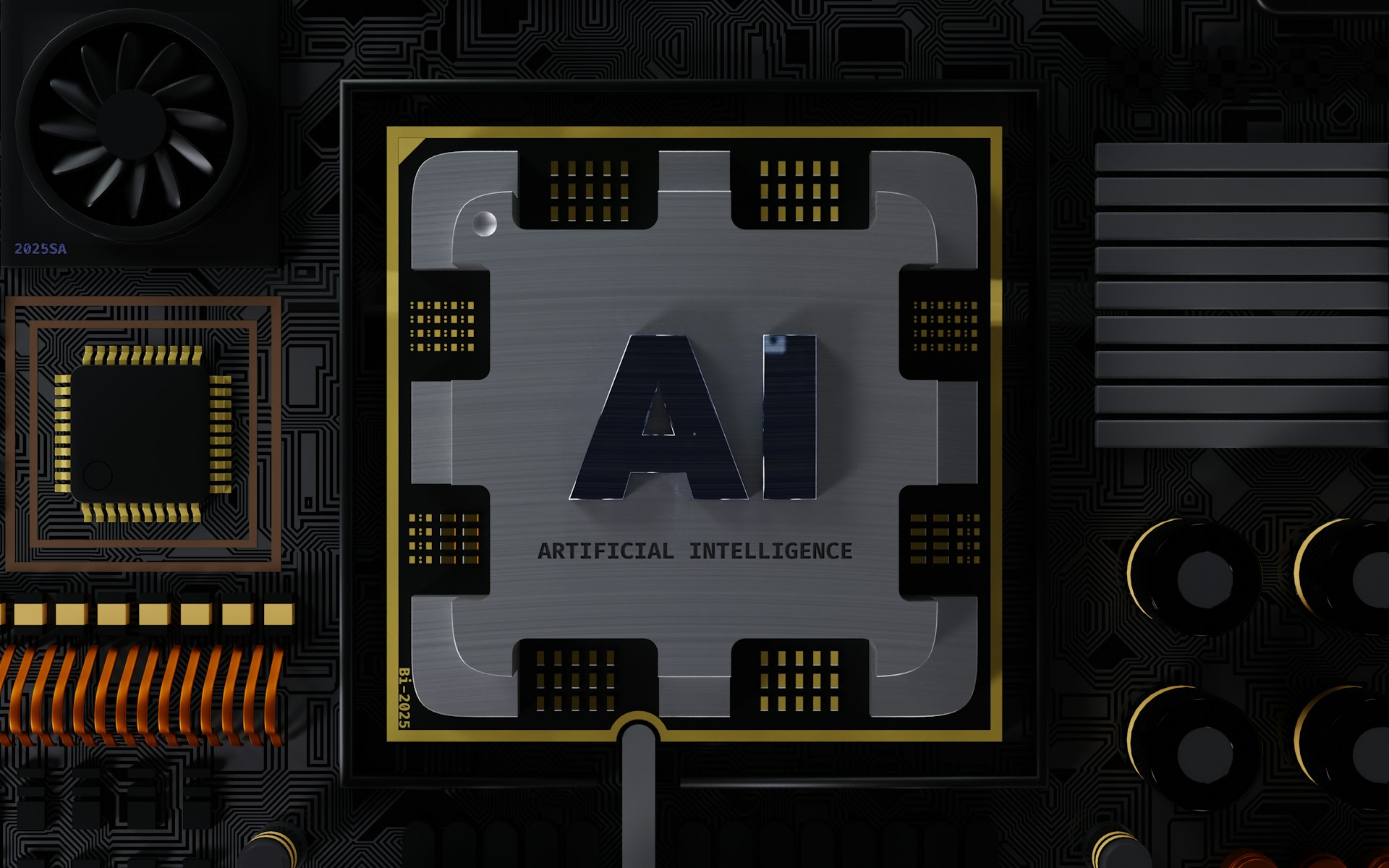
South Korean semiconductor manufacturer SK Hynix has entered the trillion-dollar valuation club, highlighting the growing influence of advanced memory technology within the global artificial intelligence ecosystem. The achievement reflects surging investor confidence in companies supplying the critical hardware required to support next-generation AI computing infrastructure.
The company’s rapid rise has been driven by strong demand for high-bandwidth memory chips, a specialised technology that has become essential for training and operating advanced artificial intelligence models. These memory solutions are widely used alongside AI accelerators and graphics processing units, enabling faster data transfer and improved computing performance for large-scale workloads.
As artificial intelligence adoption accelerates, memory architecture has become a crucial component of semiconductor innovation. While much investor attention has focused on AI processors, analysts note that advanced memory technologies are equally important in addressing the growing computational requirements of generative AI, machine learning and high-performance computing applications. SK Hynix has emerged as one of the leading suppliers in this segment, benefiting from increasing demand across data centres and cloud infrastructure platforms.
The milestone also highlights the strategic importance of South Korea within the global semiconductor industry. Together with Samsung Electronics, SK Hynix plays a central role in memory chip production, supplying technologies that underpin much of the world’s digital infrastructure. As demand for AI computing expands, memory manufacturers are becoming increasingly critical to the broader semiconductor value chain.
Industry experts believe the company’s valuation growth reflects a wider technology trend in which infrastructure providers are capturing significant value from artificial intelligence deployment. Investment is increasingly flowing towards businesses involved in semiconductor fabrication, advanced packaging, data centre architecture and specialised computing hardware.
Despite strong momentum, challenges remain, including supply chain constraints, technological competition and the need for continued innovation as AI systems become more complex. However, analysts expect demand for advanced memory products to remain robust as enterprises and governments continue investing heavily in artificial intelligence capabilities.
SK Hynix’s rise underscores how the AI revolution is extending beyond processors alone, creating new opportunities across the broader semiconductor ecosystem and reinforcing the sector’s role at the centre of global technological innovation.