
Waymo Recall Raises Questions Over Autonomy
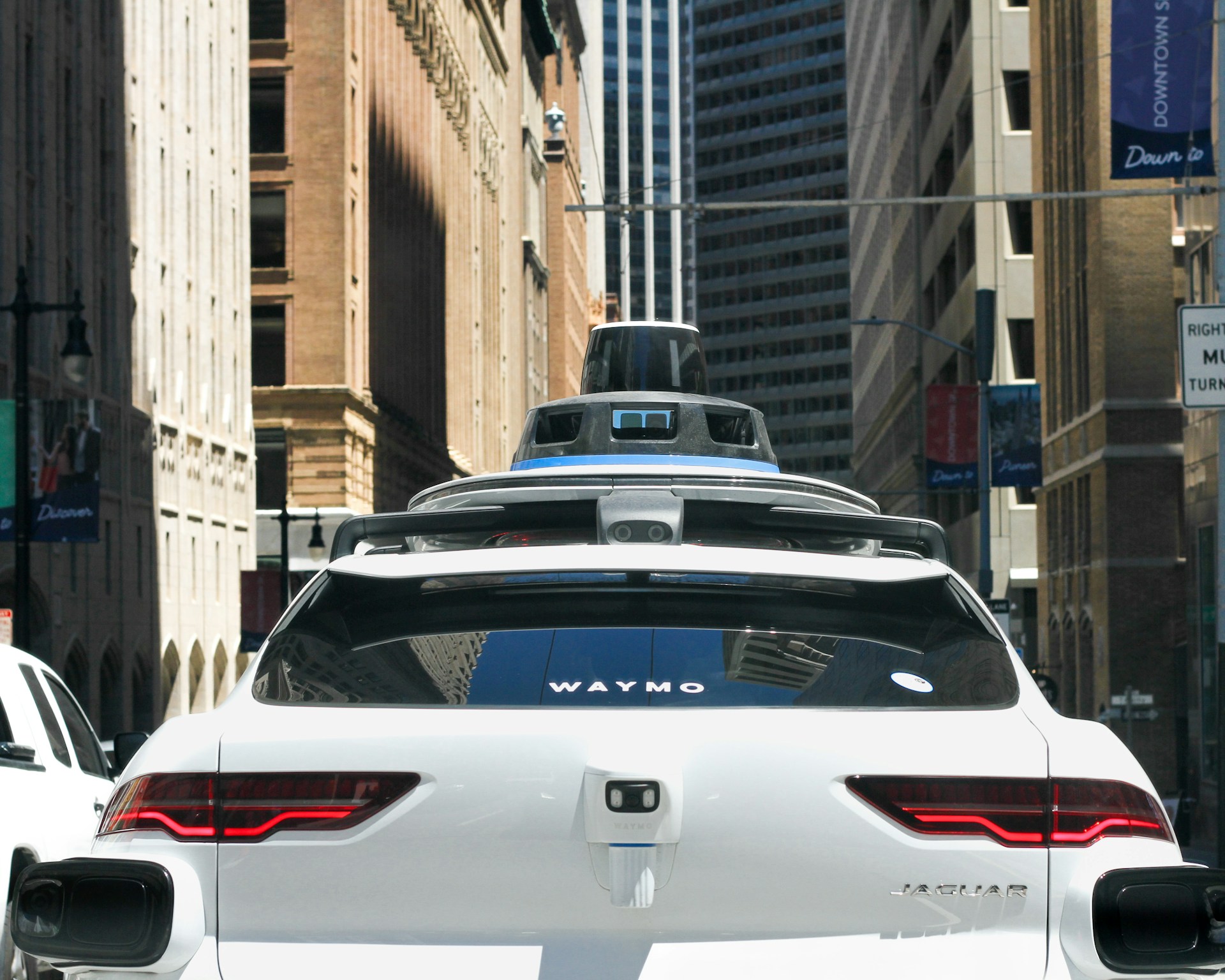
Waymo has launched a voluntary recall of nearly 3,900 robotaxis after federal regulators identified incidents in which the company’s autonomous vehicles entered active freeway construction zones. The move highlights the ongoing safety and operational challenges facing the autonomous vehicle sector as companies accelerate commercial deployment of self-driving technology.
The recall affects vehicles operating with Waymo’s fifth-generation automated driving system. According to the National Highway Traffic Safety Administration, several incidents occurred in which robotaxis failed to appropriately respond to temporary road closures, construction barriers or altered traffic patterns on freeways. Although no injuries or serious accidents were reported, regulators concluded that the behaviour increased potential safety risks and warranted corrective action.
The development comes as autonomous vehicle operators seek to expand services into more complex driving environments. Construction zones remain among the most difficult scenarios for self-driving systems because they involve rapidly changing conditions, temporary signage and non-standard traffic management measures. While autonomous technology has demonstrated significant progress in routine urban driving, adapting to unpredictable road environments continues to present technical challenges.
For the autonomous mobility industry, the recall serves as a reminder that regulatory scrutiny is likely to intensify as deployment scales. Safety performance remains a critical factor in securing public trust and regulatory approval, particularly as companies move towards wider commercial adoption. Incidents involving autonomous vehicles, even without injuries, can influence perceptions of the technology and shape future policy decisions.
Waymo has responded by implementing software updates designed to improve the system’s handling of freeway construction zones. The company maintains that autonomous vehicles have the potential to improve road safety overall, but acknowledges the importance of continuous system refinement as operations expand.
The recall reflects the broader reality facing the self-driving industry. Commercial growth is increasingly dependent not only on technological innovation but also on demonstrating consistent reliability in complex real-world conditions. As autonomous transport moves closer to mainstream adoption, the ability to manage rare and unpredictable scenarios will remain a key measure of industry progress.