
US Grid Reforms Boost AI Infrastructure
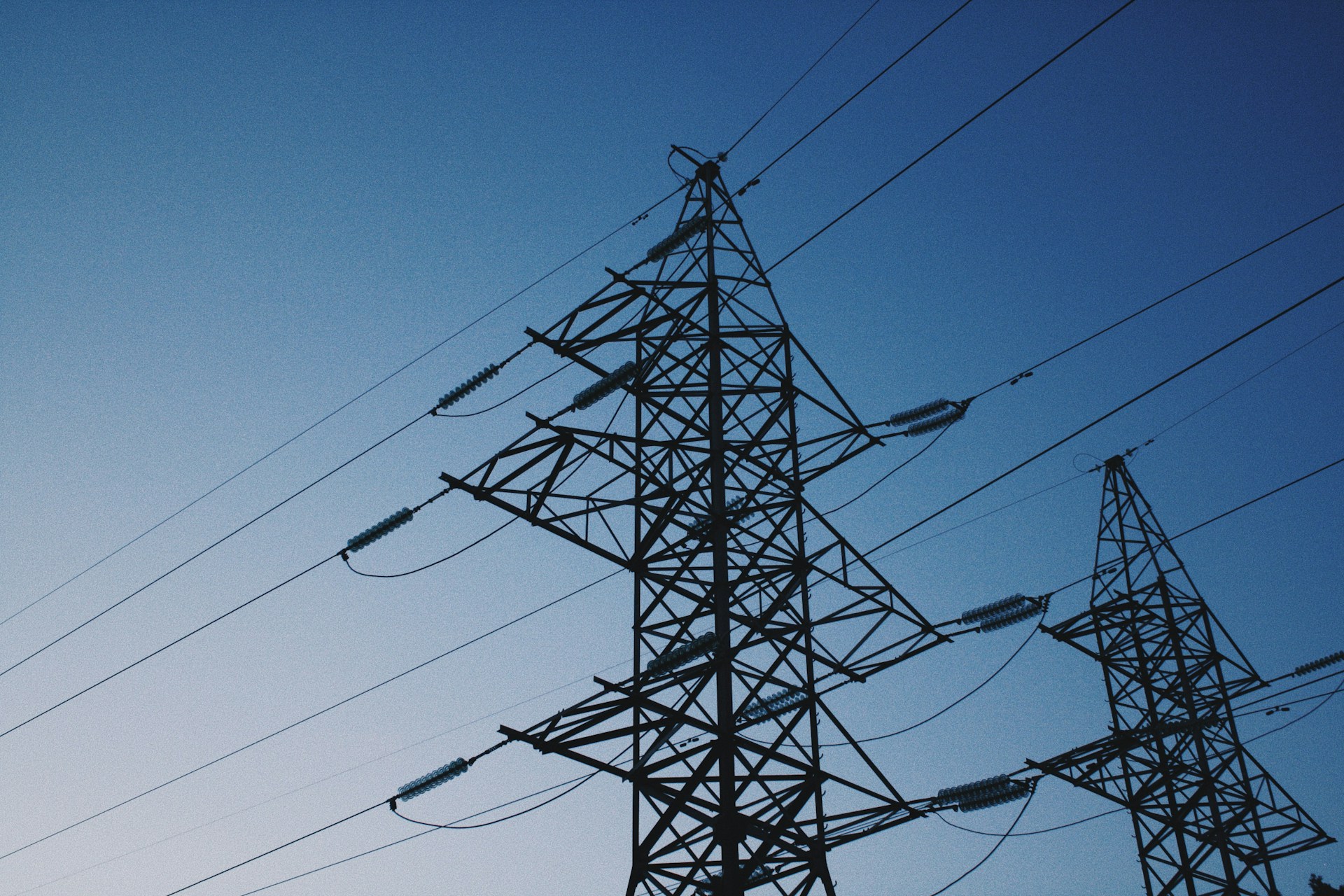
The United States is moving to accelerate the development of AI infrastructure after federal regulators directed major electricity grid operators to reassess how large power users connect to the network. The decision is designed to address mounting concerns that lengthy grid connection processes could slow investment in new data centres, which are becoming critical assets in the global race to expand artificial intelligence capabilities.
The Federal Energy Regulatory Commission has instructed regional transmission organisations to review existing interconnection rules and identify ways to accommodate the growing electricity requirements of hyperscale data centres. Demand for power from AI facilities has risen sharply as technology companies invest heavily in advanced computing capacity, creating pressure on infrastructure that was originally built to serve more predictable industrial and residential needs.
For the infrastructure sector, the move highlights the increasing convergence of digital and energy networks. Data centres are now among the largest sources of new electricity demand in the United States, prompting utilities, transmission operators and private investors to explore significant upgrades to generation and grid capacity. Faster access to power could shorten project timelines, improve investment certainty and support the construction of facilities that underpin AI development.
The regulatory push also reflects broader concerns about maintaining America’s competitiveness in artificial intelligence. Delays in grid access have emerged as a significant bottleneck for developers, with some projects facing years-long waits before securing sufficient electricity supply. By encouraging more efficient connection processes, policymakers aim to unlock infrastructure investment while ensuring reliability standards remain intact.
However, the challenge extends beyond regulatory reform. Meeting future demand will require substantial spending on transmission networks, power generation and energy storage systems. Industry participants must also balance rapid expansion with concerns around electricity costs and grid resilience.
The latest action signals that energy infrastructure is becoming a strategic component of AI policy. As digital demand continues to rise, the ability to deliver power quickly and reliably may prove just as important as advances in computing technology itself.