
Samsung exits China electronics sales amid losses
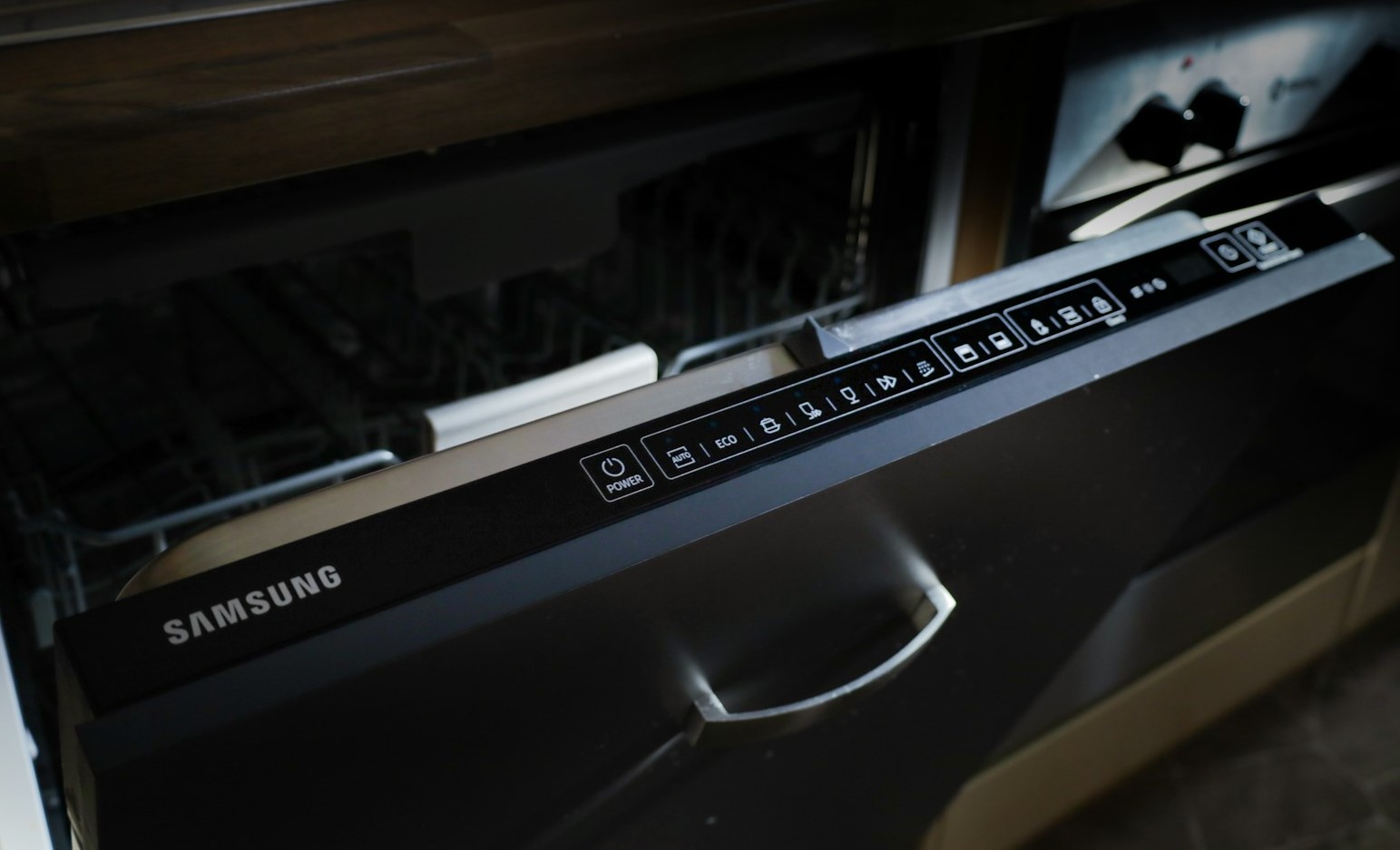
Samsung Electronics is preparing to withdraw its home appliances and television sales business from China in 2026, a move that reflects sustained financial pressure and weakening market share in the region. For investors, the decision underscores a clear shift towards efficiency and margin protection over volume-driven growth.
China’s consumer electronics market, valued at over $150 billion annually, has become increasingly dominated by domestic manufacturers. Samsung’s market share in televisions has fallen to low single digits in recent years, compared with double-digit levels a decade ago. In home appliances, the company has struggled to maintain pricing power, as local competitors offer comparable products at discounts often exceeding 20 to 30 per cent.
The planned exit will involve a phased wind-down of sales operations, including inventory clearance and restructuring of distribution channels. While exact financial impacts have not been disclosed, analysts estimate that China contributes less than 5 per cent of Samsung’s consumer electronics revenue, limiting the overall earnings hit. However, operating margins in the region have reportedly been significantly below the company’s global average, reinforcing the rationale for withdrawal.
From an investment perspective, the move aligns with Samsung’s broader strategy of improving profitability. The company’s consumer electronics division has faced margin compression, with operating margins fluctuating in the mid single digits, compared with higher returns in its semiconductor business. By exiting a low-margin market, Samsung may enhance overall group margins and capital allocation efficiency.
Despite the withdrawal from sales, Samsung will retain manufacturing operations in China, particularly for appliances such as refrigerators and washing machines. These facilities will be redirected towards export markets, preserving cost advantages tied to China’s established supply chains. This separation between production and sales exposure is increasingly relevant for global investors assessing geographic risk and resilience.
The decision also reflects a broader industry pattern. Foreign brands have seen steady declines in China as local players scale rapidly, supported by domestic demand and innovation cycles. For Samsung, the exit reduces exposure to a highly competitive market, while enabling a sharper focus on premium segments and regions where pricing strength remains intact.