
Belfast Harbour Targets Long-Term Infrastructure Growth
Belfast Harbour has announced a £1.3 billion long-term investment strategy aimed at expanding trade capacity, modernising transport infrastructure and supporting Northern Ireland’s economic growth over the next 25 years. The programme represents one of the region’s largest privately funded infrastructure commitments and highlights growing confidence in Belfast’s strategic importance within UK and Irish supply chains.
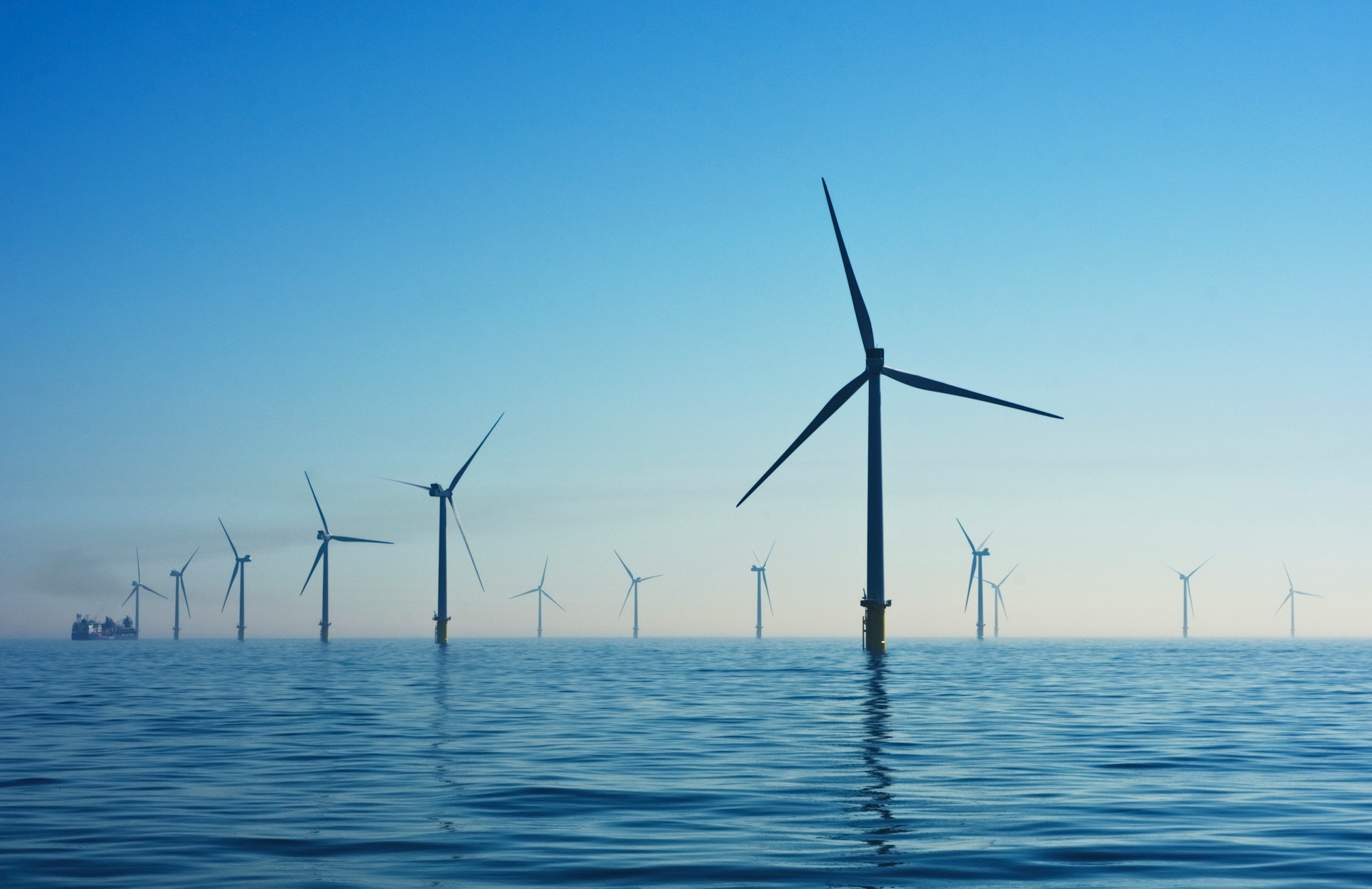
The investment will focus on upgrading cargo facilities, ferry terminals and renewable energy infrastructure while increasing capacity for container traffic and cruise tourism. Planned developments include new deep-water quays, expanded logistics areas and shore power systems designed to reduce emissions from docked cruise ships. Harbour authorities have already begun an initial £300 million phase tied partly to offshore wind infrastructure and maritime trade expansion.
Belfast Harbour handles most of Northern Ireland’s seaborne trade, making it a critical gateway for imports, exports and regional supply chains. The operator expects freight volumes to rise substantially over coming decades as businesses adapt to evolving UK-EU trading arrangements and increasing cross-border commercial activity along the Dublin-Belfast corridor. Analysts believe the port’s dual access to UK and European markets continues to strengthen Northern Ireland’s attractiveness for logistics and manufacturing investment.
The expansion also reflects wider infrastructure trends across Europe, where ports are increasingly investing in energy transition projects, automation and larger shipping capacity to remain competitive. Belfast Harbour aims to position itself as a regional hub for offshore wind development while supporting growing demand for sustainable maritime transport infrastructure.
Cruise tourism forms another key element of the strategy. Belfast has emerged as one of the UK’s busiest cruise destinations outside Southampton, driving visitor spending and supporting local hospitality businesses. Planned berth expansions and terminal upgrades are expected to accommodate larger vessels and rising passenger numbers in future years.
The programme underlines how transport infrastructure is becoming central to regional economic competitiveness as governments and private operators seek to strengthen trade resilience, energy security and long-term industrial growth.