
Lloyds Weighs Halifax Brand’s Eventual Disappearance
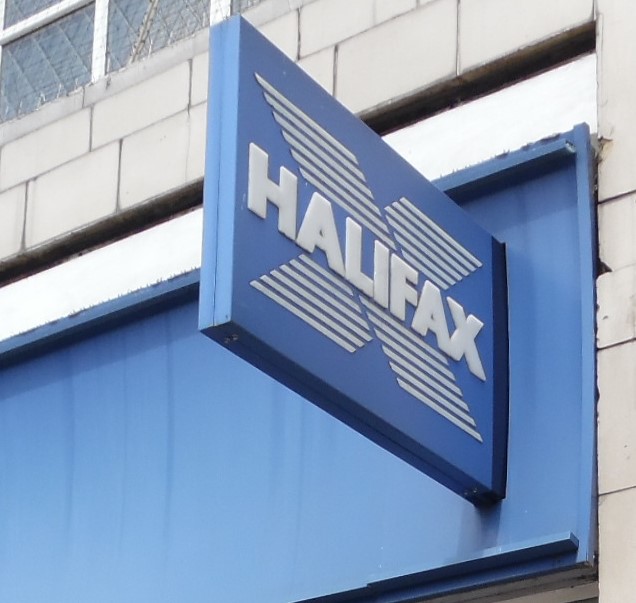
Lloyds Banking Group is considering retiring the Halifax brand from Britain’s high streets, signalling a major shift in the group’s long-term retail strategy. The move would mark the possible end of one of the UK’s most familiar banking names as lenders continue adapting to changing consumer habits and rising digital adoption.
The review forms part of a broader effort by Lloyds to simplify operations and strengthen its core banking identity. Under the proposals, Halifax branches and customer services could gradually be integrated into the Lloyds brand, while Bank of Scotland would continue operating separately in Scotland. Although no final decision has been announced, the group is expected to provide further details during its upcoming strategic update later this year.
The potential disappearance of Halifax reflects wider pressures across the British banking sector. Traditional banks have continued reducing physical branch networks as more customers shift towards online and mobile banking services. Lloyds, Santander and Barclays have all accelerated closures in recent years, arguing that declining footfall and increasing operating costs make large branch networks less sustainable. Consumer groups, however, continue warning that closures risk excluding older and vulnerable customers who still depend on in-person services.
Halifax remains a historically significant name within British finance. Founded in West Yorkshire as a building society during the nineteenth century, it expanded into one of the country’s largest mortgage and retail banking providers before merging with Bank of Scotland to form HBOS in 2001. Following the 2008 financial crisis, HBOS was acquired by Lloyds in a government-backed rescue deal.
If Lloyds proceeds with the rebrand, the decision would underline the continued transformation of Britain’s banking landscape, where operational efficiency and digital scale increasingly outweigh the value of longstanding high street identities.