
Ferrari Launches First Fully Electric Supercar
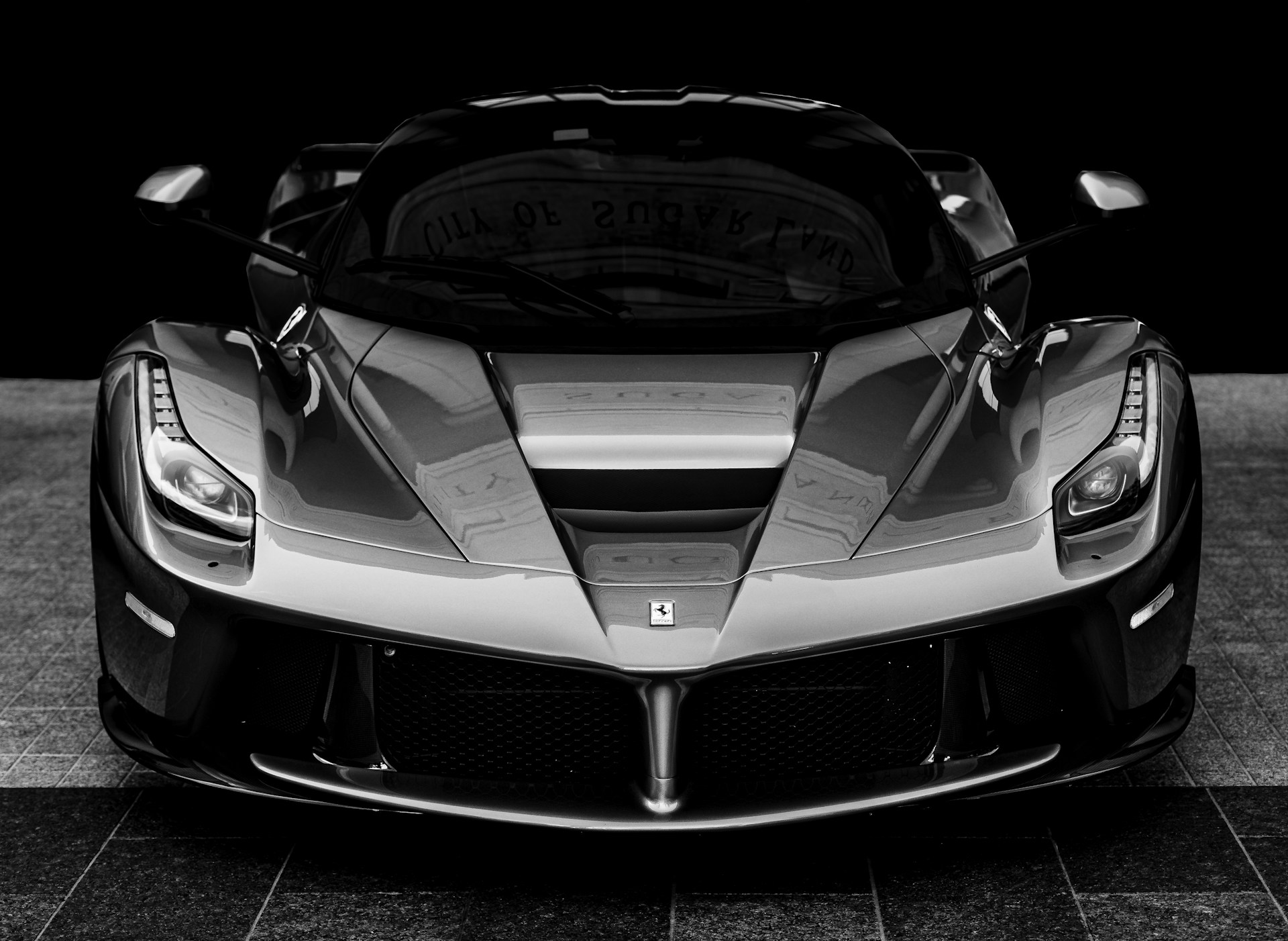
Ferrari has officially unveiled its first fully electric vehicle, marking a significant technological shift for one of the world’s most recognised performance automotive brands. The new model, called Luce, represents Ferrari’s entry into the high-performance electric vehicle market as the industry accelerates towards software-driven mobility and advanced electrification.
The company introduced the vehicle at its Maranello headquarters, highlighting a proprietary electric architecture developed internally to preserve Ferrari’s traditional performance identity. Unlike conventional combustion-engine models, the Luce relies on advanced battery systems, integrated power electronics and precision software controls to deliver acceleration, handling and energy efficiency expected from a modern electric supercar.
Ferrari said the vehicle was designed to balance performance engineering with digital intelligence, reflecting how automotive innovation is increasingly centred on software integration and power management systems. The company has reportedly focused heavily on thermal efficiency, battery optimisation and weight distribution, areas considered critical in high-performance electric vehicle development.
The launch signals Ferrari’s broader technological transition as global regulators tighten emissions standards and luxury consumers increasingly embrace electrified mobility. While several mainstream manufacturers have aggressively expanded electric production, Ferrari faces a more complex challenge, maintaining exclusivity, driving engagement and brand heritage while adopting next-generation propulsion systems.
To support the transition, Ferrari has invested in dedicated electric manufacturing infrastructure, including its new e-building production facility in Italy. The site is expected to support future electric and hybrid programmes alongside advanced research into battery performance and vehicle software technologies.
Industry analysts believe Ferrari’s electric strategy could influence the wider luxury performance market, particularly as competition intensifies between established automotive manufacturers and emerging technology-focused electric vehicle companies. Investors are also closely watching whether Ferrari can maintain its strong profit margins while absorbing the high development costs associated with electrification and digital vehicle engineering.
Despite ongoing questions surrounding battery weight, charging infrastructure and long-term consumer adoption, the Luce demonstrates how even the most heritage-driven automotive companies are embracing the technological future of mobility.