
Canada approves major gas pipeline expansion
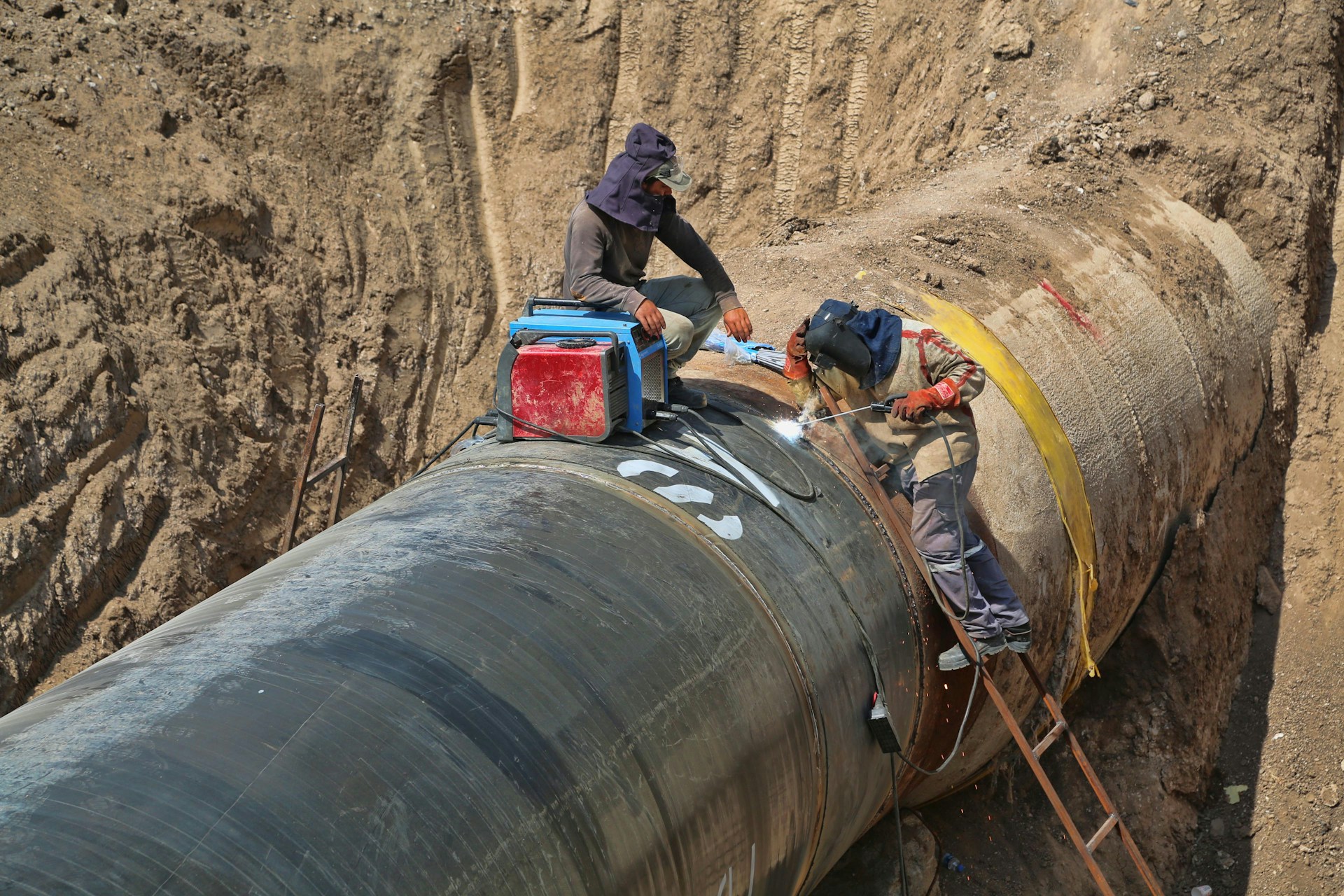
Canada has approved a major natural gas infrastructure project in British Columbia, signalling renewed momentum in large-scale energy development and export capacity expansion. The decision reflects a strategic effort to strengthen the country’s position in global energy markets while supporting domestic supply.
The project, led by Enbridge, involves an investment of approximately C$4 billion to expand the existing Westcoast pipeline system. It is expected to add around 300 million cubic feet per day of capacity, enabling increased transportation of natural gas across the region. Construction is scheduled to begin in mid-2026, with completion targeted for 2028, highlighting a structured, medium-term delivery timeline for critical infrastructure.
Development will focus on pipeline looping, adding roughly 137 kilometres of new pipe alongside the existing network, as well as upgrading compression facilities. This method allows capacity expansion without the need for entirely new routes, reducing environmental disruption and accelerating regulatory approvals. It also reflects a growing industry preference for optimising existing assets rather than pursuing greenfield projects.
The expanded capacity is expected to support a range of end uses, including residential heating, electricity generation and industrial demand. It will also enhance supply to liquefied natural gas export terminals on Canada’s west coast, aligning with efforts to diversify export markets towards Asia. This shift is particularly significant as global energy flows continue to adjust in response to geopolitical and economic changes.
From an economic standpoint, the project is projected to contribute over $3 billion to Canada’s GDP and generate more than $700 million in tax revenues. It is also expected to create approximately 2,500 jobs during peak construction, providing a boost to regional economies and supply chains linked to the energy sector.
The approval indicates a more supportive regulatory environment for infrastructure investment, with a focus on balancing economic growth and environmental oversight. It suggests that Canada is seeking to accelerate project delivery while maintaining compliance standards.
In the longer term, the expansion strengthens Canada’s energy infrastructure base, improves export flexibility and reinforces its role as a stable supplier in an increasingly competitive global market.