
Yen Stability Tested As Economic Pressures Mount
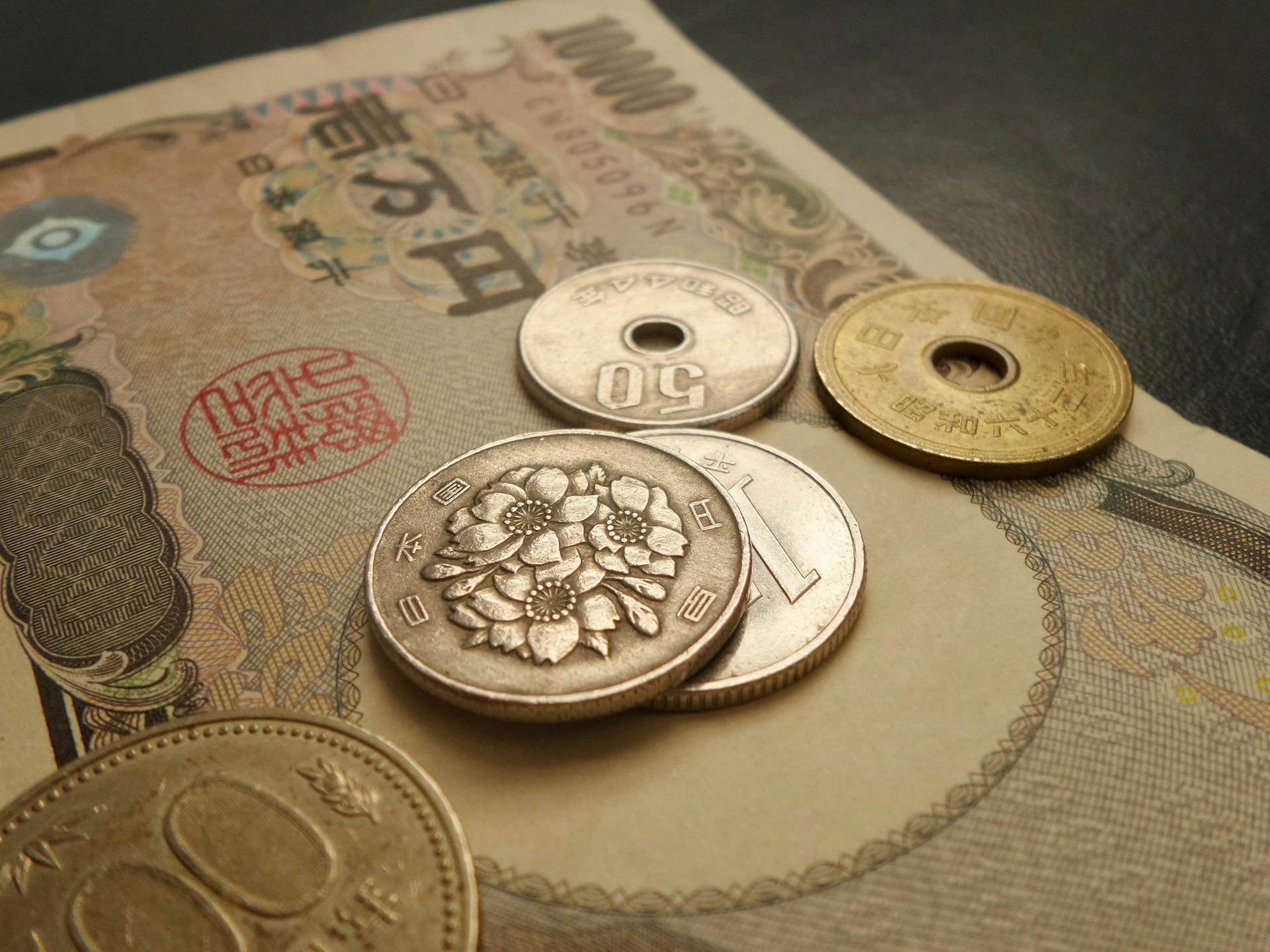
The Japanese yen remained steady as markets assessed the risk of further intervention, with subdued trading during Japan’s holiday period masking underlying economic concerns. Despite short-term stability, the currency continues to reflect deeper structural pressures linked to global monetary conditions and domestic policy constraints.
A key driver of the yen’s weakness is the widening interest rate gap between Japan and the United States. While the US maintains elevated rates to control inflation, Japan has kept its monetary policy accommodative to support growth. This divergence has reduced demand for the yen, encouraging capital outflows and weakening the currency, which in turn raises the cost of imports and adds strain to the domestic economy.
Authorities are widely believed to have intervened in currency markets to stabilise the yen after recent sharp declines. Although no formal confirmation has been issued, the scale of market movements suggests that significant reserves may have been deployed. Such actions highlight growing concerns over volatility, as rapid currency swings can disrupt trade balances and business planning across key sectors of the economy.
Rising global energy prices are compounding these challenges. As a major importer of oil and gas, Japan is particularly exposed to higher fuel costs, which feed directly into inflation and reduce household purchasing power. The combination of a weaker currency and elevated commodity prices intensifies cost pressures for businesses and consumers, potentially slowing economic momentum.
Looking forward, the outlook for the yen remains uncertain without a shift in underlying economic policy. Continued divergence in interest rates and persistent global inflationary pressures suggest that currency weakness could remain a feature of the economic landscape. For policymakers, balancing growth, inflation and currency stability will be critical to sustaining confidence and supporting long-term economic resilience.