
UK boosts road maintenance infrastructure investment
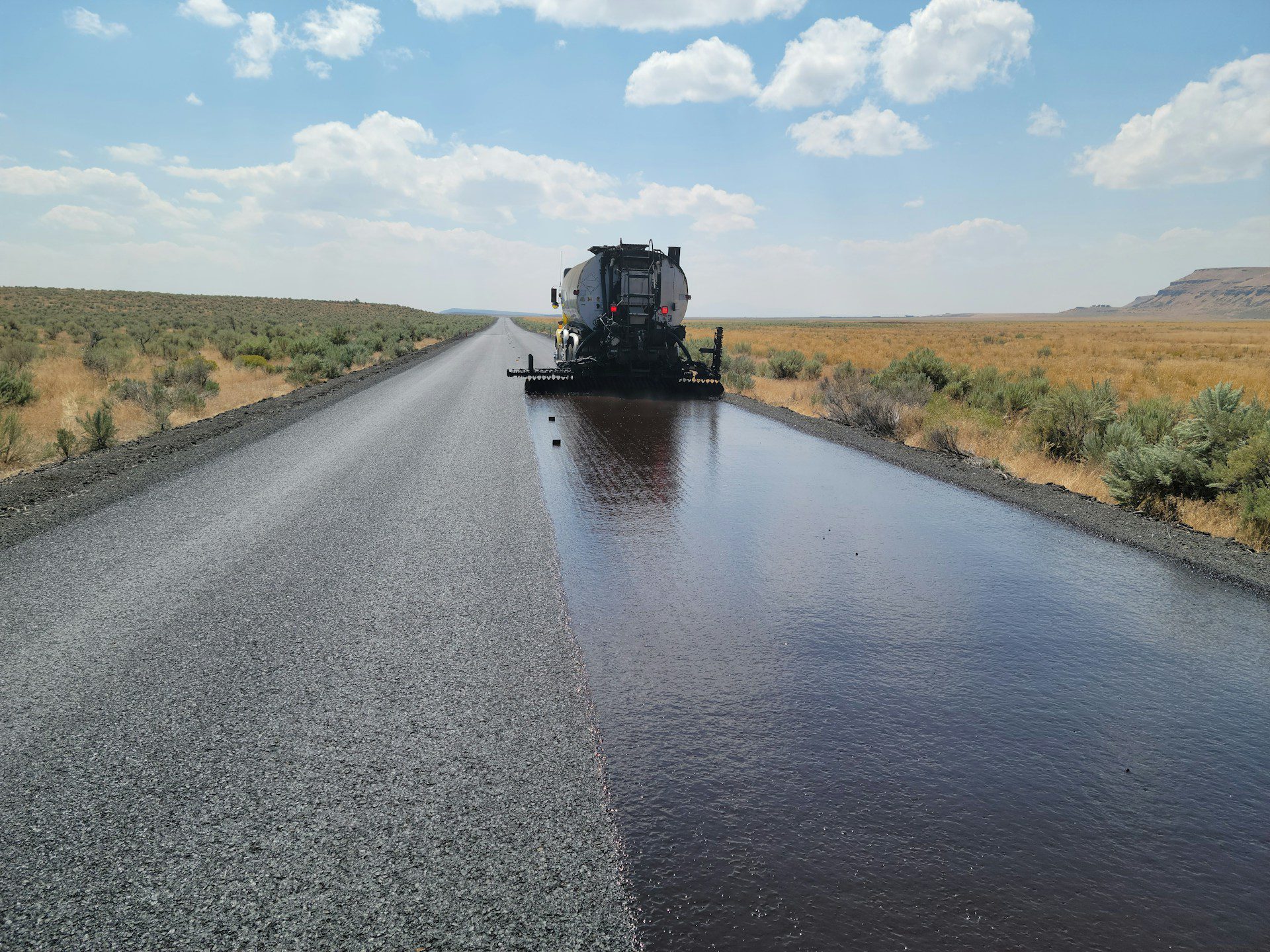
The UK government has committed record funding to road maintenance, signalling a strategic shift towards preserving and optimising existing transport infrastructure as demand for network resilience and efficiency increases. The initiative reflects a growing focus on asset performance within national infrastructure planning.
Under the latest Road Investment Strategy, £27bn has been allocated over five years, with £8.4bn directed towards maintaining motorways and major A-roads. The programme aims to resurface a significant portion of the strategic road network, addressing deterioration and extending asset life cycles. This approach prioritises infrastructure reliability and operational continuity across key transport corridors.
In parallel, £7.3bn has been earmarked for local road networks, targeting surface repairs, structural improvements and enhanced durability. This investment supports last-mile connectivity and strengthens integration between national and regional infrastructure systems. By improving local road conditions, the programme aims to enhance network efficiency and reduce pressure on primary routes.
The strategy reflects a broader infrastructure trend towards maintenance-led delivery models. Rather than focusing solely on expansion, policymakers are prioritising lifecycle management, ensuring existing assets operate efficiently and sustainably. This shift is particularly relevant in mature infrastructure systems, where performance optimisation can deliver faster and more cost-effective outcomes than large-scale new builds.
Targeted expansion projects, including major crossings and congestion relief schemes, remain part of the programme. These are intended to complement maintenance efforts by addressing capacity constraints in high-demand areas. However, the primary emphasis remains on enhancing the functionality and resilience of current infrastructure assets.
The investment also highlights the importance of infrastructure quality in supporting broader system performance. Well-maintained road networks improve traffic flow, reduce maintenance backlogs and enhance safety, contributing to more predictable and reliable transport systems.
The programme signals a structural evolution in UK infrastructure strategy, where maintenance, resilience and network optimisation are becoming central to long-term planning. As funding shifts towards sustaining existing assets, the focus is increasingly on delivering durable, efficient and scalable infrastructure systems.