
TSMC Divestment Signals Semiconductor Investment Shift
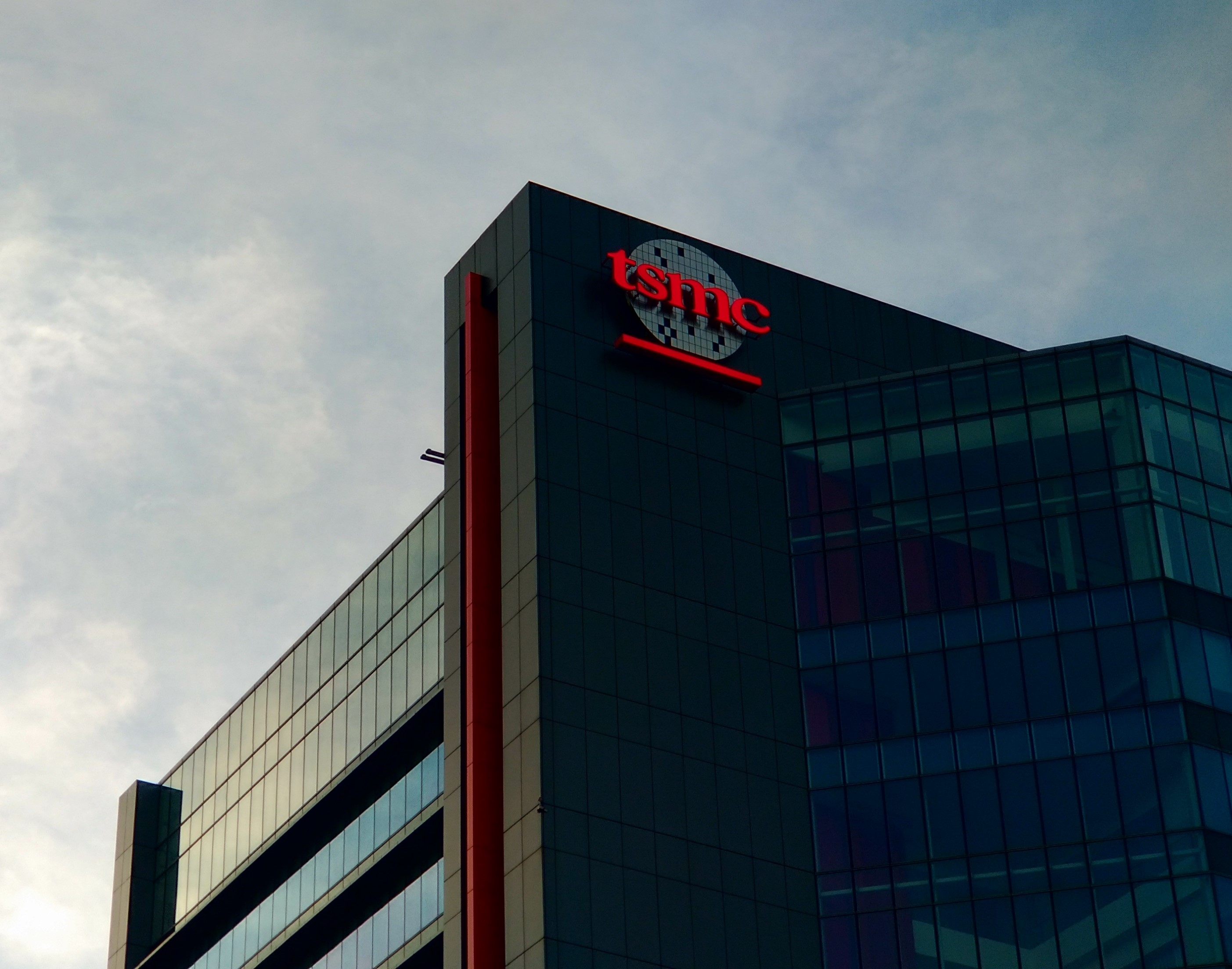
Taiwan Semiconductor Manufacturing Company is selling its US$850 million stake in Vanguard International Semiconductor as the global chipmaker sharpens its investment focus on advanced manufacturing and artificial intelligence infrastructure. The move reflects broader capital reallocation across the semiconductor industry as companies prioritise high-growth areas linked to AI computing, cloud expansion and advanced chip production.
TSMC confirmed it would divest its entire holding in Vanguard through a block trade, marking a strategic shift away from mature-node semiconductor investments. Vanguard mainly produces chips used in automotive, industrial and consumer electronics applications, while TSMC increasingly concentrates on leading-edge semiconductors powering artificial intelligence systems and hyperscale computing infrastructure. Analysts believe the transaction will improve TSMC’s financial flexibility as advanced semiconductor manufacturing becomes increasingly capital intensive.
The divestment comes amid accelerating global investment in semiconductor infrastructure and AI-related computing capacity. Demand for advanced chips continues rising sharply as technology companies expand artificial intelligence capabilities and data centre operations. TSMC remains central to the global semiconductor supply chain because of its manufacturing partnerships with Nvidia, Apple and AMD. Investors are increasingly directing capital towards businesses positioned within advanced chip production, where higher margins and stronger long-term growth prospects continue attracting significant institutional investment.
The transaction also reflects wider geopolitical and industrial policy shifts reshaping semiconductor investment strategies worldwide. Governments across the United States, Japan and Europe are supporting domestic chip manufacturing expansion to reduce supply chain dependence on Asia and strengthen technology resilience. TSMC itself continues investing heavily in overseas fabrication facilities as geopolitical concerns surrounding Taiwan influence long-term industry planning and infrastructure allocation.
Despite the sale, mature-node semiconductor demand remains stable across automotive and industrial sectors. However, investor attention has increasingly shifted towards advanced manufacturing linked to artificial intelligence infrastructure, reinforcing the growing divide between legacy semiconductor operations and next-generation AI-focused chip production.