
Google Launches New AI Chips Rivalry
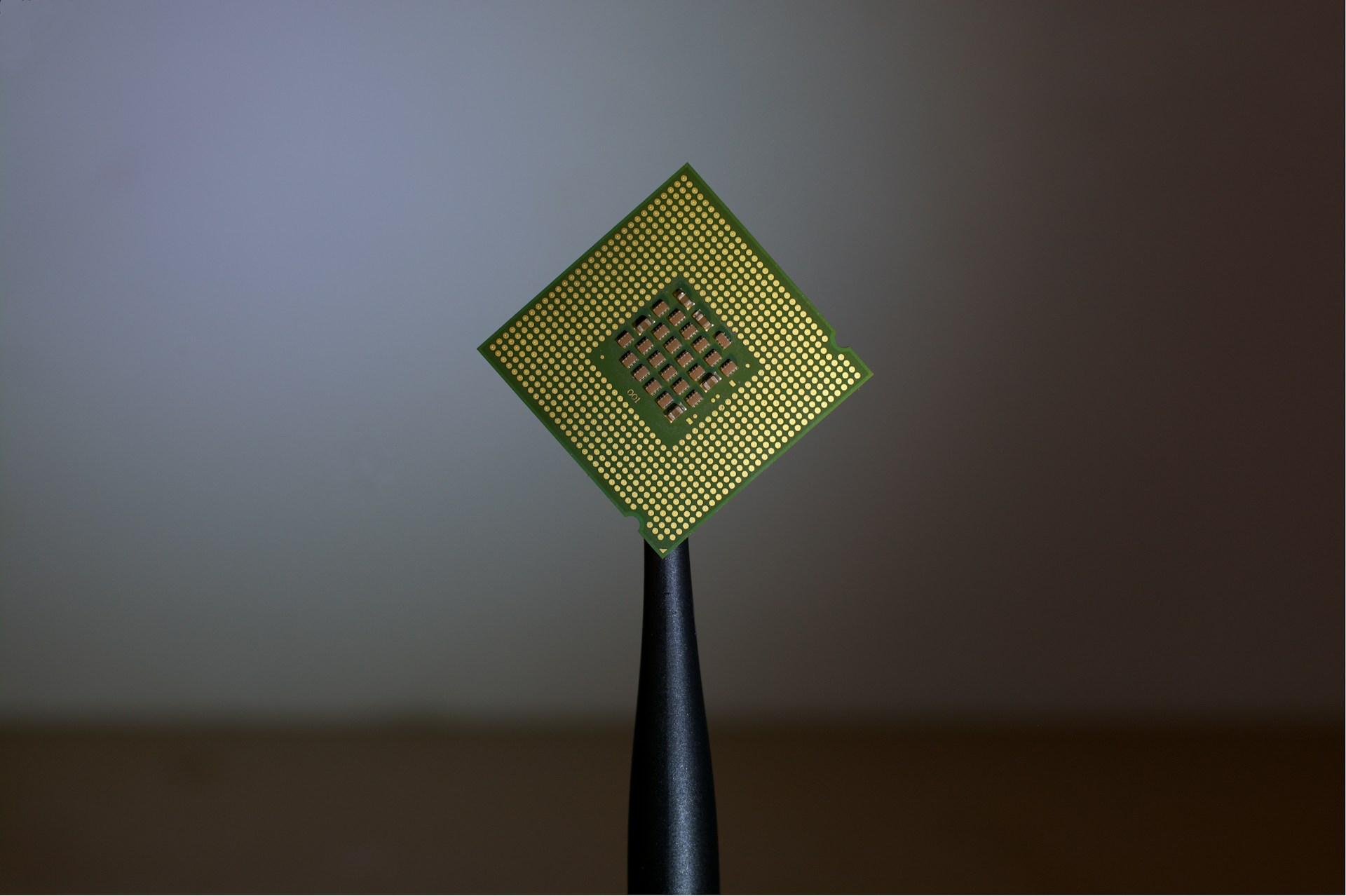
Google has escalated the contest in artificial intelligence hardware with the unveiling of two new chips, reinforcing its ambition to compete more directly with Nvidia in a market central to the future of computing. The move reflects a broader shift among major technology firms to assert control over the infrastructure underpinning AI systems.
The company introduced its latest tensor processing units, designed to handle both training and inference workloads with greater precision. One chip is optimised for training large AI models, delivering faster processing and improved cost efficiency, while the second focuses on inference, enabling real-time responses with reduced energy consumption. This distinction highlights the growing importance of inference as AI applications move beyond development into widespread deployment.
The strategy signals a deeper commitment to custom silicon, an area where Google has invested for more than a decade. By refining its in-house chips, the company aims to reduce reliance on external suppliers while strengthening the appeal of its cloud services. Integrating these processors into Google Cloud allows the firm to offer clients tailored performance and potentially lower operational costs, an increasingly important factor as enterprises scale AI adoption.
Competition in the sector is intensifying. Nvidia remains the dominant force, benefiting from early leadership and strong demand for its graphics processing units, yet rivals are accelerating their own efforts. Companies are now prioritising vertical integration, combining software, hardware, and cloud infrastructure to gain efficiency and maintain strategic independence. Google’s latest announcement reflects this shift, positioning its chips not only as internal tools but as viable alternatives within the broader market.
The development underscores a critical turning point in AI infrastructure. As demand for faster, more efficient processing grows, the balance of power may gradually evolve. Google’s latest chips illustrate how competition is no longer confined to software innovation alone, but increasingly defined by the ability to design and deploy specialised hardware at scale.