
DOJ Drops Powell Probe, Easing Fed Policy Risk
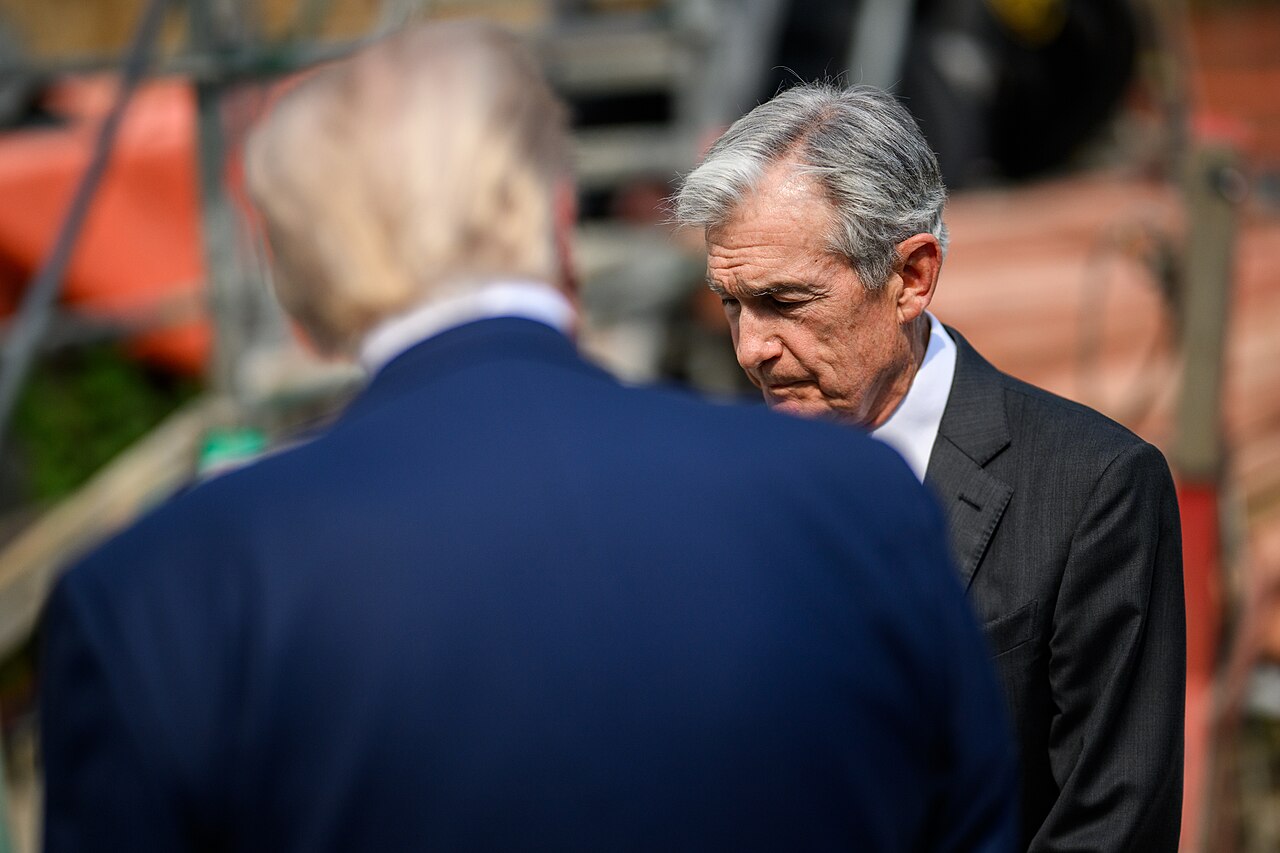
The U.S. Department of Justice has dropped its investigation into Federal Reserve Chair Jerome Powell, removing a key source of uncertainty around central bank leadership and policy direction. The probe, linked to disclosures surrounding a $2.5 billion Federal Reserve renovation project, will now be handled internally by the Fed’s inspector general rather than through criminal proceedings.
The resolution comes at a sensitive moment for monetary policy. Powell’s term is set to expire in May 2026, and the investigation had become a complicating factor in discussions around succession and broader policy continuity. Its closure reduces near-term institutional risk, allowing markets to refocus on interest rate expectations and macroeconomic fundamentals.
For investors, the significance lies less in the legal outcome and more in the restoration of policy clarity. The Federal Reserve remains central to global liquidity conditions, and any uncertainty surrounding its leadership can influence rate expectations, bond yields, and risk asset pricing. The removal of the probe reduces the probability of disruption at a time when inflation remains elevated and rate decisions are finely balanced.
The episode also highlights the sensitivity of central bank independence to political and legal pressures. Even the perception of external interference can introduce volatility into financial markets, particularly when policy direction is uncertain. With the investigation now resolved, attention is likely to shift back to the trajectory of monetary tightening and the timing of potential rate adjustments.
The development comes as markets continue to price in a complex rate environment, with expectations shifting between prolonged higher rates and a potential easing cycle. Stability at the leadership level is therefore critical in anchoring forward guidance and maintaining credibility.
What this ultimately underscores is the role of institutional certainty in capital allocation. When central bank leadership is stable, markets tend to reprice toward macro fundamentals; when it is in question, risk premiums widen. The removal of this overhang resets that balance, narrowing uncertainty and redirecting focus toward policy outcomes rather than governance risk.