
China Instructs Banks To Pause Loans To US-Sanctioned Refineries
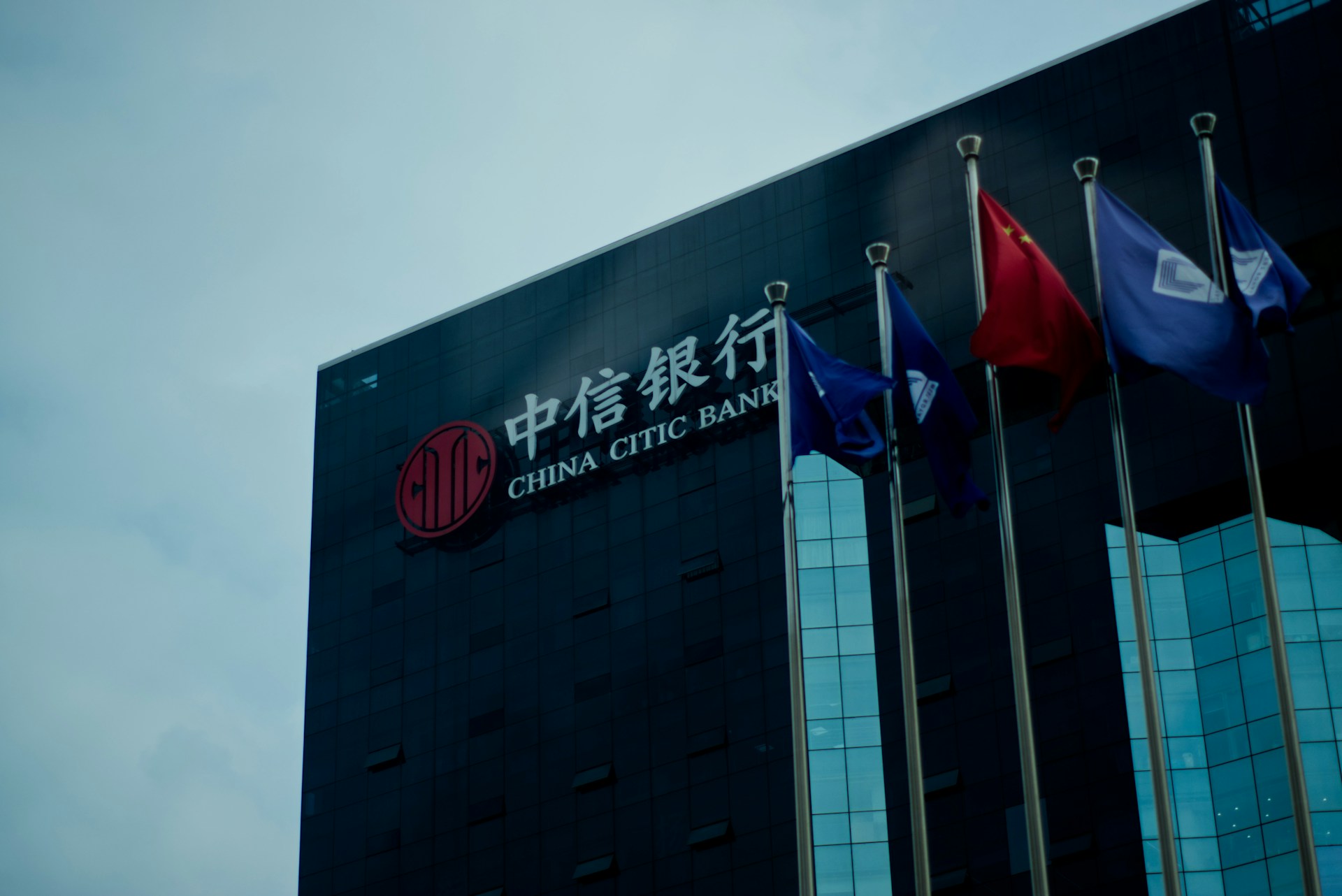
China’s financial regulators have directed the nation’s major banks to halt new loans to five oil refiners recently sanctioned by the United States over their dealings with Iranian crude. This move marks a significant escalation in the economic tensions between China and the US, with the National Financial Regulatory Administration (NFRA) advising banks to pause new yuan-denominated credit to affected companies, including top refiners like Hengli Petrochemical. The directive comes amid rising concerns over secondary sanctions that could target Chinese financial institutions facilitating transactions linked to Iranian oil.
The suspension of new loans does not require banks to call in existing debts, but it reflects growing caution among Chinese financial institutions, who may face penalties from US regulators if they continue to engage with the sanctioned companies. The US Treasury has already imposed sanctions on these refiners for violating sanctions related to Iranian oil trade, which has prompted Chinese officials to tread carefully in the face of potential financial retaliation. Despite this, China’s Ministry of Commerce has publicly urged domestic firms to disregard the US sanctions, invoking its anti-sanctions law to shield companies from foreign restrictions.
For China’s banking sector, the directive adds a layer of complexity to its operations, balancing domestic economic interests with international financial relationships. Banks operating globally are highly sensitive to US regulatory power, particularly as access to the dollar-based financial system is crucial for international transactions. As such, lenders are caught between adhering to domestic laws and the risks associated with violating US sanctions.
This pause on new loans could significantly impact the refiners’ ability to secure financing, constraining their operations and growth. With these refiners playing a key role in both the domestic oil market and the global supply of crude, reduced access to capital could have broader implications on energy supply chains and the allocation of financial resources within China’s energy sector. The move signals the increasing economic and financial decoupling between the US and China, potentially reshaping global trade dynamics and financial markets.