
World Liberty Gains Conditional Banking Approval
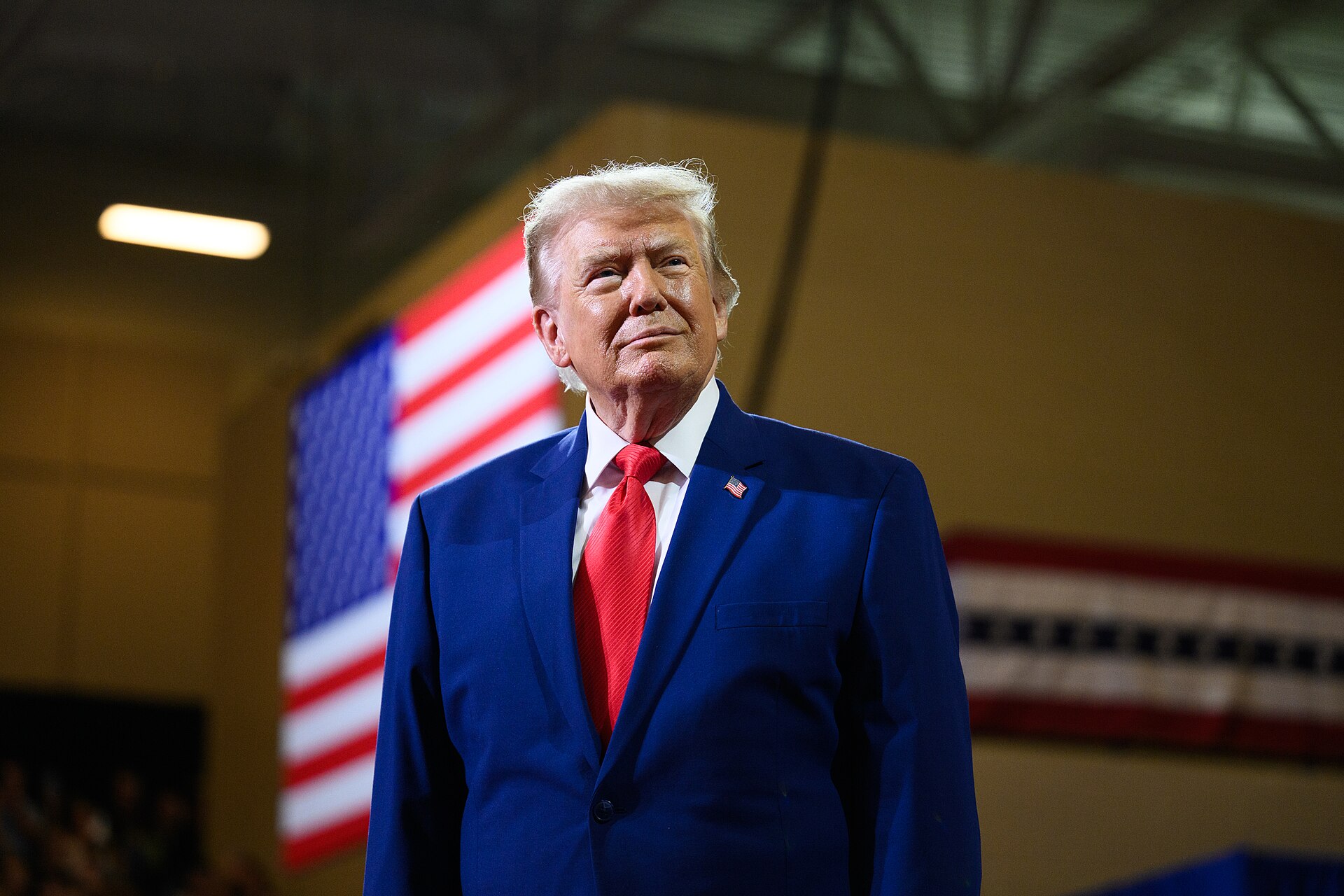
World Liberty Financial has taken a significant step towards establishing a regulated foothold in the US banking sector after its affiliated trust company received preliminary conditional approval for a national trust bank charter. The decision could strengthen the Trump family-linked cryptocurrency company’s control over the financial infrastructure underpinning its digital asset operations.
The Office of the Comptroller of the Currency granted the approval to World Liberty Trust Company, National Association. The proposed institution would operate as a national trust bank, focusing on digital asset custody and stablecoin services rather than traditional retail banking activities such as consumer deposits and lending.
A key function of the bank would centre on USD1, World Liberty Financial’s dollar-backed stablecoin. The trust company intends to manage the token’s issuance and redemption while overseeing the reserves supporting it. Operating these functions within a federally regulated structure could reduce dependence on third-party financial institutions and provide greater oversight of the stablecoin’s underlying infrastructure.
The development also reflects the increasing convergence between digital assets and established banking frameworks. As stablecoins gain wider institutional use, issuers require robust custody, reserve management and settlement capabilities. A federal banking charter could provide World Liberty with a more structured regulatory framework while supporting relationships with institutional counterparties.
The approval remains preliminary, meaning World Liberty must satisfy regulatory conditions before commencing operations. The company’s links to President Donald Trump’s family are also likely to maintain scrutiny around the regulatory process and potential conflicts of interest.
If final authorisation is granted, the charter could deepen World Liberty’s position within regulated digital finance. More broadly, the move illustrates how cryptocurrency businesses are increasingly seeking banking structures to control critical infrastructure as stablecoins become more closely integrated with mainstream financial services.