
Trump Spain Trade Threat Raises Economic Uncertainty
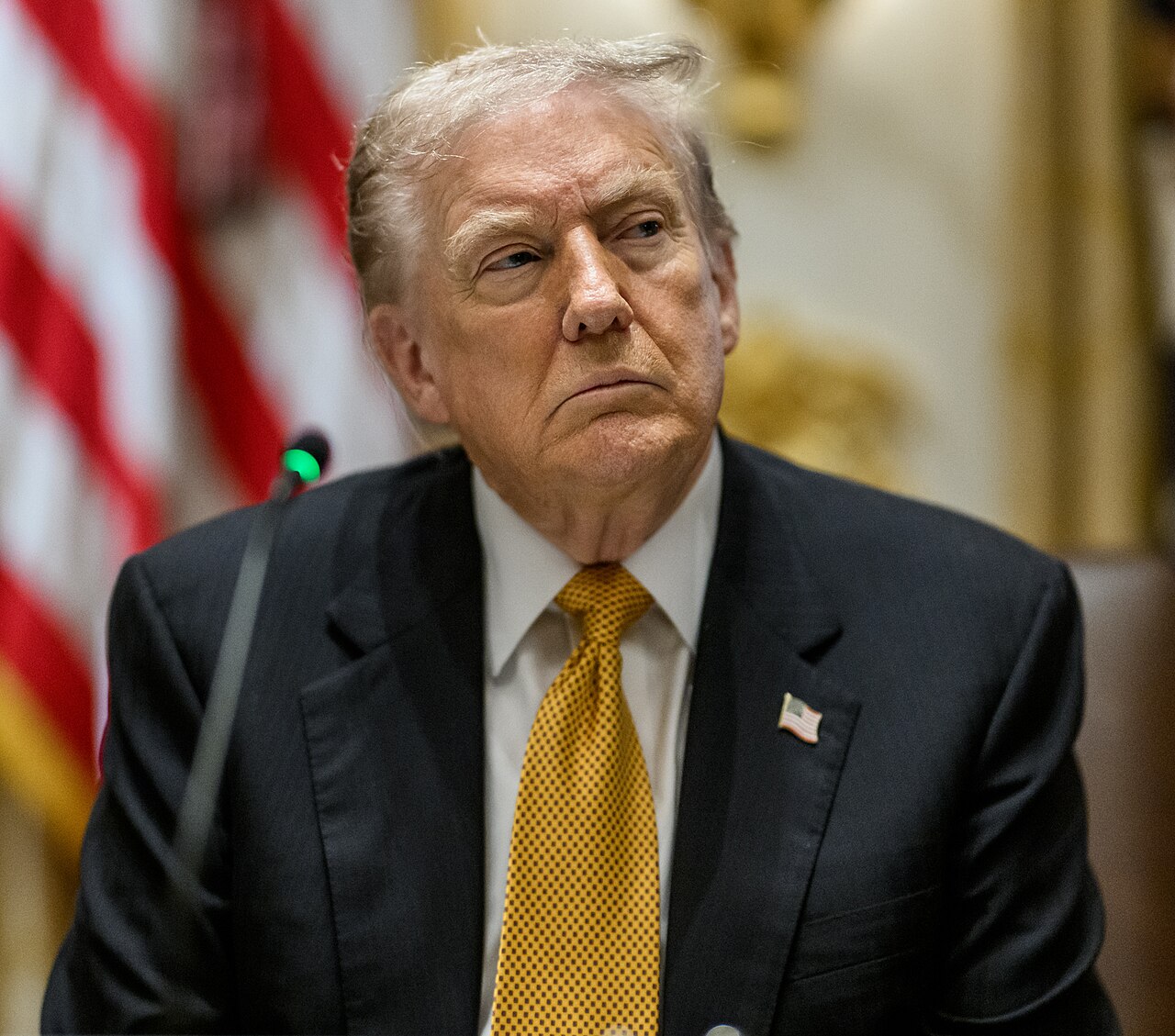
Donald Trump's threat to cut off trade with Spain has turned a NATO spending dispute into a wider economic risk for transatlantic commerce. The remarks, made during the alliance summit in Ankara, raise concerns over how quickly defence disagreements can spill into trade policy, business confidence and financial markets.
Trump criticised Spain for refusing to meet higher NATO defence spending targets and instructed Treasury Secretary Scott Bessent to pursue measures against the country. Spain has argued that it remains committed to the alliance, while rejecting spending demands it views as excessive. Madrid also has limited room to negotiate directly with Washington, as trade policy for Spain is handled through the European Union, not bilaterally.
From an economic perspective, the threat matters less for its immediate feasibility than for the uncertainty it creates. A full trade halt would face legal, diplomatic and practical barriers, but even the prospect of tariffs or restrictions can weigh on investor sentiment. Spanish banks and listed companies came under pressure after the comments, reflecting concern that political disputes could disrupt capital flows, export markets and corporate planning.
The episode also highlights the growing use of trade policy as leverage in security disputes. For Spain, the risk is that uncertainty affects foreign investment, tourism and export-dependent sectors, even if formal measures are never implemented. For the wider EU, the dispute reinforces the need to defend a common trade position while avoiding escalation with its largest strategic partner.
The broader economic lesson is clear. Trade relationships are increasingly exposed to geopolitical pressure, making policy risk a more important factor for investors and businesses. Whether Trump's threat becomes formal action or remains political signalling, it adds another layer of uncertainty to US-European economic relations at a time when companies are already managing higher defence costs, fragile supply chains and weaker global demand.