
Volkswagen, Xpeng Launch Joint EV Technology
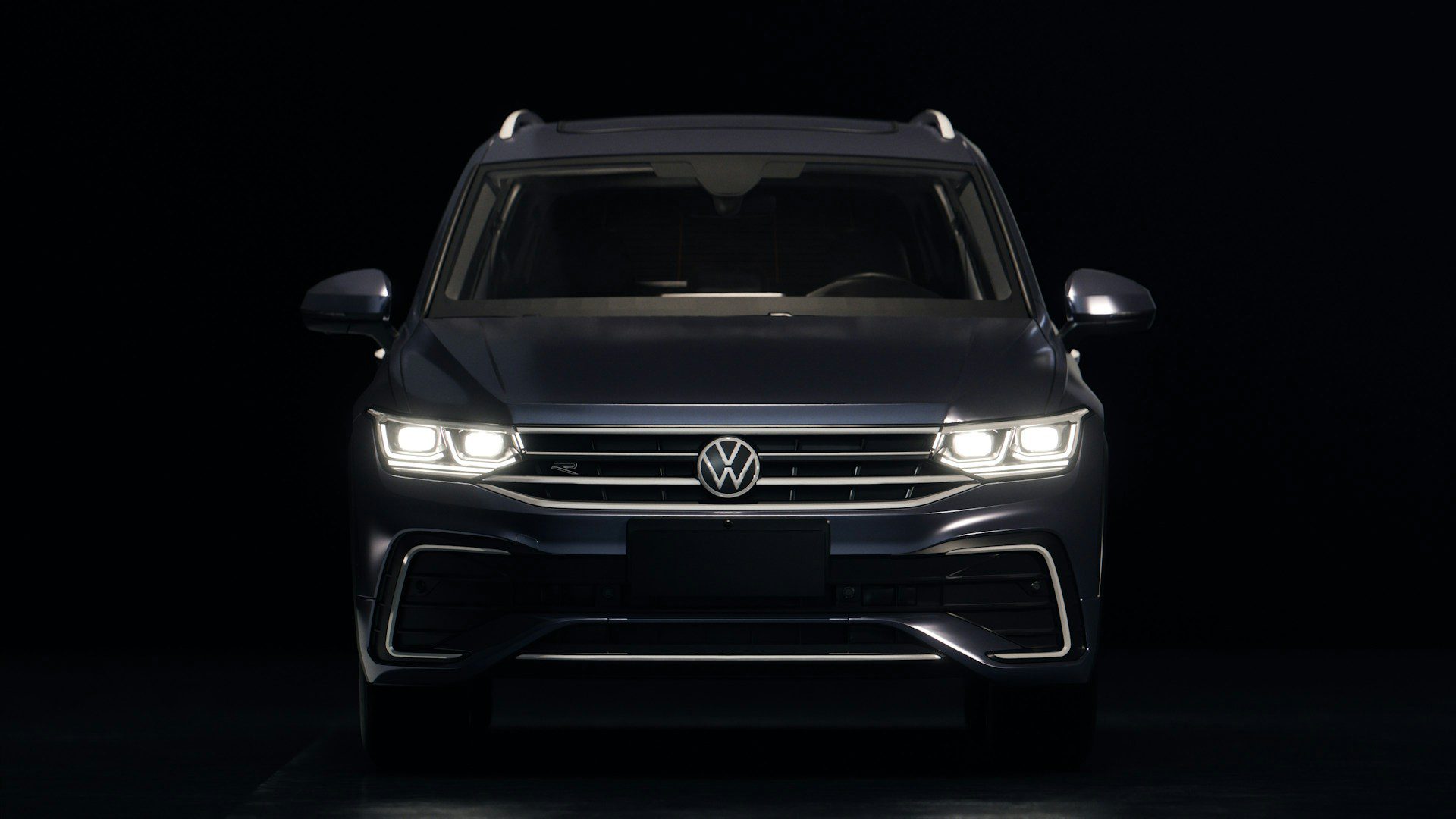
Volkswagen has begun mass production of its first electric vehicle developed with Chinese technology company Xpeng, signalling a deeper shift towards software-driven vehicle development in the world’s largest electric vehicle market. The model marks the first product to emerge from Volkswagen’s strategic partnership with Xpeng, which aims to accelerate innovation in electric mobility and intelligent vehicle systems.
The vehicle is being produced at Volkswagen’s Hefei facility and incorporates digital architecture and software technologies developed jointly with Xpeng. A central element of the collaboration is the integration of advanced vehicle software platforms designed to support intelligent driving features, improved connectivity and faster system upgrades. By leveraging Xpeng’s expertise in software engineering and autonomous technology, Volkswagen is attempting to close the technological gap with Chinese electric vehicle manufacturers that have advanced rapidly in recent years.
The partnership reflects a broader transformation in the automotive industry, where software capability is increasingly becoming a key competitive factor. Modern electric vehicles rely on complex operating systems, cloud connectivity and AI-driven driver assistance technologies. Traditional automakers such as Volkswagen are therefore forming technology alliances to accelerate development cycles and integrate digital platforms more efficiently into their vehicles.
China has emerged as the global centre of innovation for software-defined vehicles, with local manufacturers developing advanced driver assistance systems, intelligent cockpits and over-the-air software updates at a rapid pace. These capabilities have allowed Chinese EV makers to compete aggressively against international brands, forcing companies like Volkswagen to rethink their technological strategies in the region.
Volkswagen’s collaboration with Xpeng focuses heavily on developing scalable vehicle electronics architecture that supports intelligent driving functions and enhanced digital services. This includes software platforms capable of processing large volumes of data from vehicle sensors, enabling more advanced driver assistance systems and connected vehicle experiences. The partnership also aims to reduce development time for new electric models, allowing Volkswagen to launch technologically competitive vehicles more quickly.
The Hefei facility will play a central role in this strategy, serving as a production hub for next-generation electric vehicles built on the jointly developed technology platform. By combining Volkswagen’s manufacturing expertise with Xpeng’s software and EV technology capabilities, the companies aim to deliver vehicles that better align with the expectations of Chinese consumers.
As the automotive industry increasingly transitions towards software-defined vehicles, partnerships between traditional car manufacturers and technology firms are becoming essential. Volkswagen’s collaboration with Xpeng highlights how global automakers are turning to technology alliances to compete in an era where software, data and artificial intelligence are reshaping the future of mobility.