
US Robot Ban Escalates Technology Rivalry
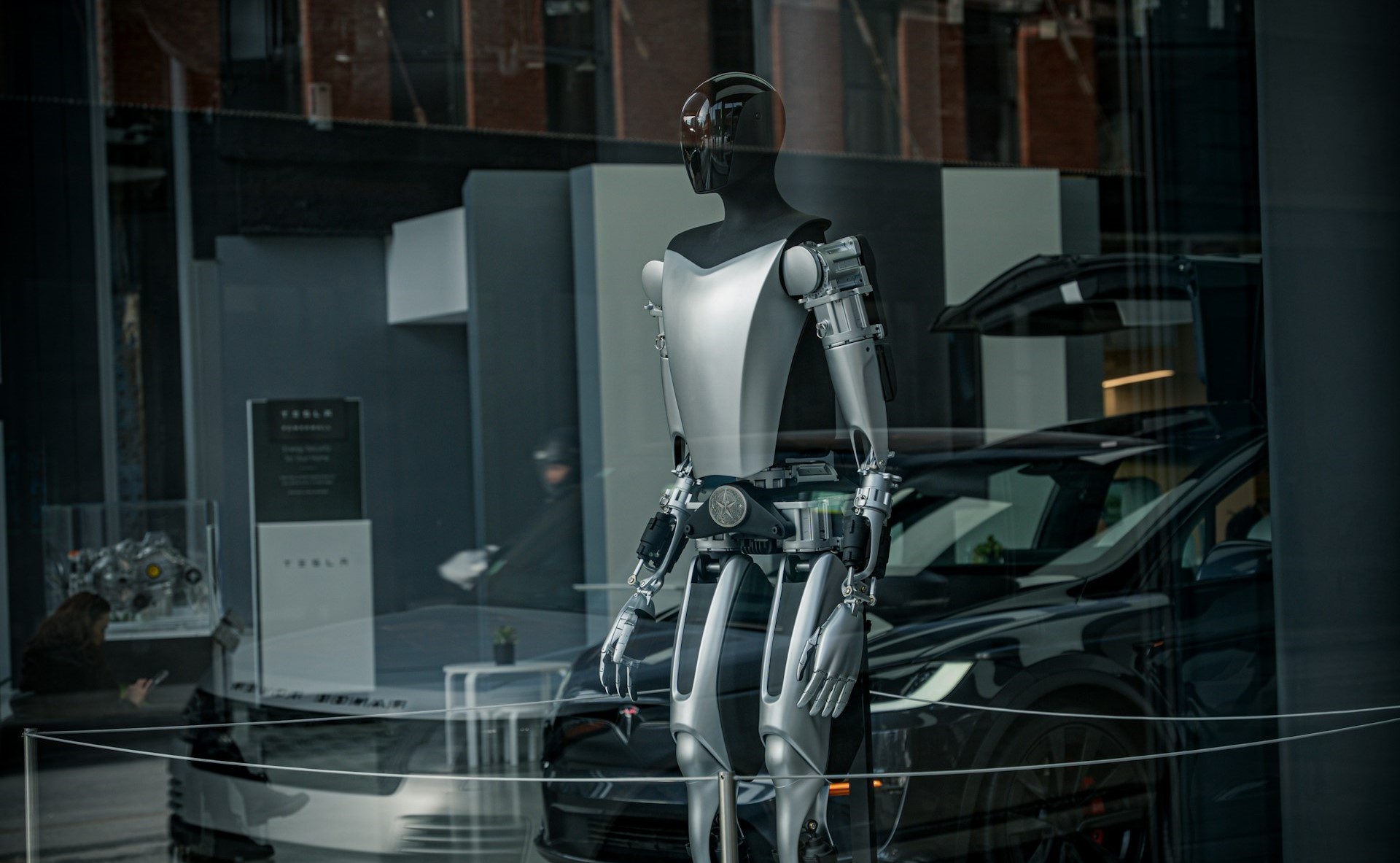
The US-China technology battle is moving beyond chips and software. Washington is now targeting advanced robots, opening a new front in a rivalry that could determine which country leads the next generation of physical artificial intelligence.
US regulators have moved to restrict authorisation for new foreign-made humanoid, quadruped and connected mobile robots, with Chinese manufacturers expected to feel the greatest impact. The restrictions reflect growing concerns that internet-connected machines could collect sensitive information or create security risks when deployed across workplaces and critical facilities.
The stakes are rising because robotics is becoming increasingly important to the AI industry. Advanced models are beginning to move from digital applications into machines capable of navigating physical environments and completing practical tasks. Humanoid robots are being developed for factories, warehouses and other labour-intensive settings, potentially creating a major new technology market.
China already holds significant advantages in manufacturing scale and cost. Its robotics companies can produce increasingly sophisticated machines at competitive prices, giving developers access to affordable hardware for testing and commercial deployment. Restricting these products could therefore give American manufacturers more room to expand.
However, protection comes with a trade-off. US developers may lose access to lower-cost hardware used to train and test robotic AI systems. If domestic alternatives remain more expensive, restrictions could increase development costs and potentially slow innovation even as they encourage local manufacturing.
The wider significance extends beyond robots themselves. Washington has already tightened controls around semiconductors, telecommunications equipment and other strategic technologies. Robotics now appears to be joining that list as governments recognise the economic and security value of machines powered by increasingly capable AI.
The technology rivalry is therefore entering a more physical phase. Chips provided the computing power behind the AI boom, but robotics will determine how that intelligence enters factories and workplaces. The next contest for technological leadership may be fought not only over who builds the smartest AI, but who builds the machines that put it to work.