
Bitcoin Rally Tests Renewed Market Demand
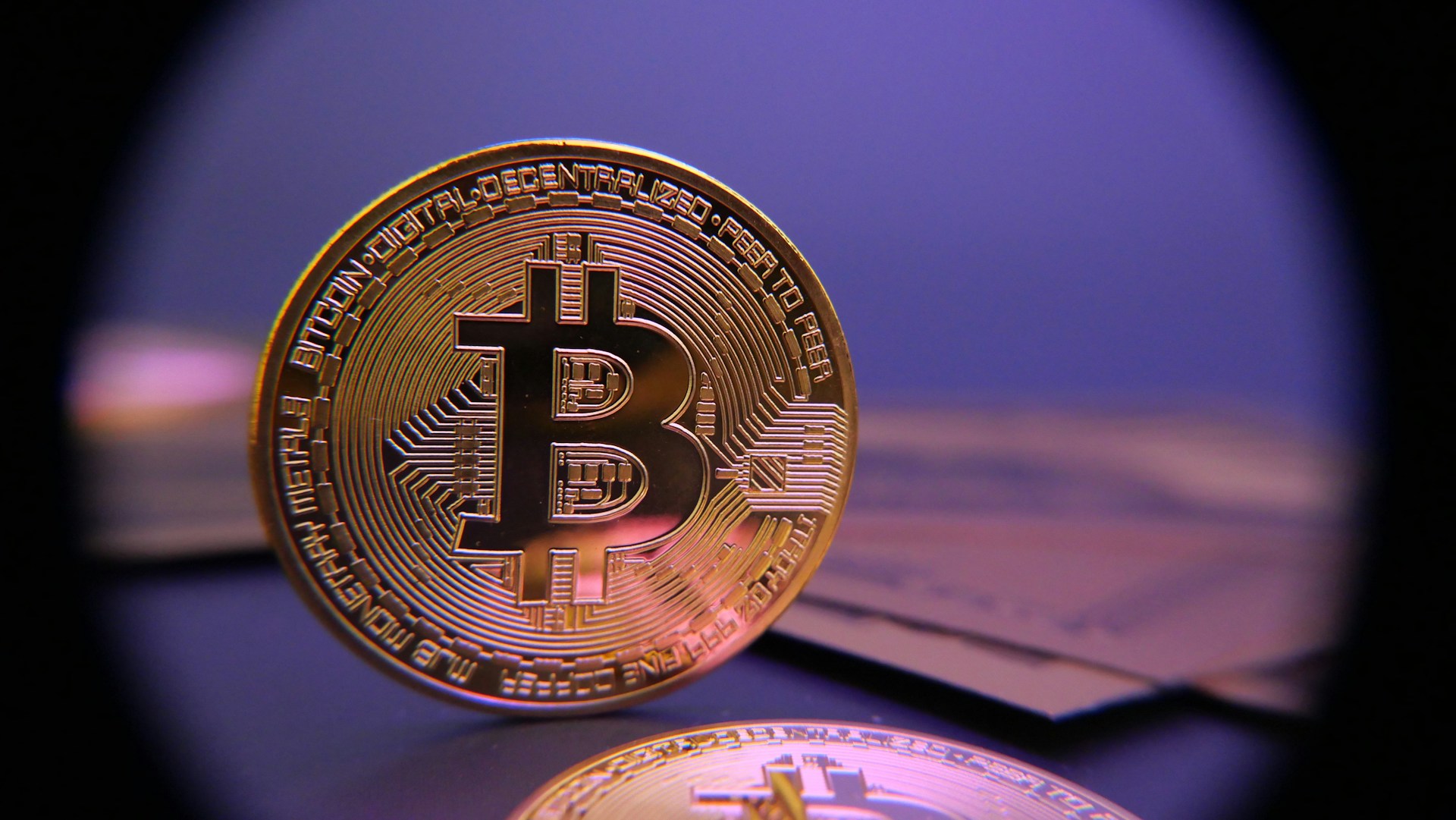
Bitcoin rose about 18 per cent within 48 hours to more than $77,600, returning the cryptocurrency to the centre of risk-asset trading. The advance followed months of weaker performance and reflected developments across bond markets, regulation and leveraged positioning.
The immediate macroeconomic catalyst was the US Treasury’s expansion of its long-term bond-buyback programme. Purchases were doubled from $2 billion to at least $4 billion per operation, with officials indicating that their size could increase further. The programme is intended to improve Treasury-market liquidity rather than create new money or reduce government debt.
Markets nevertheless treated the decision as supportive for scarce and risk-sensitive assets. The dollar weakened as concerns persisted over long-term government borrowing costs. Bitcoin and gold both advanced, showing that the cryptocurrency rally formed part of a wider market response rather than an isolated digital-asset event.
Positioning increased the speed of the move. Bitcoin had traded well below its October 2025 record, encouraging bearish positions. The price breakout forced short sellers to purchase cryptocurrency to close their trades, creating additional demand and amplifying gains.
Regulatory developments also strengthened sentiment. The Securities and Exchange Commission proposed lighter registration requirements for cryptocurrency issuers, while the White House renewed calls for Congress to advance legislation establishing digital-asset rules. Greater clarity could influence exchanges, issuers and institutional participation, although the proposals have not completed the legislative process.
For investors, the distinction between liquidity-driven buying and durable capital allocation is important. Treasury buybacks can improve bond-market trading conditions, but they do not resolve fiscal pressures or guarantee continued cryptocurrency inflows. Short covering can also produce rapid reversals once forced buying ends.
The rally therefore signals renewed risk appetite, not proof of a sustained bull market. Its durability depends on spot demand, fund flows, dollar movements and progress on US cryptocurrency regulation.