
US Japan Partnership Bolsters Yen Defence
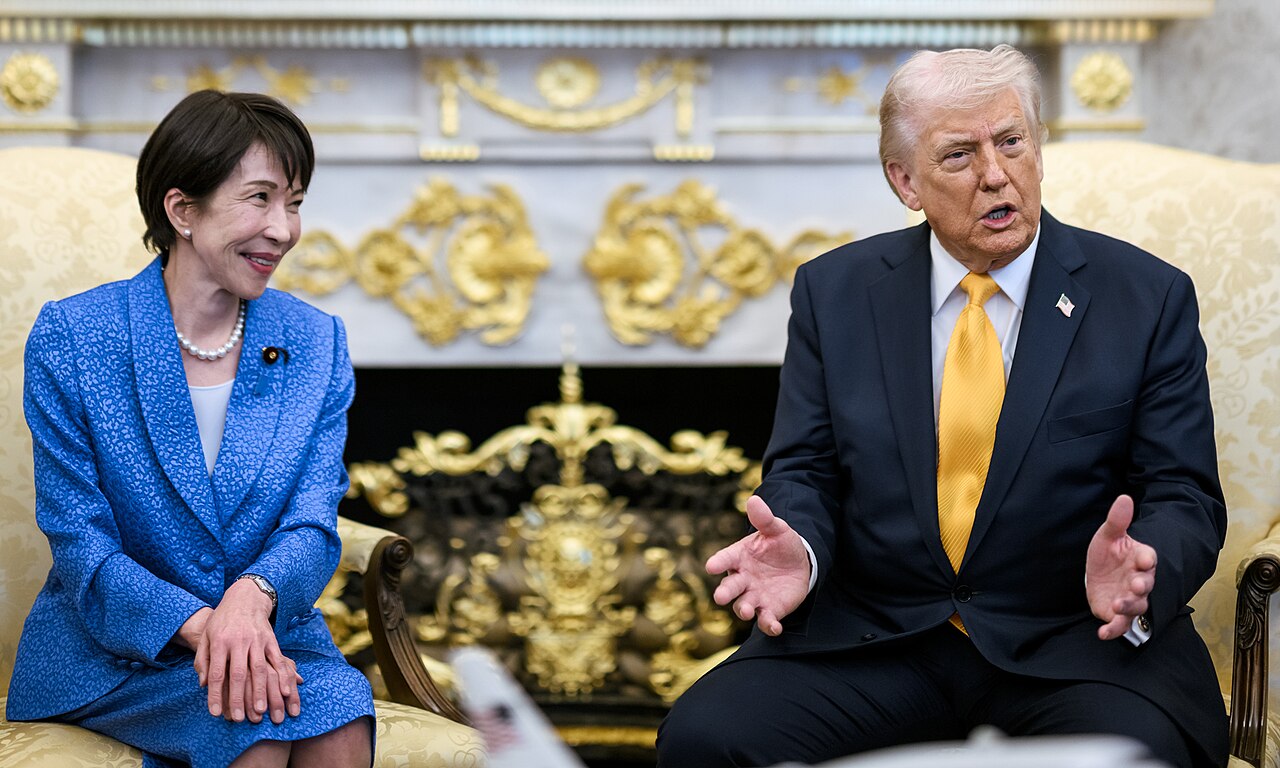
Japan’s effort to stabilise the yen is about more than protecting its currency. The joint commitment with the United States highlights growing concern that prolonged exchange-rate weakness is feeding inflation, increasing business costs and complicating Japan’s broader economic recovery.
The two countries have reaffirmed their willingness to coordinate if excessive currency volatility persists, following intervention to support the yen after it fell to multi-decade lows against the US dollar. The move reflects a shared view that disorderly currency movements can disrupt trade, investment and financial stability.
For Japan, the weaker yen has created a mixed economic picture. Exporters have benefited from improved overseas competitiveness, but those gains have been offset by higher import costs for energy, food and industrial materials. As businesses absorb or pass on those costs, households face higher living expenses, reducing purchasing power and weighing on domestic demand.
The currency has also become an important policy challenge. The Bank of Japan is attempting to normalise monetary policy after years of ultra-low interest rates, while avoiding unnecessary pressure on an economy still seeking durable growth. Persistent yen weakness risks prolonging imported inflation, making that balance increasingly difficult to achieve.
Markets will ultimately determine whether intervention succeeds. Currency operations can slow excessive volatility and reinforce policy signals, but they rarely change exchange-rate trends unless supported by stronger economic fundamentals. Interest-rate differentials, inflation expectations and investor confidence remain the dominant forces shaping long-term currency movements.
The episode also underlines the growing economic importance of exchange-rate stability. Sharp currency swings influence inflation, corporate planning and consumer confidence, making them more than a financial market issue. They increasingly affect the pace and quality of economic growth.
Japan’s coordination with the United States therefore represents an attempt to reinforce confidence rather than simply strengthen the yen. The more important test lies ahead: whether economic conditions improve enough to support the currency without continued intervention.