
US Blacklist Escalates China Technology Tensions
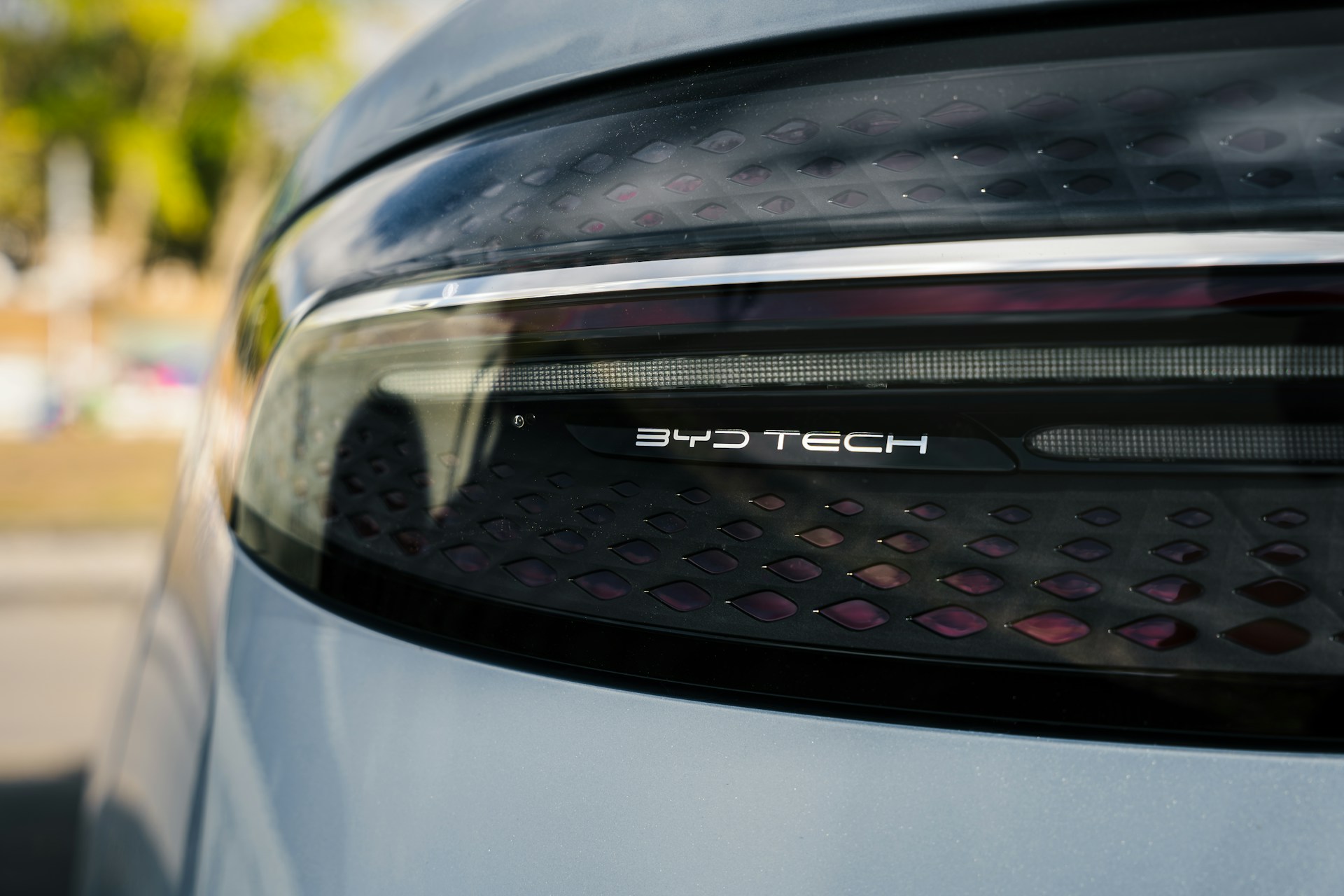
The United States has expanded its list of companies deemed to be supporting China’s military, adding some of the country’s most prominent technology, automotive and industrial groups in a move that could further intensify tensions between the world’s two largest economies. The Pentagon’s decision underscores Washington’s growing focus on the role of commercial technology in advancing China’s strategic and defence capabilities.
Among the companies added to the updated list are Alibaba, Baidu, BYD and NIO, alongside memory chipmakers Yangtze Memory Technologies (YMTC) and ChangXin Memory Technologies (CXMT). The designation does not immediately impose sanctions, but it restricts direct and indirect Pentagon contracts with listed entities and can increase regulatory scrutiny from investors, customers and government agencies.
The expanded list reflects a broader shift in US technology policy. Washington has increasingly argued that China’s civilian and military sectors are closely integrated, allowing commercial innovations in areas such as artificial intelligence, semiconductors, robotics and advanced manufacturing to support military modernisation. The latest additions include companies operating across many of these strategically important sectors.
The move is particularly significant because it targets businesses that have become global leaders in their respective fields. Alibaba and Baidu are central players in China’s digital economy and AI development, while BYD has emerged as one of the world's largest electric vehicle manufacturers. Their inclusion signals that US concerns are extending beyond traditional defence-linked enterprises towards a wider group of technology champions viewed as strategically important to Beijing.
Chinese authorities and several affected companies have strongly rejected the allegations, describing the designation as discriminatory and unfounded. Some firms have indicated they may seek legal or administrative remedies to challenge their inclusion.
The decision highlights how technology has become a central battleground in US-China relations. As competition intensifies around artificial intelligence, semiconductors and advanced manufacturing, regulatory actions such as these are increasingly shaping the global technology landscape and influencing how companies operate across international markets.