Uganda secures $2 billion World Bank funding after suspension
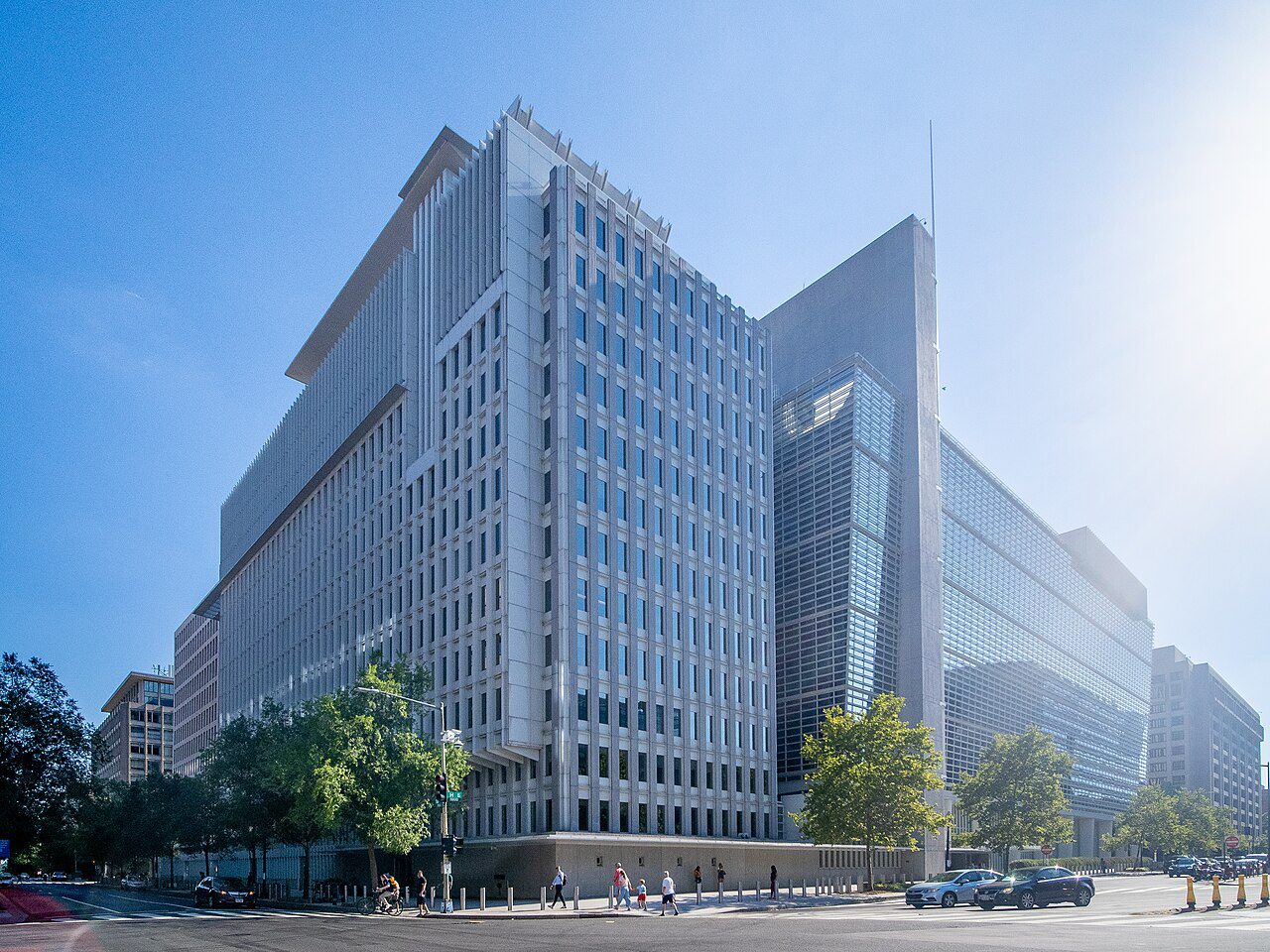
Uganda will receive more than $2 billion in new concessional financing from the World Bank over the next three years, marking the full restoration of lending after a nearly two-year freeze linked to the country’s controversial anti-LGBTQ legislation. The funding, announced by Uganda’s finance ministry, will support projects in transport, energy, digital infrastructure and agriculture as the government seeks to revive economic growth and fiscal stability.
The World Bank suspended new lending to Uganda in 2023 following the passage of legislation that drew international condemnation. The decision had strained the country’s access to low-cost external financing, forcing Kampala to rely on expensive domestic borrowing. The resumption of concessional funds is therefore expected to ease budget pressures and accelerate investment ahead of Uganda’s planned launch of crude oil production in 2026.
Finance officials said the renewed support signals a reset in relations with the World Bank and reflects Uganda’s commitment to project governance and accountability standards. However, human rights advocates warned that reinstating funding without visible policy reforms risks undermining international efforts to pressure the government over its restrictive laws.
Analysts noted that the new financing could help stabilise Uganda’s macroeconomic position by improving infrastructure and reducing debt-servicing costs. Yet the effectiveness of the package will depend on how efficiently funds are deployed and whether the government ensures transparency in spending.
As Uganda moves forward with oil and infrastructure projects, observers said it must balance economic expansion with social inclusion and governance reforms to sustain long-term growth. The World Bank’s renewed engagement, while economically vital, may reignite debate over the intersection of development assistance and human rights accountability in the region.