
Uber Nvidia alliance advances autonomous mobility systems
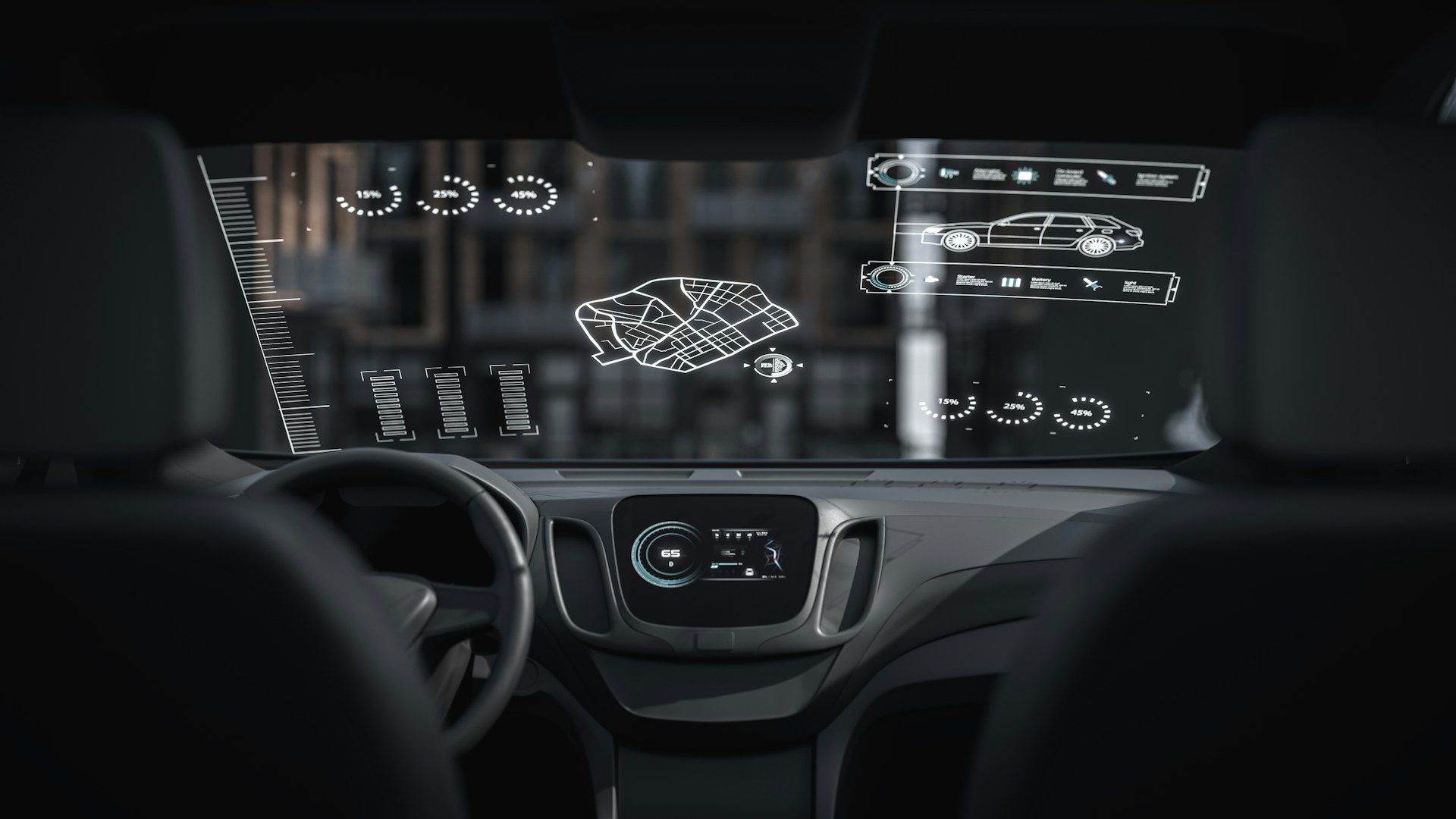
Uber’s partnership with Nvidia to deploy self-driving taxis from 2027 highlights a deeper shift towards artificial intelligence-led mobility, positioning the company within the rapidly evolving autonomous transport ecosystem. The collaboration reflects growing convergence between software, hardware, and platform infrastructure in shaping next-generation urban mobility.
At the core of the initiative is Nvidia’s autonomous driving technology, including its DRIVE platform, which combines advanced AI processing, simulation, and real-time decision-making capabilities. Uber plans to integrate these systems into its network, beginning with deployments in Los Angeles and San Francisco before expanding globally. This phased rollout underscores a focus on technical validation and data accumulation, both critical to scaling reliable autonomous systems.
Rather than developing its own self-driving technology, Uber is adopting a modular, partnership-driven approach. By leveraging Nvidia’s expertise in AI and computing, the company can accelerate deployment timelines while reducing engineering complexity. This allows Uber to concentrate on platform orchestration, managing routing, demand matching, and user experience, while relying on specialised partners for core autonomy functions.
The collaboration also reflects broader industry trends, where autonomous mobility is increasingly shaped by ecosystems rather than vertically integrated models. Nvidia’s role as a technology backbone positions it as a key enabler, supplying both hardware and software infrastructure that can be adapted across multiple fleets and geographies. For Uber, this creates flexibility to integrate future innovations without rebuilding its core architecture.
However, significant technical challenges remain. Achieving consistent Level 4 autonomy requires advances in perception systems, edge computing, and safety validation across diverse driving environments. Data reliability, system redundancy, and real-time responsiveness will be central to ensuring operational viability at scale. Regulatory frameworks, which vary widely by region, will further influence deployment timelines and system design requirements.
Ultimately, the Uber-Nvidia alliance illustrates how autonomous mobility is becoming a technology-first domain, driven by artificial intelligence and high-performance computing. The success of this strategy will depend on seamless integration between software intelligence and physical infrastructure, shaping how quickly fully autonomous transport becomes a commercial reality.