
Trump Xi Talks Focus On Global Economy
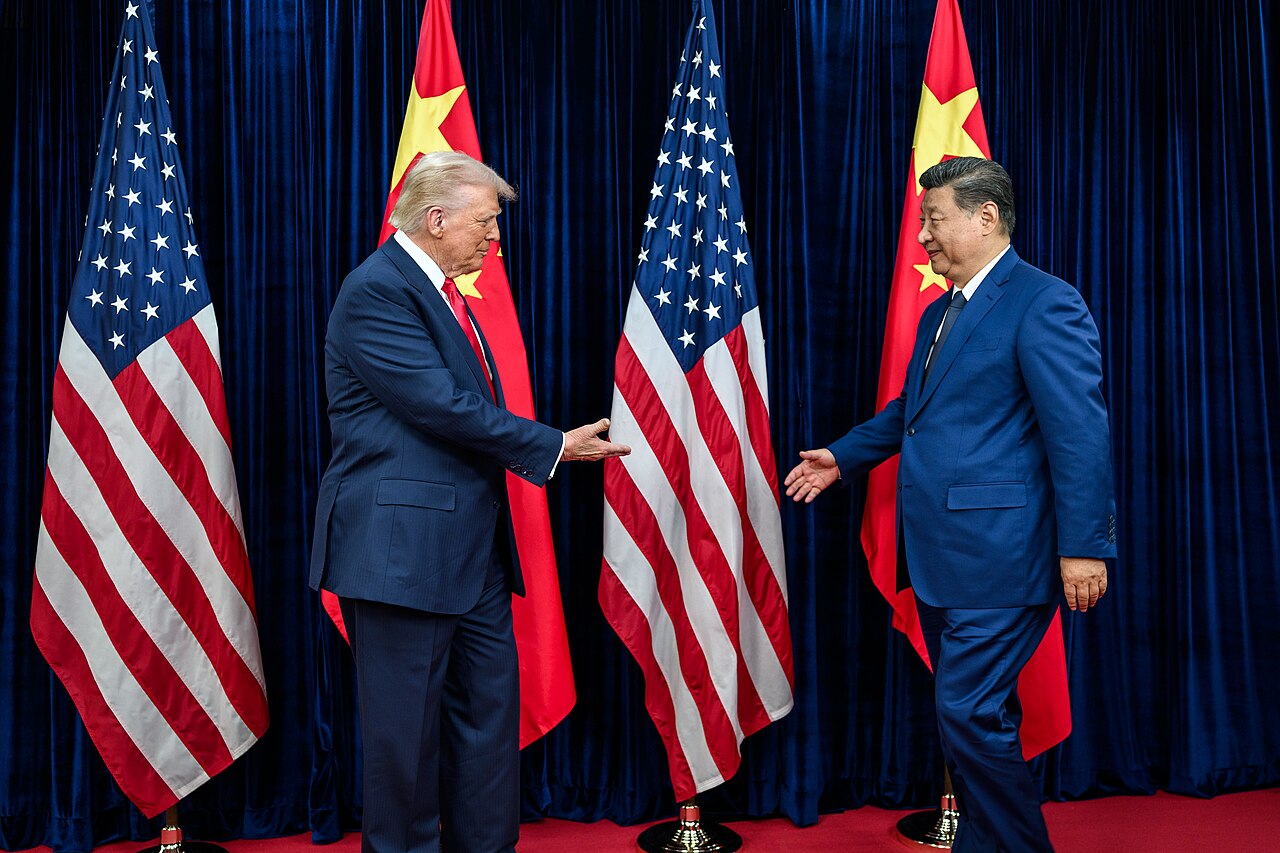
US President Donald Trump and Chinese President Xi Jinping are preparing for a high-stakes summit in Beijing as rising geopolitical tensions place the global economy under increasing pressure. The meeting comes at a critical moment, with concerns over energy security, trade disruptions and financial instability dominating international markets.
A major focus of the talks will be the ongoing Iran conflict and the disruption of the Strait of Hormuz, which handles nearly 20% of global oil trade. The instability has pushed oil prices sharply higher, increasing inflationary pressures across major economies and raising concerns about slower global growth. China, heavily reliant on Middle Eastern energy imports, has faced mounting pressure on supply chains and industrial costs as energy markets remain volatile.
Trade tensions between Washington and Beijing are also expected to shape the summit. The United States has expanded sanctions targeting Chinese firms and financial institutions linked to Iranian oil transactions, while China has responded with anti-sanctions measures aimed at protecting domestic businesses. This growing financial confrontation is creating uncertainty for banks, exporters and multinational corporations operating between the two economies, increasing concerns over fragmentation in global trade systems.
Taiwan remains another critical economic and geopolitical issue. Rising tensions surrounding the island continue to influence investor sentiment, particularly within the semiconductor industry, where Taiwan plays a central role in global chip production. Any escalation could further disrupt technology supply chains, adding pressure to industries already dealing with higher energy and transport costs.
The summit highlights the deep connection between geopolitics and economic stability. With energy prices elevated, inflation remaining persistent and trade relations under strain, the outcome of the Trump-Xi discussions could influence market confidence, commodity prices and global growth expectations. Investors and policymakers alike are closely watching for signs of cooperation or further division between the world’s two largest economies.