
Infrastructure Spending Fuels Fibreglass Pipe Demand
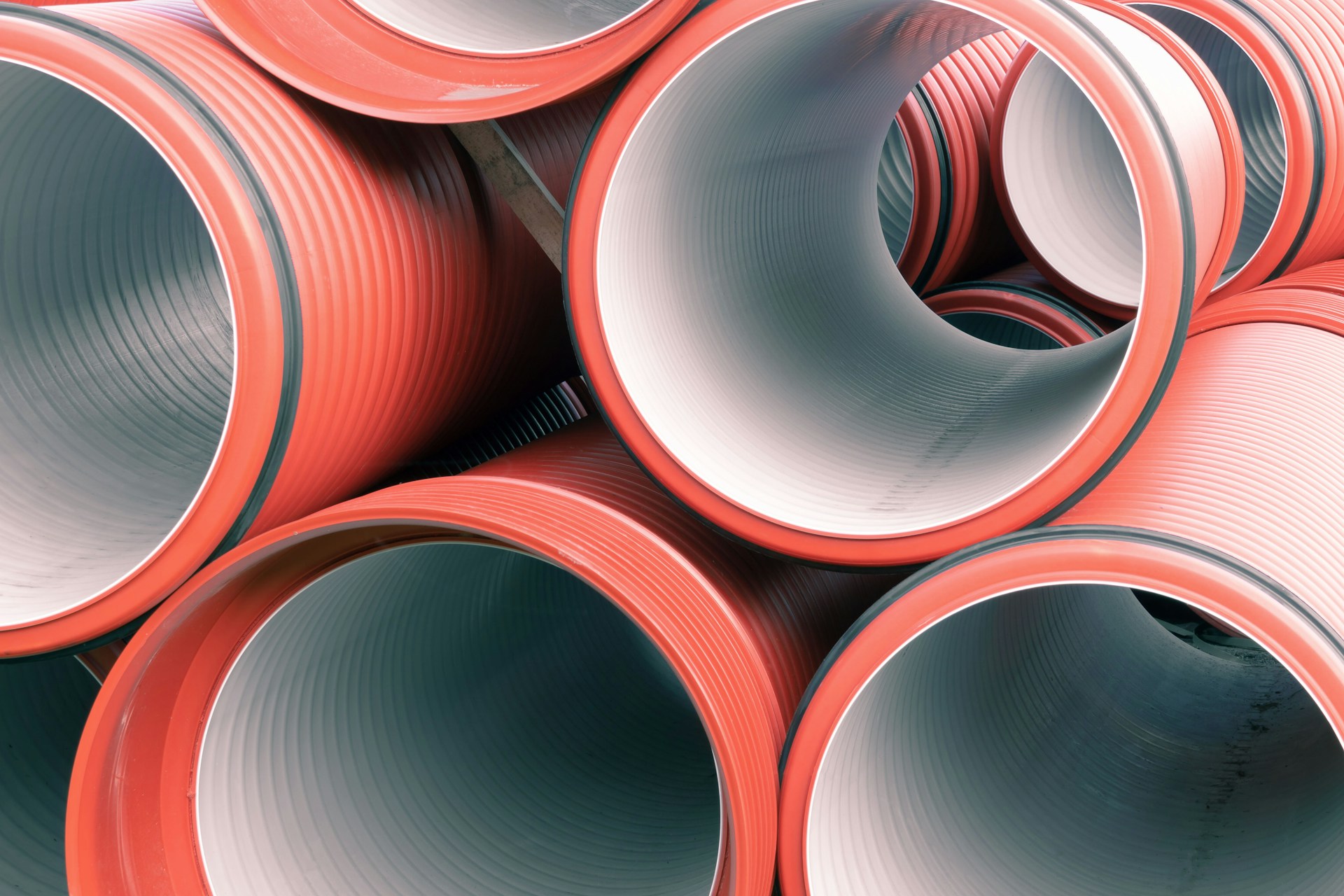
The global fibreglass pipe market is projected to reach $7.97 billion by 2033, driven by rising investment in infrastructure modernisation, water systems and energy networks. The forecast highlights growing demand for durable construction materials as governments and private sector developers accelerate spending on critical infrastructure projects worldwide.
Fibreglass reinforced plastic pipes are increasingly being adopted as an alternative to traditional steel, concrete and metal-based systems. Their resistance to corrosion, lower maintenance requirements and longer operational lifespan make them particularly attractive for large-scale infrastructure projects where long-term reliability and cost efficiency are essential.
The market is benefiting from substantial investment in water infrastructure, including wastewater treatment facilities, desalination plants and municipal distribution networks. Rapid urbanisation and population growth are placing increasing pressure on existing utility systems, prompting governments to allocate significant funding towards upgrading ageing infrastructure and improving water security. Fibreglass piping solutions are becoming a preferred choice because of their durability and suitability for demanding operating environments.
Energy infrastructure is also contributing to market growth. Oil and gas pipeline projects, industrial processing facilities and power generation developments continue to require specialised piping systems capable of handling corrosive substances and high-pressure conditions. As countries invest in energy security and industrial capacity, demand for advanced pipeline materials is expected to remain strong.
From an infrastructure perspective, the market reflects a broader global trend towards resilient and sustainable asset development. Policymakers and infrastructure planners are increasingly focused on lifecycle performance rather than initial construction costs, creating opportunities for materials that deliver lower maintenance expenses and longer service life.
Technological advances in composite manufacturing have further improved the performance and scalability of fibreglass pipe systems, expanding their use across transport, utilities and industrial infrastructure projects. Analysts expect continued innovation to strengthen adoption rates as infrastructure owners seek more efficient and cost-effective solutions.
The market’s projected expansion underscores the growing importance of modern infrastructure materials in supporting economic development, resource management and long-term capital investment, particularly as nations continue upgrading essential utility and energy networks to meet future demand.