
Treasury Buybacks Ease Pressure on Yields
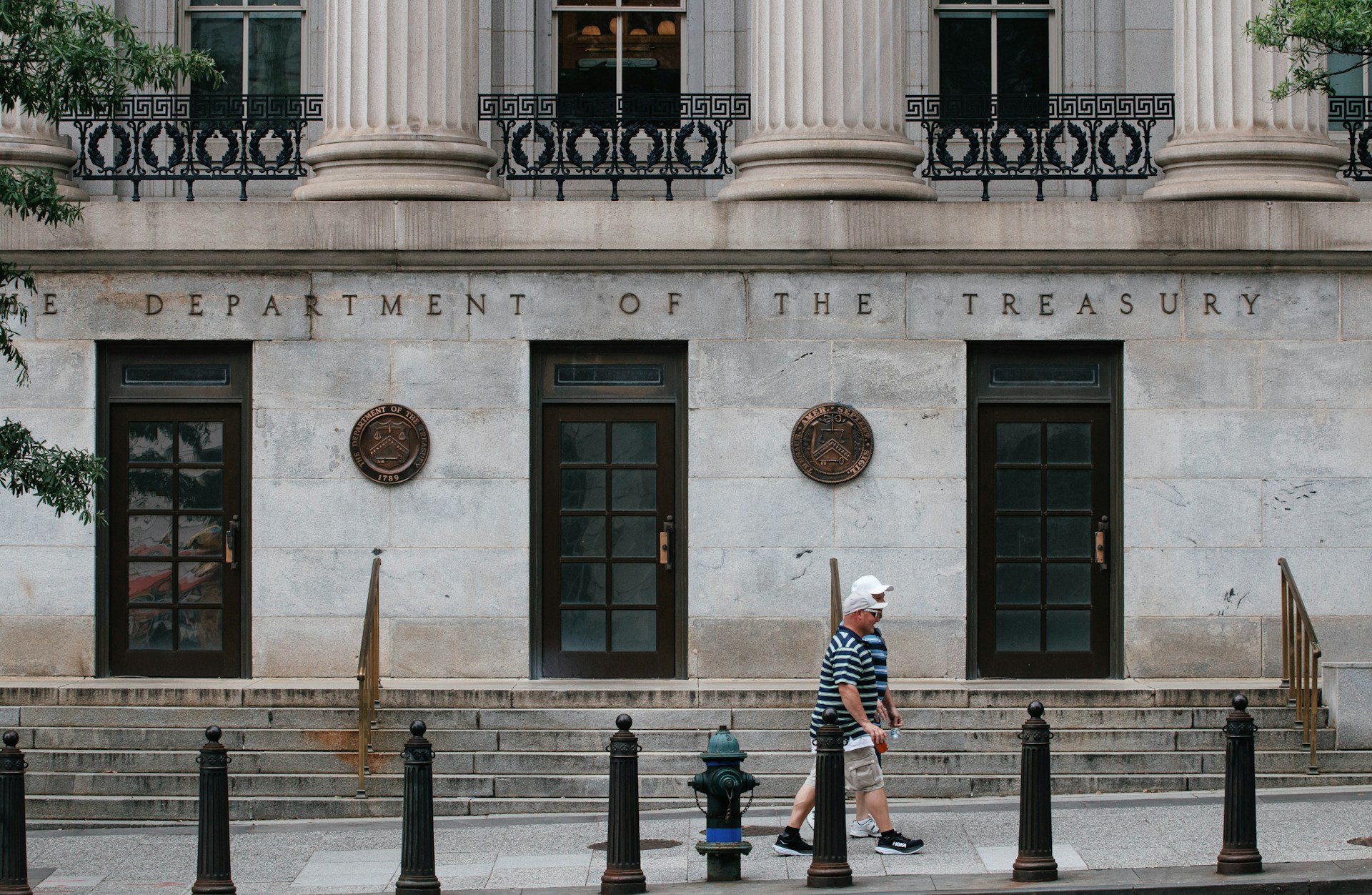
US Treasury yields declined after the government expanded liquidity support for longer-dated bonds, offering investors temporary relief following a broad market sell-off. The decision affects bond pricing, portfolio income and expectations for future borrowing costs.
The Treasury Department will double the size of selected buyback operations for longer-term securities. These purchases improve liquidity by removing older bonds that trade less frequently, helping investors complete transactions without causing sharp price movements. Stronger demand also raises bond prices and lowers yields.
The benchmark ten-year Treasury yield fell 4.9 basis points to 4.655 per cent, while the 30-year yield dropped eight basis points to 5.205 per cent. The two-year yield increased slightly to 4.181 per cent, reflecting uncertainty about the Federal Reserve’s next interest rate decision.
For bond investors, lower long-term yields create mixed effects. Existing securities can gain value as market yields decline, particularly those with longer maturities and greater sensitivity to interest rate movements. However, buyers of newly issued bonds may receive less income if yields continue falling.
The Treasury’s intervention indicates a willingness to support market functioning, but analysts questioned whether larger buybacks would provide lasting stability. One possible longer-term measure would be reducing the size of future long-dated auctions. Such a change could restrict supply and support prices, although it would reshape the government’s financing programme.
Investment conditions remain influenced by rising oil prices, stalled efforts to resolve the US-Iran conflict and concerns about public debt. Investors are also awaiting Federal Reserve meeting minutes for evidence that policymakers may consider another rate increase. Inflation expectations remain close to 2.3 per cent.
The buybacks may reduce immediate liquidity pressure, but they do not remove underlying fiscal and inflation risks. Portfolio decisions will therefore depend on maturity exposure, income requirements and expectations for monetary policy, government issuance and geopolitical developments.