
Tesla Reveals Flying Roadster With Constraints
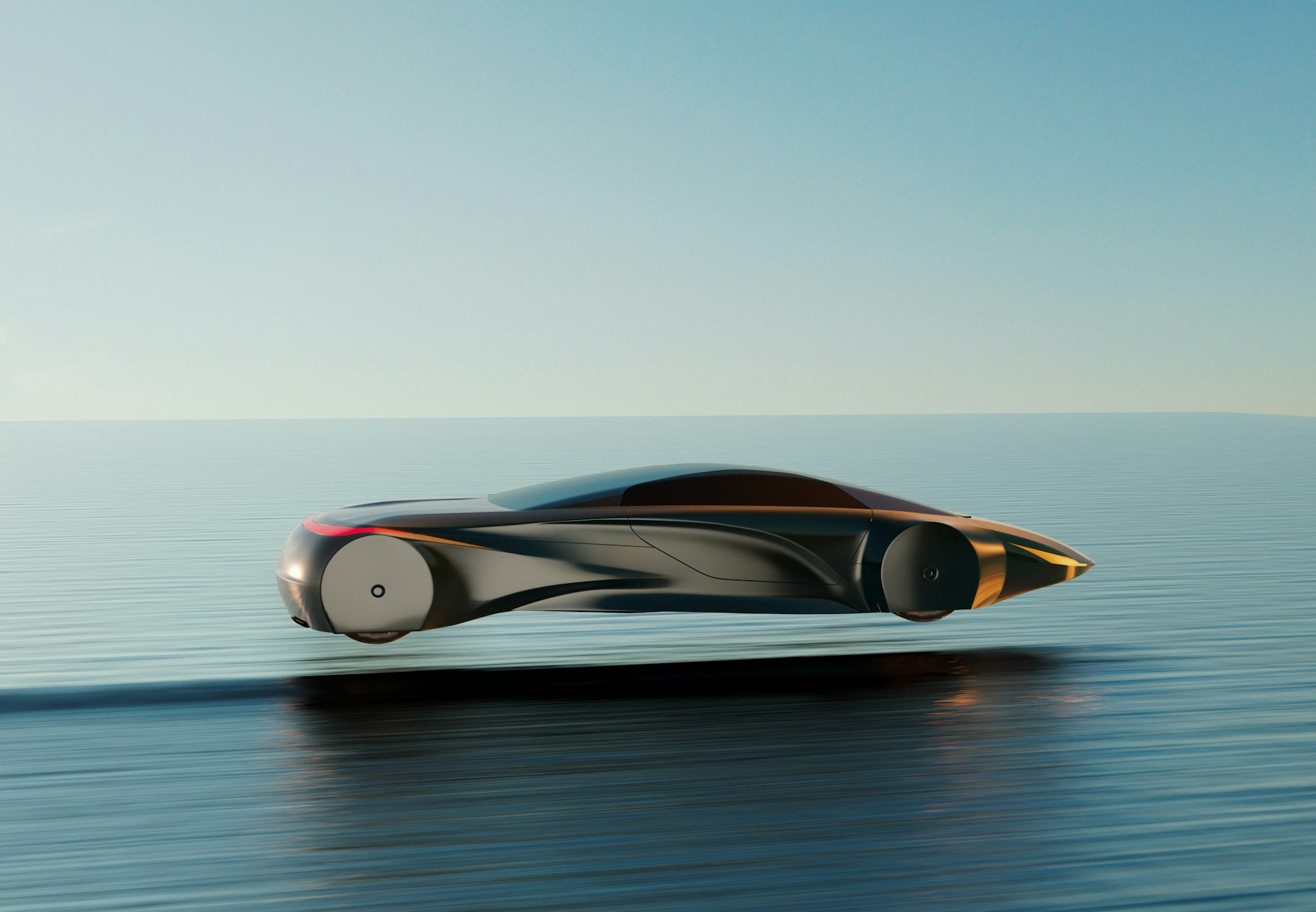
Tesla has unveiled a new version of its Roadster sports car capable of briefly lifting off the ground using pressurised gas thrusters. The demonstration on 15 October attracted attention, but questions remain over whether the technology offers practical transport benefits.
Unlike conventional aircraft, the Roadster has no wings or propellers. Its system releases highly pressurised gas through nozzles to generate thrust, allowing the vehicle to jump and perform aerial manoeuvres. A demonstration showed the car launching from a ramp, flipping and landing.
According to figures presented by Tesla, the most advanced version uses ten thrusters and carries approximately 250 kilograms of compressed gas in two tanks. TechCity estimates that this would support around seven to ten seconds of hovering under ideal conditions. At maximum thrust, the supply could be exhausted in two seconds or less. These are independent calculations, not verified flight-duration claims from Tesla.
Practical limitations extend beyond airtime. Filling the tanks currently takes an estimated six to seven hours, although Tesla is reportedly working to reduce this to about 30 minutes. The flight-capable Rocket variant is available by invitation only and is not approved for public roads. Tesla is targeting production in 2028, following repeated delays.
For the automotive and technology industries, the demonstration highlights the potential of unconventional propulsion, while exposing barriers to commercial use. Extremely short flight times, refilling requirements and uncertain regulatory oversight complicate any move towards everyday airborne mobility. TechCity reports that US aviation regulators do not currently classify the Roadster as an aircraft.
The unveiling therefore represents an engineering showcase rather than a breakthrough in personal flying transport. Tesla must demonstrate reliability, clearer operating rules and practical applications before the concept can move beyond controlled displays.