
Santander Webster Deal Reshapes US Banking
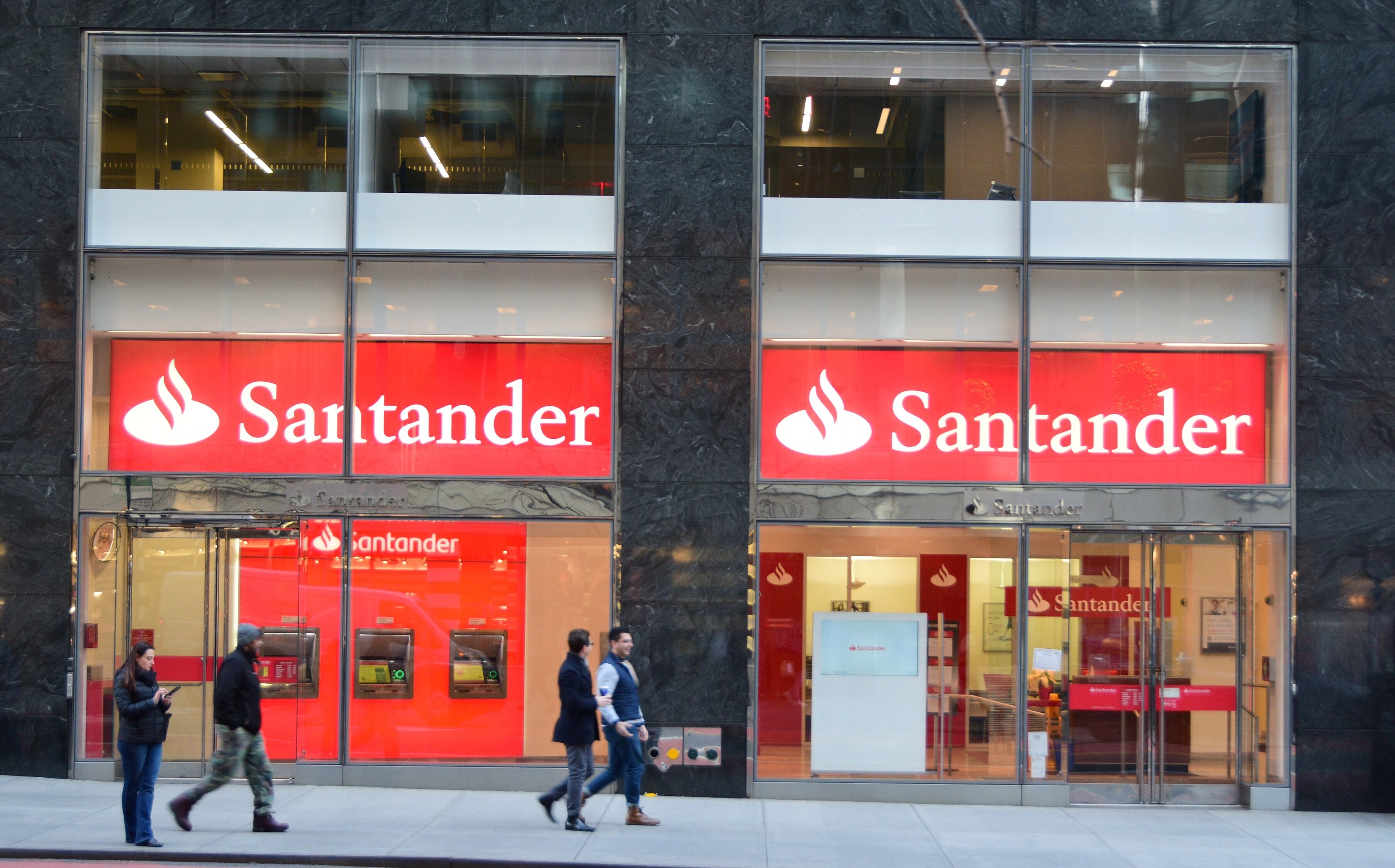
Santander has completed its acquisition of Webster Financial Corporation, expanding its retail and commercial banking presence in the United States. The transaction gives the Spanish group greater scale, a stronger deposit base and broader exposure to specialised lending.
The combined American operation holds approximately $327 billion in assets, $185 billion in loans and $172 billion in deposits, based on balances at the end of 2025. It will serve nearly eight million customers, strengthening Santander’s competitive position across the north-eastern United States.
Webster adds relationship-based deposits that could lower Santander’s funding costs and reduce reliance on wholesale markets. Its commercial banking activities also diversify Santander beyond vehicle finance, while its Healthcare Financial Services platform introduces specialised products and additional fee-generating opportunities.
The larger customer base creates potential for Santander to distribute wealth management, digital banking, corporate finance and investment products more widely. Greater scale may also allow technology, compliance and administrative costs to be spread across a larger operation, supporting improved efficiency.
Santander expects the deal to help its American business achieve approximately 18 per cent return on tangible equity by 2028. Reaching that target will depend on cost savings, revenue growth and disciplined lending. The acquisition could increase earnings, but it also exposes Santander to integration expenses and a larger portfolio of American credit risk.
Most Webster businesses have joined Santander Bank. John Ciulla, Webster’s former chief executive, now leads the combined bank, while Webster’s Stamford headquarters remains a corporate hub.
Customers face few immediate changes and can use both banks’ cash machines without fees. For Santander, the acquisition creates a more balanced American banking platform. Its lasting value will depend on retaining deposits, integrating systems, maintaining service quality and achieving financial benefits without weakening credit standards.