
Record EU-US Trade Defies Tariff Pressures
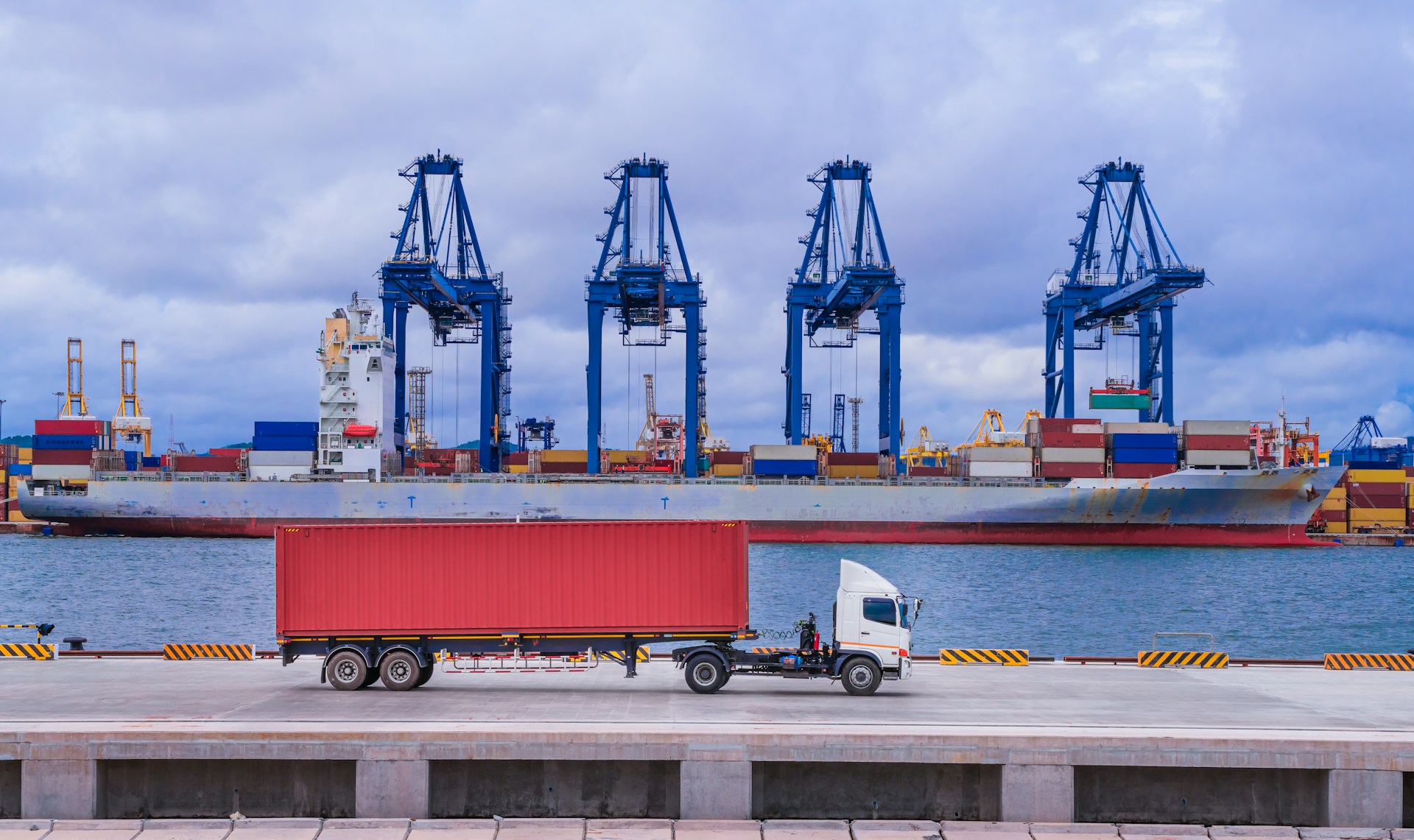
Trade in goods between the European Union and the United States reached a record level in 2025, underscoring the resilience of the transatlantic economy despite higher tariffs and persistent trade tensions. The figures suggest that businesses on both sides of the Atlantic have continued to expand commercial activity even as policymakers pursue more protectionist trade measures.
According to the German Economic Institute, goods trade between the two economies climbed to €875 billion during the year. EU exports to the United States increased to €580 billion, while imports reached €295 billion, widening the bloc's trade surplus. Part of the increase reflected businesses accelerating shipments ahead of the introduction of new tariffs, allowing exporters to mitigate some of the immediate impact of changing trade policies.
While overall trade reached a record high, performance varied considerably across sectors. European automotive exports weakened as tariffs weighed on manufacturers, particularly in Germany, where vehicle shipments to the US declined significantly. In contrast, pharmaceutical and chemical exports remained resilient, helping to offset weaker performance in traditional manufacturing industries. The figures illustrate how shifts in global demand and trade policy are reshaping the composition of international commerce rather than reducing trade volumes altogether.
The latest data also highlight the adaptability of businesses operating within the global economy. Companies have increasingly adjusted supply chains, export strategies and production schedules to navigate changing tariff regimes while maintaining access to key international markets. This flexibility has helped sustain cross-border trade despite a more uncertain policy environment.
The resilience of EU-US trade remains significant given the scale of the economic relationship. Together, the two markets account for one of the world's largest trading partnerships, supporting investment, employment and industrial activity across a broad range of sectors. Continued commercial integration has therefore remained an important source of economic stability despite political and regulatory differences.
The record trade figures suggest that underlying economic demand continues to support transatlantic commerce even as trade policy becomes more complex. Going forward, the strength of the relationship will depend not only on tariff negotiations but also on the ability of businesses to adapt to an evolving global trading environment.