
Drug Tariffs Threaten Wider Economic Pressures
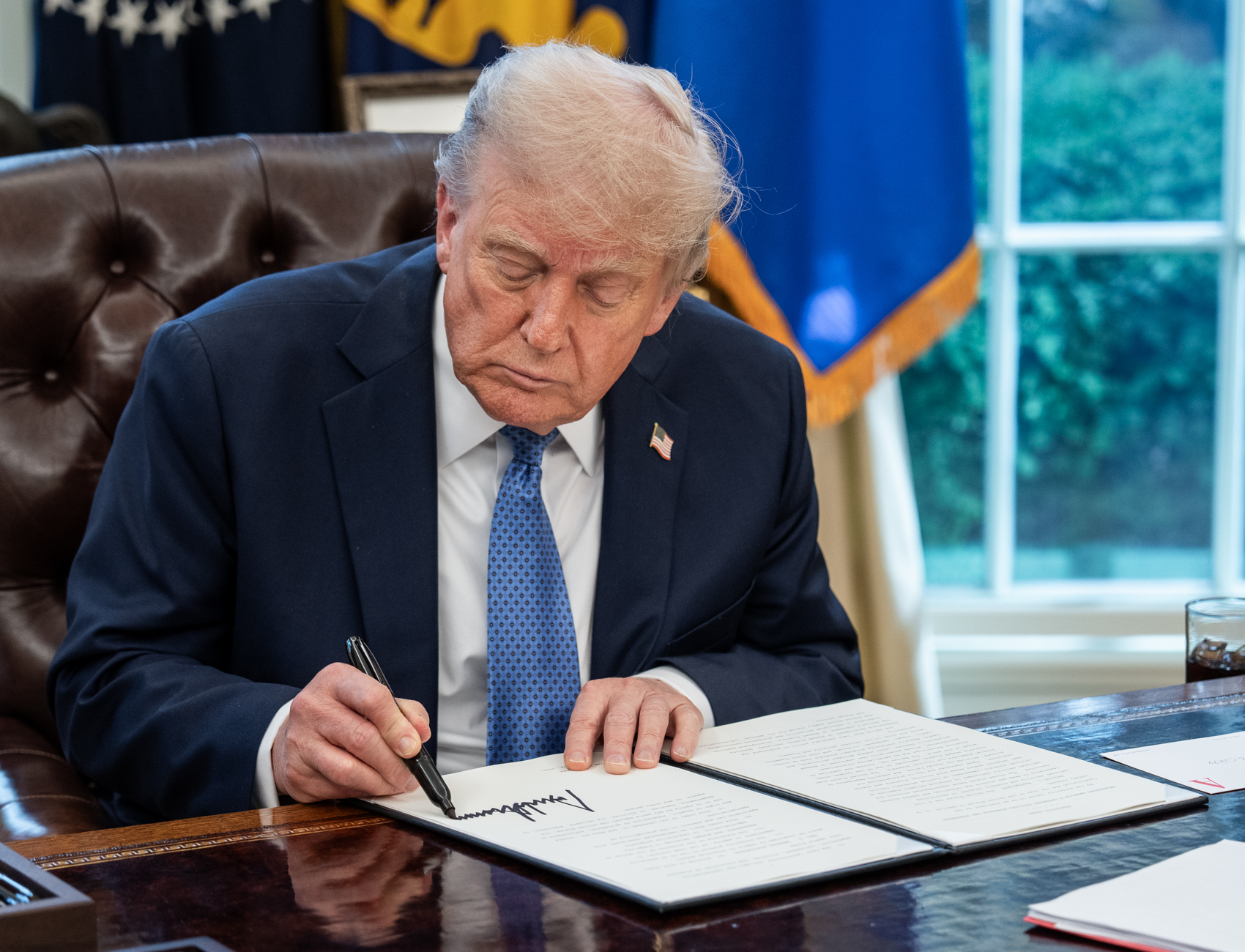
President Donald Trump’s proposed tariffs on imported medicines are creating fresh economic uncertainty, raising concerns that higher pharmaceutical costs could increase healthcare spending, disrupt supply chains and complicate efforts to strengthen domestic manufacturing.
Generic medicines are particularly exposed because many are produced overseas and sold on thin profit margins. Manufacturers may struggle to absorb substantial import duties without increasing prices or withdrawing less profitable products. This could place additional financial pressure on hospitals, pharmacies, insurers and households already facing elevated healthcare expenses.
From a wider economic perspective, tariffs are intended to encourage companies to move manufacturing into the United States. Greater domestic pharmaceutical production could support investment, create jobs and reduce reliance on international supply chains. However, building manufacturing facilities requires significant capital, regulatory approval and skilled labour, meaning production cannot shift quickly enough to offset immediate cost increases.
Higher medicine prices could also contribute to inflationary pressures. Healthcare represents a significant part of household and government spending, making sustained increases potentially important for consumer finances and public budgets. Rising costs may also affect employers that provide health insurance, adding another expense for businesses already managing broader economic uncertainty.
Supply disruption represents another risk. Generic drug markets often depend on a limited number of manufacturers, leaving some medicines vulnerable if tariffs make imports commercially unattractive. Shortages could increase prices further and create additional pressure across the healthcare system.
The economic impact will ultimately depend on the size and structure of any tariffs, including possible exemptions for essential medicines. While encouraging domestic production could strengthen long-term supply resilience, rapid trade restrictions may create significant short-term costs. Policymakers therefore face a difficult balance between supporting American manufacturing and avoiding higher prices, shortages and additional inflationary pressure across the wider economy.