
Microsoft Stock Faces Worst Quarter Since 2008 Crisis
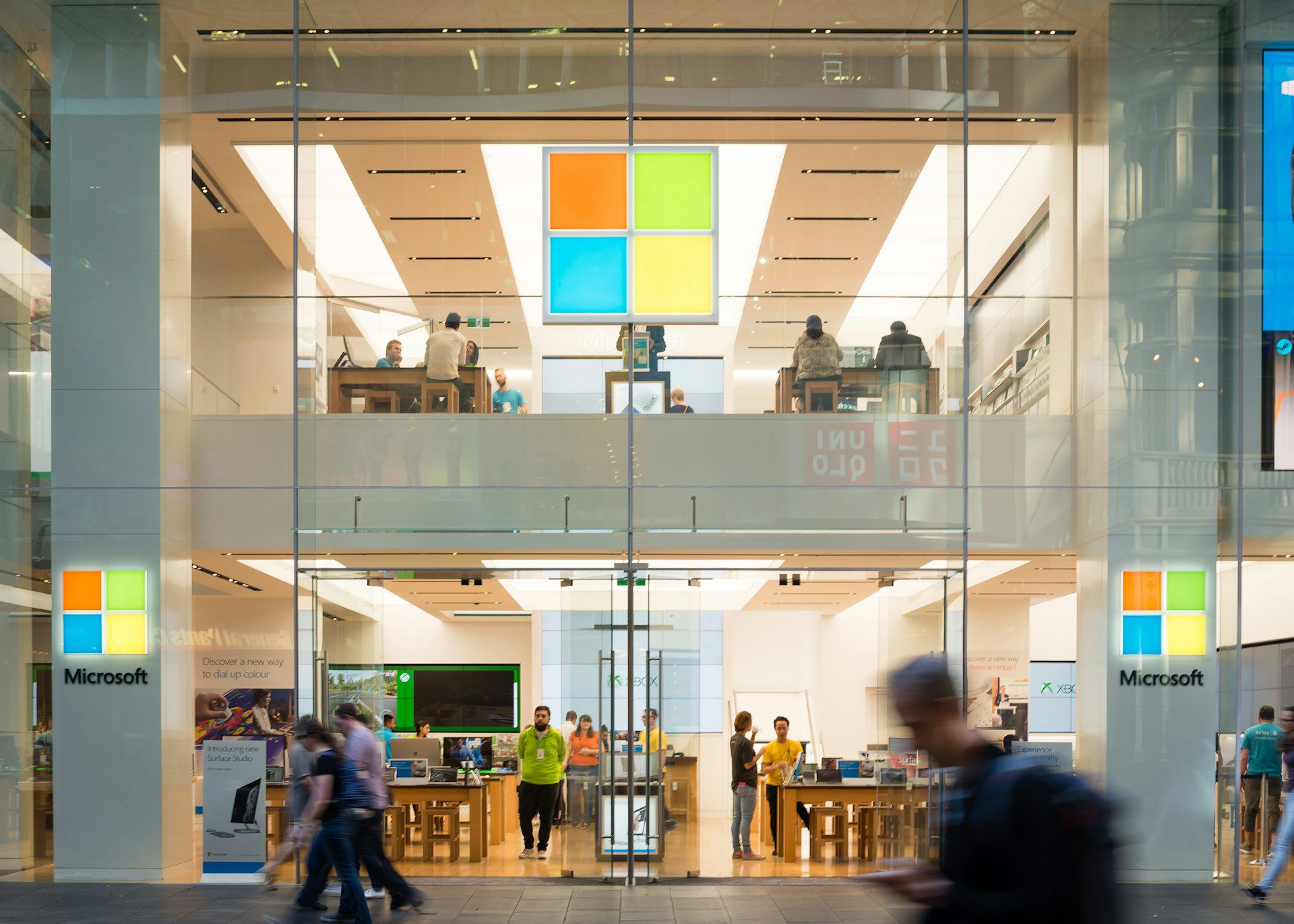
Microsoft’s stock suffered its worst quarterly performance since the 2008 global financial crisis, dropping nearly 23–25% in the first quarter of 2026. This steep decline contrasts sharply with major market indices like the Nasdaq, which fell only 7% over the same period. The stock price dropped from around $481 at the start of the year to about $365 by March 31, raising concerns among investors about the company's future growth trajectory.
The sell‑off is largely attributed to growing concerns over Microsoft’s substantial capital expenditure on AI infrastructure, which is estimated to reach between $100 billion and $146 billion in 2026. Despite a solid Q2 FY26 revenue of $81.3 billion, up 17% year‑on‑year, and continued growth in Azure cloud services, investors remain unsure about whether the heavy investments in data centres and AI development will yield profitable returns in the near term.
A key issue is the internal allocation of GPU and AI infrastructure. Microsoft’s decision to prioritise internal AI tools like Copilot over external cloud services has caused doubts about the growth potential of Azure, even though analysts agree that these strategic investments could prove beneficial in the long run. Copilot adoption has been slower than expected, especially among commercial Office users, leading to questions about the immediate monetisation of Microsoft’s AI portfolio.
Competitive pressures from AI startups and other cloud providers are also contributing to investor unease. With the increasing demand for alternative AI solutions, some analysts fear this could undermine demand for Microsoft’s traditional software and cloud services, further weighing down the company’s stock price. The resulting market reaction has compressed Microsoft’s valuation multiple to its lowest point in years, signalling a disconnect between revenue growth and investor sentiment.
While the steep drop in stock price has raised concerns, some analysts believe this presents a buying opportunity, given Microsoft’s strong foundation in cloud infrastructure and enterprise software. However, the company’s ability to balance heavy infrastructure spending with investor expectations for tangible returns remains a critical challenge moving forward.