
Microsoft Launches Surface Amid Memory Shortage
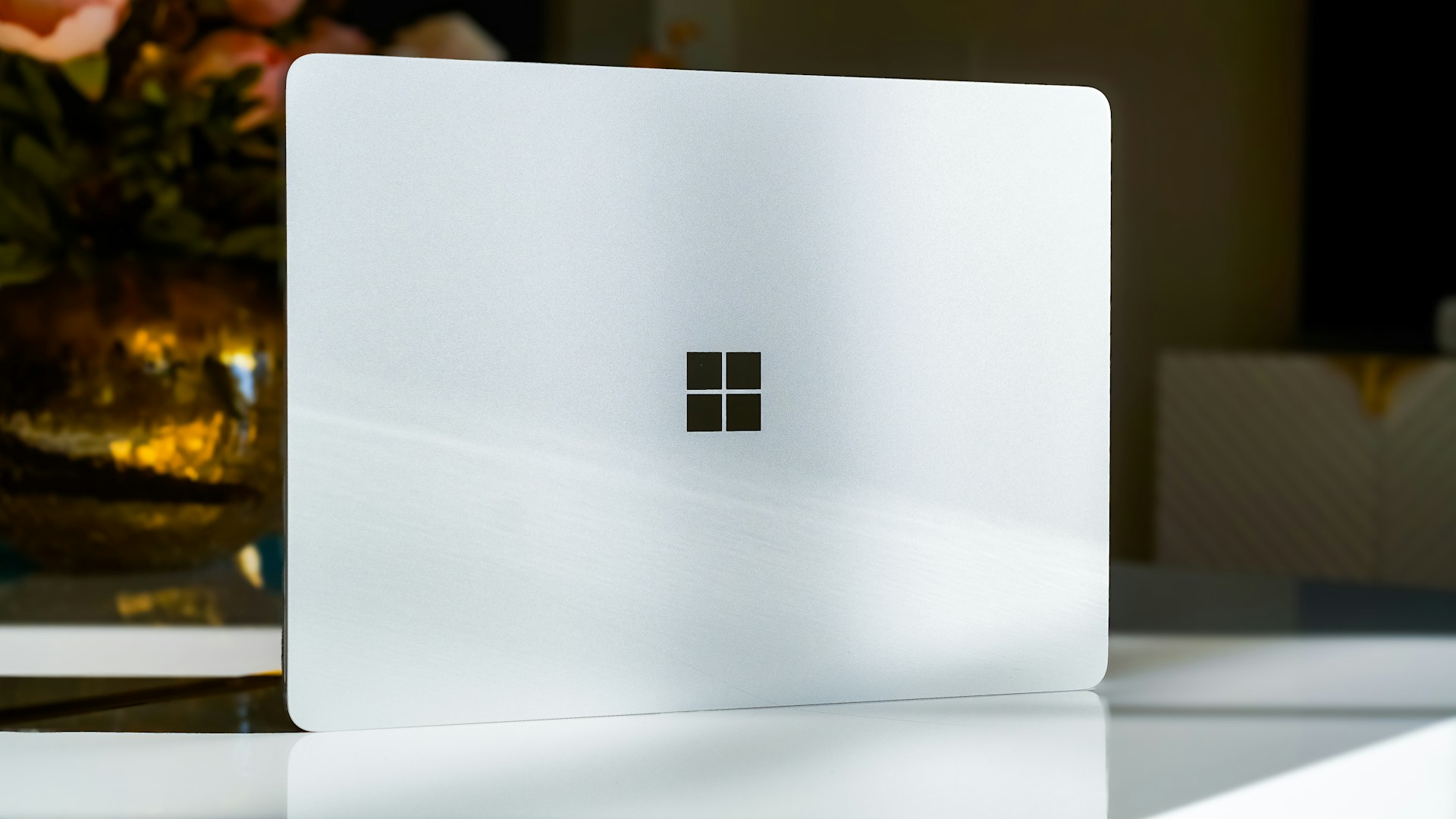
Microsoft has introduced its latest Surface Laptop and Surface Pro devices as the PC industry faces an AI‑driven memory shortage that is pushing up component costs and constraining supply chains. The new models feature upgraded processors, improved graphics performance, extended battery life, and optional OLED displays, targeting both productivity users and AI-enhanced workloads. Microsoft positions the hardware as part of its Copilot+ strategy, integrating devices with software and AI services to support emerging generative AI applications.
The timing of the launch reflects broader pressures in the semiconductor ecosystem, where demand for high-bandwidth RAM and AI-ready memory is elevated due to expanding data centre and AI infrastructure requirements. Component scarcity has increased costs across the PC market, prompting manufacturers to secure long-term supply agreements and adjust pricing strategies. Analysts note that tight memory inventory may persist through 2026, influencing margins, retail pricing, and product availability for new and existing devices.
For investors and technology strategists, the launch underscores the interplay between hardware innovation, component supply, and market positioning. The upgraded Surface models demonstrate Microsoft’s approach to maintaining competitive advantage amid a constrained supply environment, while providing insights into potential adoption rates and revenue growth from AI-enabled devices. Supply-side constraints and memory pricing trends remain key variables for OEMs, impacting both short-term margins and long-term strategic planning.
Institutional investors, portfolio managers, and technology analysts will monitor the Surface rollout for indications of consumer response, inventory absorption, and the effectiveness of Microsoft’s integration of AI capabilities into hardware. The initiative highlights how component scarcity, generative AI demand, and strategic device innovation collectively influence competitive positioning and investment prospects in the global PC ecosystem.