
Meta Signs Multi-Gigawatt Nuclear Power Deals
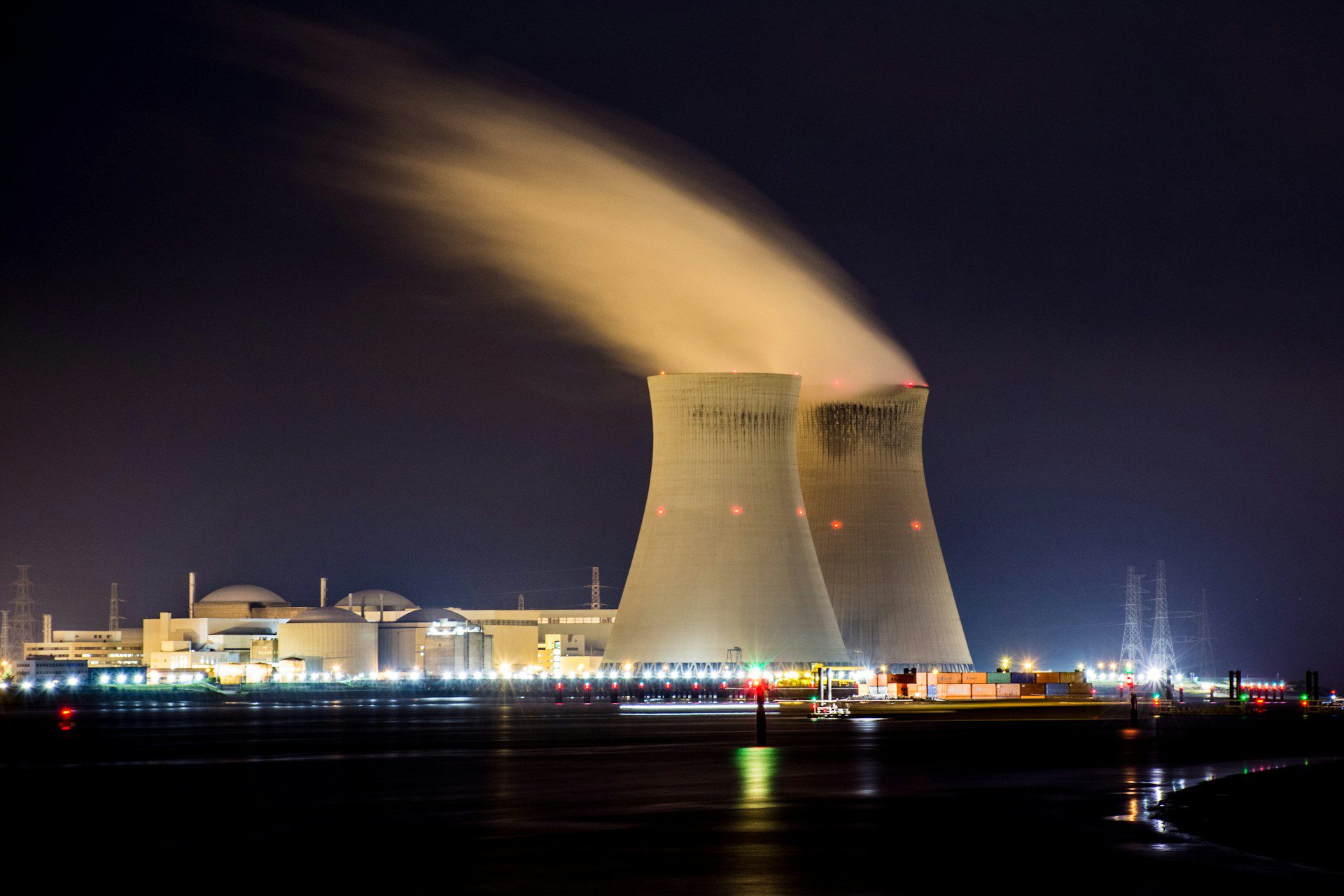
Meta Platforms is securing long-cycle power for artificial intelligence by signing multi-gigawatt nuclear agreements, and contracting sanctioned Venezuelan crude allocations of up to 50 million barrels, signalling how large technology firms are reshaping energy procurement through physical infrastructure, sanctioned inventory, and long-term capital planning. These moves place power stability and fuel optionality at the centre of future compute strategy.
Meta has signed 20-year nuclear power purchase agreements with Vistra, procuring electricity from the Perry and Davis-Besse plants in Ohio and the Beaver Valley plant in Pennsylvania. The contracts underpin ongoing plant operations and potential uprates, a method that allows existing reactors to increase output through engineering efficiency without requiring full rebuild cycles. Meta is pairing these agreements with development support deals for small modular reactor buildouts, including a 1.2 gigawatt SMR campus led by Oklo in Ohio and TerraPower’s Natrium sodium-cooled reactors, which are designed to integrate nuclear generation with energy storage for demand smoothing. The new reactors are targeting first operations in the early 2030s, reflecting long construction and grid integration timelines that exceed those of existing plants.
Meta’s parallel procurement of sanctioned Venezuelan crude oil, valued at €2.8bn at market prices, comes after the capture of Nicolás Maduro. The oil transfer, executed through US interim authorities, is expected to reallocate barrels already held in offshore storage rather than introduce new upstream production volume in 2026. The declaration alters expectations for major buyers, particularly China, which had been the largest importer of Venezuelan crude. Beijing has objected strongly, asserting Venezuela retains permanent sovereignty over its natural resources, a stance that has increased pricing uncertainty for sanctioned heavy crude grades sought by refiners optimised for denser blends.
Markets have responded selectively. Nuclear-linked equities, including Vistra and Oklo, rose modestly in pre-market trading, reflecting investor confidence that long-cycle power contracts may stabilise recurring revenue for firms supplying capital-intensive infrastructure to hyperscale tenants. Meanwhile, energy equities linked to Venezuelan licences also gained, signalling investor interest in medium-term fuel optionality rather than expectations for immediate export expansion.
The convergence of multi-gigawatt nuclear procurement and sanctioned crude inventory illustrates a strategic shift in energy contracting for AI infrastructure. The commercial focus now centres on baseload power, regulatory clearance, storage logistics, yield stability and disciplined long-term capital allocation, shaping outcomes gradually through approvals and sustained deployment rather than short-term market narratives alone.