
Meta Retreats After AI Feature Backlash
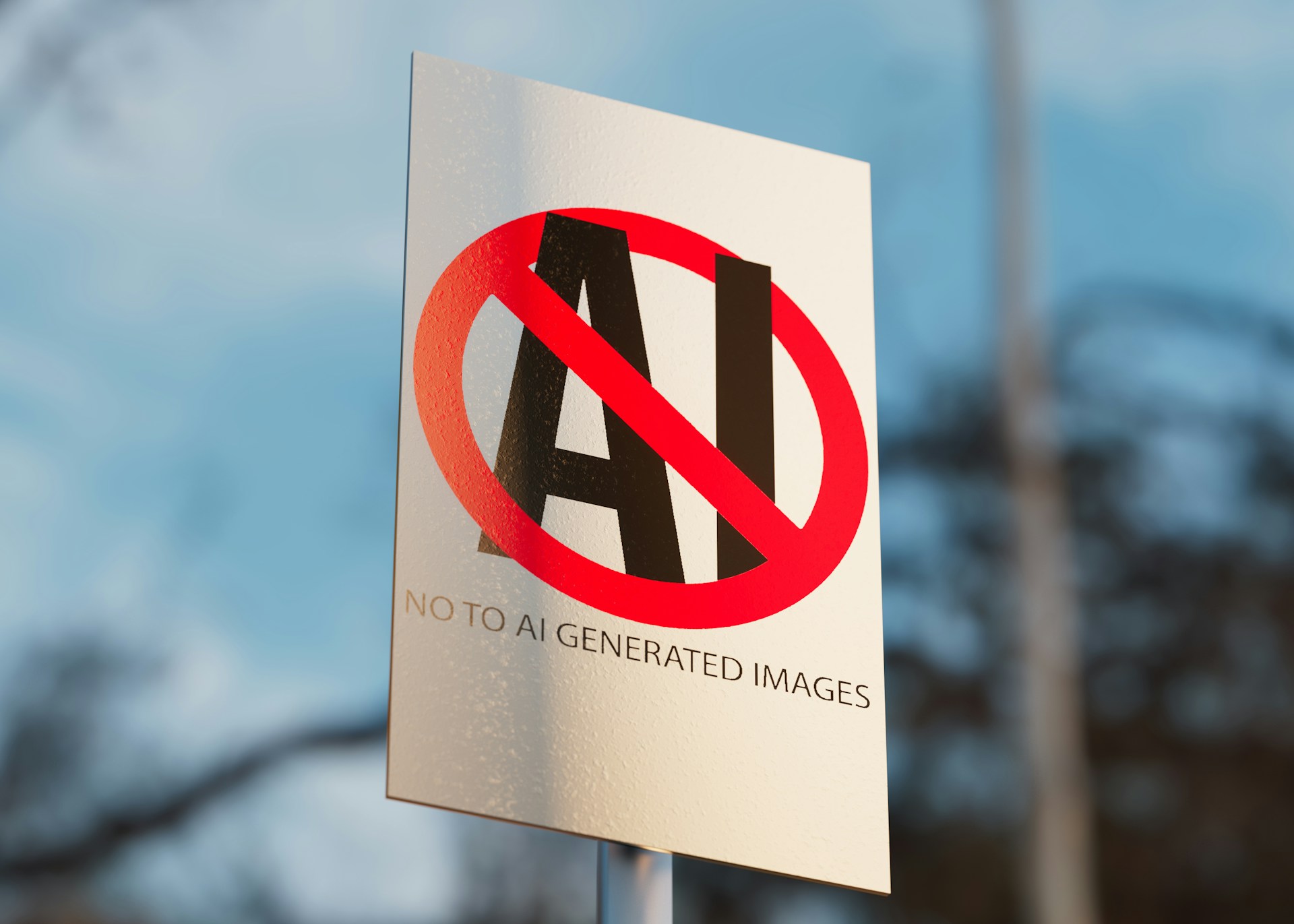
Meta has withdrawn its newly launched AI image generation feature within days of release, underscoring the growing tension between rapid artificial intelligence deployment and user expectations around privacy and consent. The decision follows widespread criticism over how the tool incorporated publicly available Instagram content, highlighting the reputational risks technology companies face when introducing AI products without sufficiently transparent user controls.
The feature, known as Muse Image, was developed by Meta Superintelligence Labs and integrated into the Meta AI assistant. It enabled users to generate and edit images through natural language prompts, sketches and uploaded photos while referencing public Instagram posts to improve creative outputs. Positioned as a major step in Meta’s expanding generative AI strategy, the rollout was intended to showcase more advanced multimodal capabilities. Instead, it quickly shifted attention towards governance, data usage and the boundaries of responsible AI deployment.
Critics argued that the feature relied on an opt out mechanism rather than explicit user consent, raising concerns over how publicly shared content could be utilised in AI generated media. The backlash extended beyond individual users, with actors’ union SAG-AFTRA warning that the approach failed to address longstanding concerns surrounding digital likeness, consent and synthetic content. Public figures also criticised the rollout, amplifying calls for Meta to rethink its implementation before broader adoption.
Meta acknowledged that the launch had failed to meet user expectations and removed the feature while it reassesses its approach. The episode illustrates a broader industry challenge, where technical innovation must be matched by equally robust governance frameworks. As generative AI becomes increasingly embedded across consumer platforms, companies will be judged not only by the sophistication of their models but also by the transparency, accountability and trust mechanisms that underpin their deployment.