
Iran Conflict Threatens Middle East Banking Growth
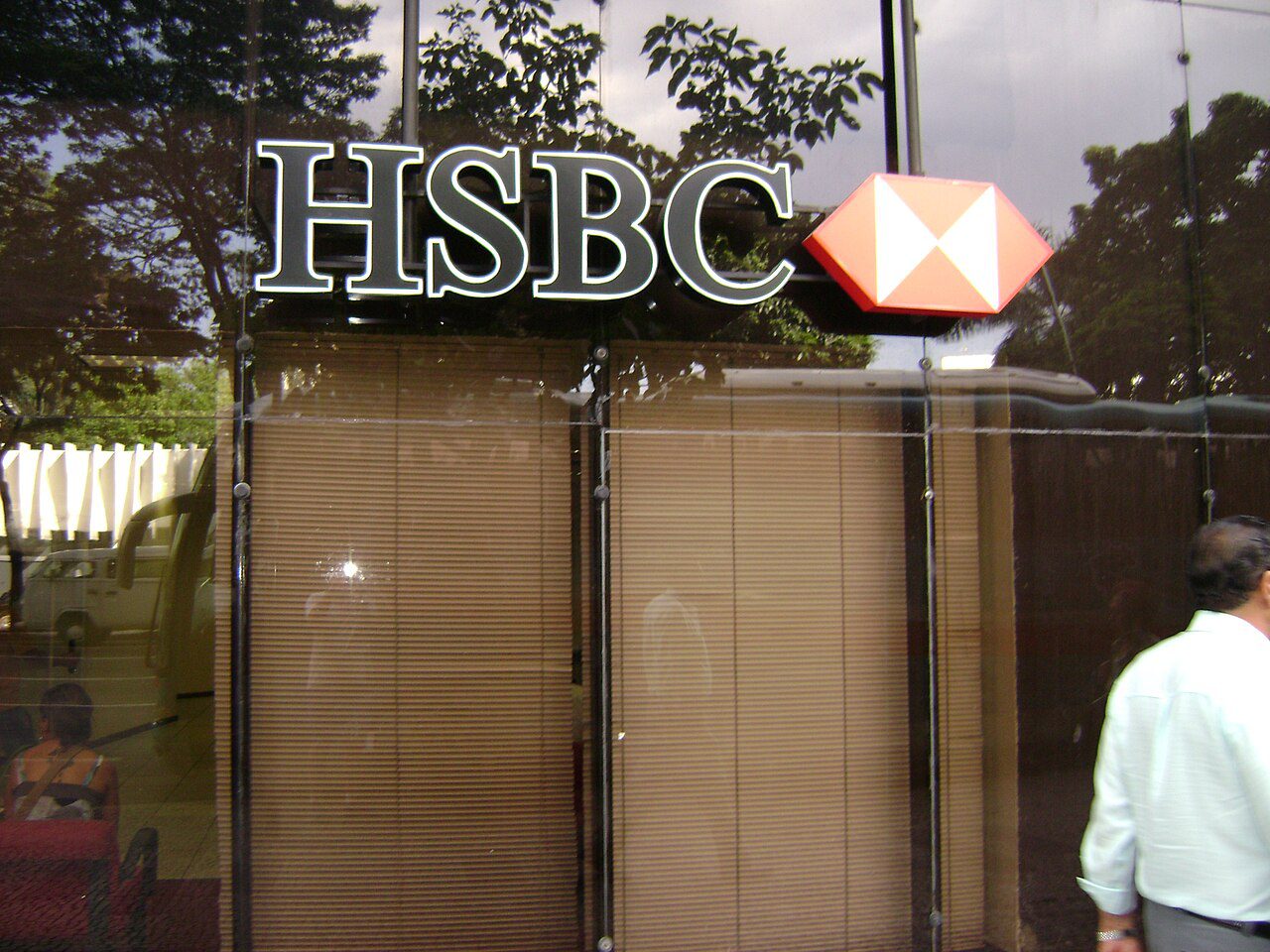
Escalating tensions involving Iran are casting a shadow over the Middle East expansion strategies of global lenders HSBC and Standard Chartered, raising concerns within the banking sector about operational stability and regional growth prospects. The two banks have positioned the Gulf region as a key pillar of their international banking strategy, particularly in areas such as trade finance, cross-border payments and corporate banking services.
Both institutions have taken precautionary measures to manage operational risk as geopolitical uncertainty increases. HSBC temporarily closed branch operations in Qatar while assessing the security environment, while Standard Chartered shifted staff in certain offices to remote work and relocated some employees from Dubai. These steps reflect how international banks must respond quickly to geopolitical developments in regions that play a major role in global financial and trade networks.
Although the direct lending exposure of HSBC and Standard Chartered to the Middle East represents only a relatively small share of their global balance sheets, the region remains strategically important to their banking models. Gulf financial centres such as Dubai, Abu Dhabi and Riyadh serve as major hubs for trade finance, capital flows and wealth management, linking Asian markets with energy-exporting economies across the Middle East.
The conflict has also unsettled banking sector investors, contributing to declines in the share prices of both institutions. Market concerns centre on the possibility that sustained geopolitical instability could disrupt international trade routes, affect energy markets and increase credit risks tied to corporate borrowers operating in the region.
For HSBC and Standard Chartered, Middle Eastern markets are closely connected to their broader strategy of facilitating trade between Asia, Africa and the Gulf. Both banks have expanded their presence in the region in recent years, investing in digital banking infrastructure, corporate banking services and wealth management offerings targeted at high-net-worth clients and multinational companies.
However, the emerging geopolitical risks illustrate the challenges banks face when operating in politically sensitive regions that are central to global commerce. While the immediate financial exposure may be limited, prolonged instability could slow regional banking growth and increase risk management costs.
The situation highlights the delicate balance global banks must maintain between pursuing expansion in high-growth markets and managing geopolitical risk within the international financial system.