
Intel Deploys ASML Technology For Advanced Chips
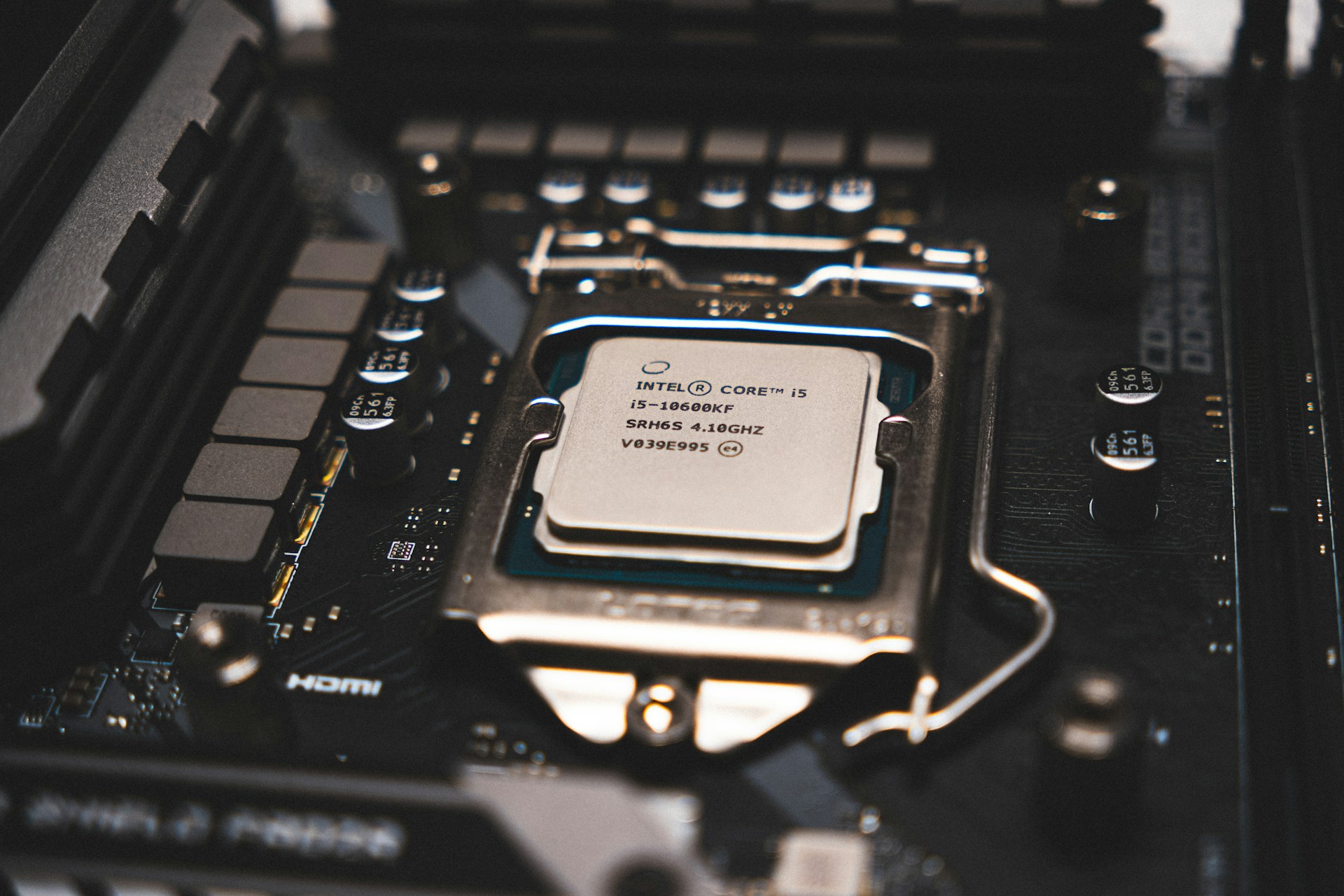
Intel has started using ASML’s next generation High NA extreme ultraviolet lithography technology to produce parts of its Panther Lake laptop processors, marking a significant development in advanced semiconductor manufacturing. The deployment moves one of the industry’s most sophisticated chipmaking technologies closer to commercial production as manufacturers compete to build smaller, more powerful and efficient processors.
High NA EUV equipment enables chipmakers to print increasingly precise features onto silicon, supporting the development of advanced semiconductor nodes. Intel began testing the technology at its Oregon research facility in 2024 and is now using the equipment for selected layers within Panther Lake chips. The processors are manufactured using Intel’s 18A process, although conventional EUV systems continue to handle much of the production workload.
The transition carries substantial operational and financial implications for semiconductor manufacturers. ASML’s High NA machines cost approximately US$400 million each, roughly twice the price of existing EUV systems. Their higher resolution, however, could reduce the number of exposures and processing stages required for complex chip designs. This could eventually simplify manufacturing and improve production efficiency, although integrating the technology at commercial scale remains technically demanding.
Intel’s early deployment also provides critical production data as ASML prepares High NA technology for wider adoption across the semiconductor industry. Successful implementation could strengthen Intel’s manufacturing capabilities while giving the company experience with equipment expected to become increasingly important as chipmakers approach the technical limits of conventional lithography.
The development underscores how semiconductor competition increasingly depends on manufacturing infrastructure alongside processor design. As demand for advanced computing accelerates, access to next generation production equipment will shape performance, capacity and cost competitiveness. Intel’s adoption therefore represents an important test of whether High NA EUV can transition efficiently from experimental deployment towards broader commercial semiconductor manufacturing.