
Global trade to hit record $35tn
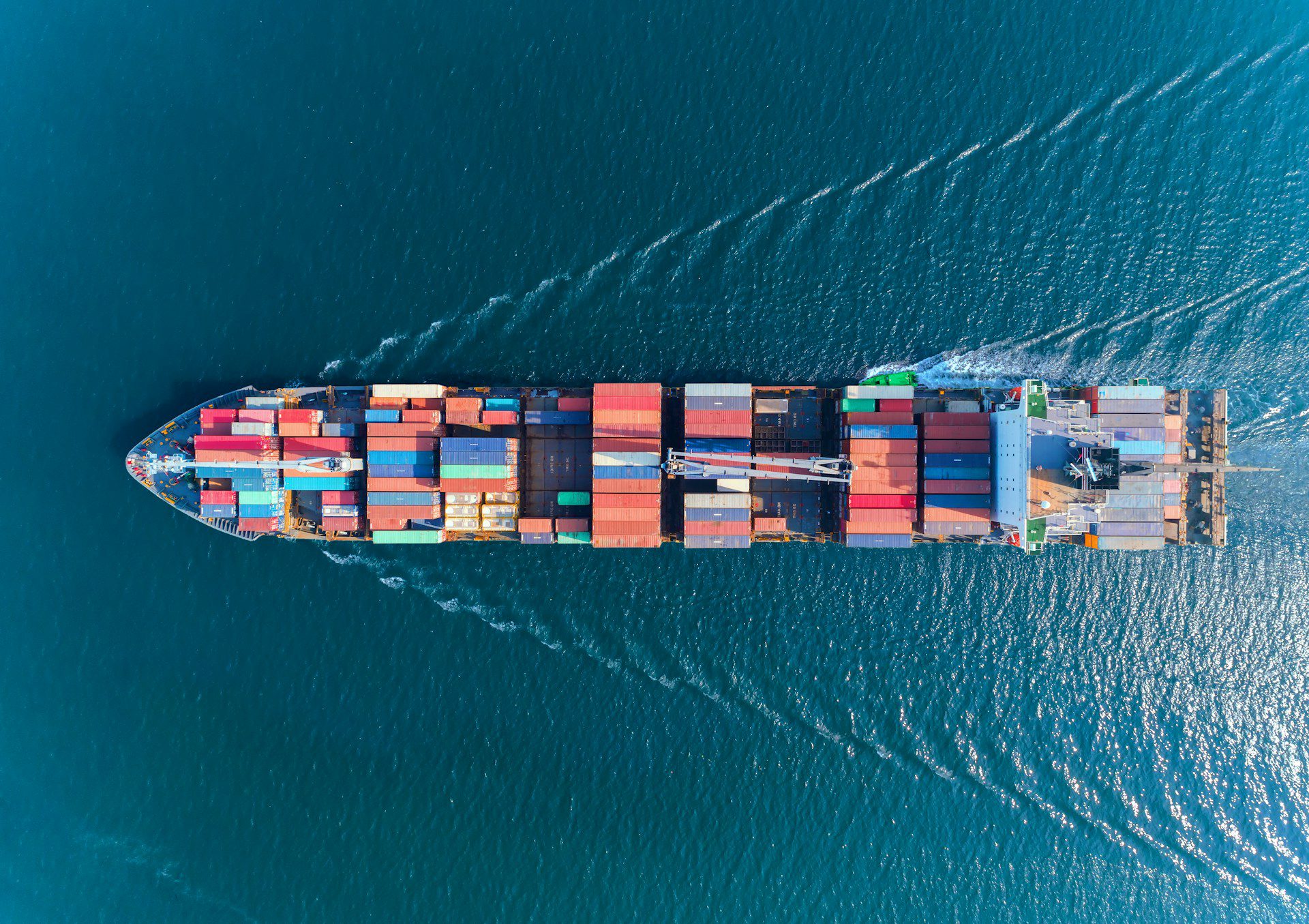
Global trade is on course to surpass 35 trillion dollars this year, marking a new milestone for the world economy. Forecasts from the United Nations point to steady momentum despite persistent geopolitical tensions and uneven growth across major regions.
According to the latest assessment from the UN trade body, global commerce is expected to expand by about seven per cent in value terms during 2025. Goods trade is forecast to add roughly 1.5 trillion dollars to total flows, while services are projected to grow by close to nine per cent, contributing about 750 billion dollars. The rising weight of services reflects continued demand for digital, financial and transport-related activities. This shift underlines how services now account for a growing share of global trade.
Growth is not evenly distributed across the global economy. East Asia and parts of Africa are among the strongest performers, while several advanced economies continue to record more modest trade expansion. Trade between developing economies, often described as South to South flows, is rising at a faster pace than global averages. At the same time, firms are adjusting supply chains in response to political risk, higher security requirements and the search for more resilient production networks.
The outlook also reflects the gradual easing of some inflationary pressures and lower shipping costs compared with the disruptions seen earlier in the decade. Digital services, tourism and logistics remain key drivers of momentum, supported by pent up demand for travel and cross border business activity. However, the rebound remains fragile in parts of Europe and Latin America, where tighter financial conditions and weak consumer demand continue to weigh on external trade.
Looking beyond this year, UN economists warn that momentum is likely to soften in 2026. Rising public debt, higher trade costs and uncertainty over interest rates and global policy co-ordination could curb further expansion, even as global trade remains structurally more diversified than in previous cycles.