
Gazprom Forms Drone Defence Units
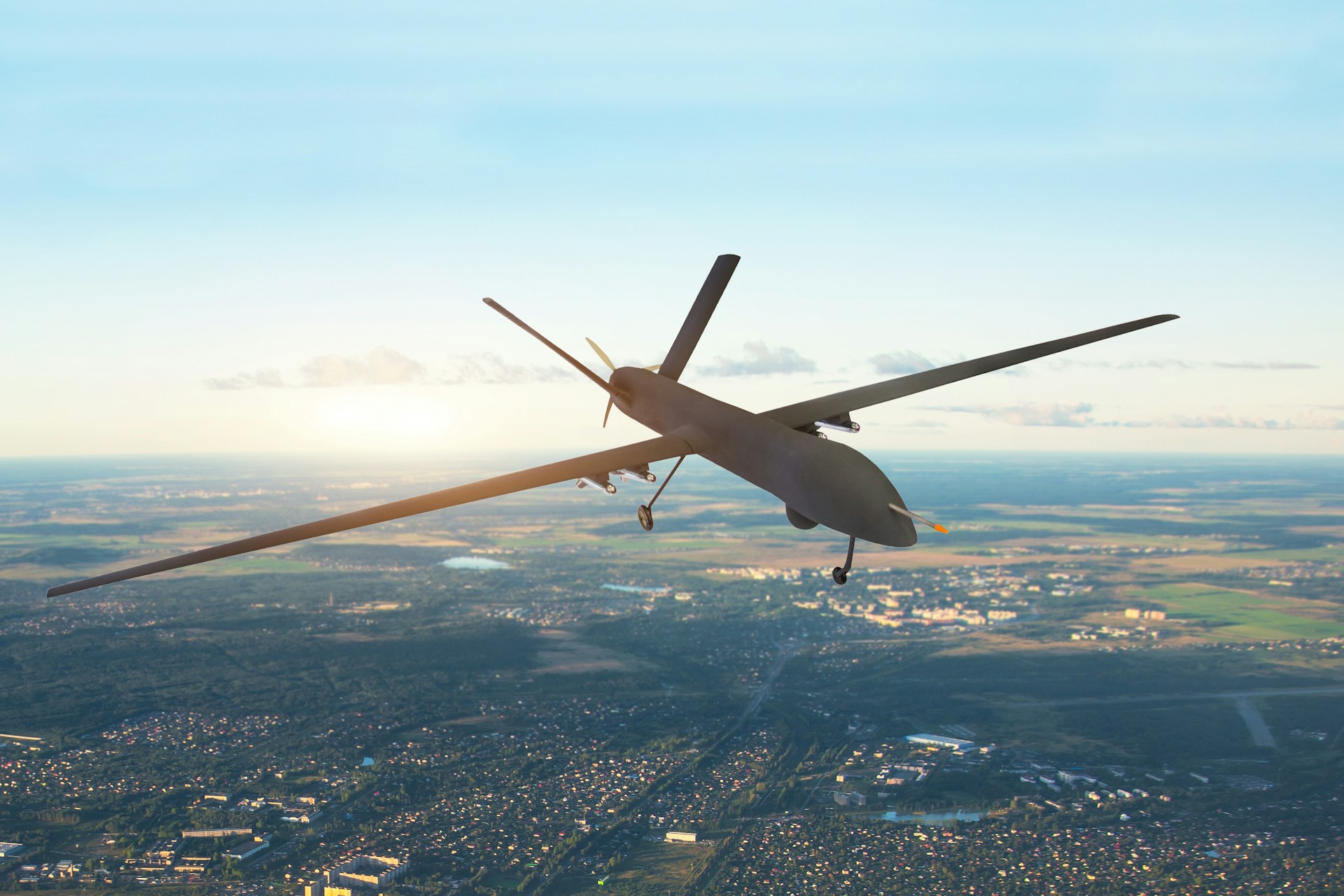
Gazprom has reportedly reached an agreement with Russia’s Defence Ministry to create mobile firing groups to protect the gas giant’s infrastructure, in a sign of Moscow’s widening effort to defend strategic energy assets from Ukrainian drone attacks.
Independent outlet Ekho reported that the arrangement was detailed in internal company documents. Under the plan, volunteers would be recruited into Russia’s mobilisation reserve after medical checks, a selection process and two months of training. They would then sign three-year contracts while continuing their civilian jobs, attending military training periodically rather than serving as active-duty personnel.
The groups’ main role would be to patrol and protect Gazprom’s gas infrastructure. During exercises, reservists could also be assigned to guard other critical facilities, but only within the region where they signed their contracts.
The initiative reflects a broader shift in Russia’s approach to infrastructure defence as long-range Ukrainian drone strikes increasingly target oil, gas and industrial facilities far from the front line. Instead of relying only on regular air defence units, Russian authorities have begun expanding regional volunteer formations, reserve units and mobile response groups around sensitive sites.
For Gazprom, the issue has become more urgent. The company has reported several Ukrainian drone strikes on its facilities since the start of 2026, including compressor stations linked to gas exports through the TurkStream and Blue Stream pipelines. In May, drones hit the Astrakhan Gas Processing Plant, one of Russia’s largest gas processing sites. Late June also saw attacks on Gazprom’s gas processing and helium plants in the Orenburg region.
According to the documents cited by Ekho, Gazprom would pay participants 200,000 rubles, about $2,560, per month while they attend training, on top of Defence Ministry payments. The company also plans to provide three meals a day, uniforms, medical treatment, life insurance and free transport to and from training sites.
The initial contracts would run for three years, with possible extensions of three years, five years or shorter periods depending on age. The reported upper age limits are 52 for enlisted personnel and warrant officers, 57 for junior officers and 62 for senior officers.
The Gazprom plan follows similar regional measures. Earlier this year, authorities in the Leningrad region began recruiting volunteer mobile firing groups to counter drone attacks. Those volunteers were promised a one-off payment of 250,000 rubles, monthly salaries from 200,000 rubles and a 100,000-ruble bonus for each drone shot down.
The reported Gazprom arrangement suggests Russia is increasingly treating energy infrastructure protection as a semi-militarised task, extending the war’s security burden into companies, regions and civilian workplaces.