
DoorDash Brings Drone Delivery Technology In-House
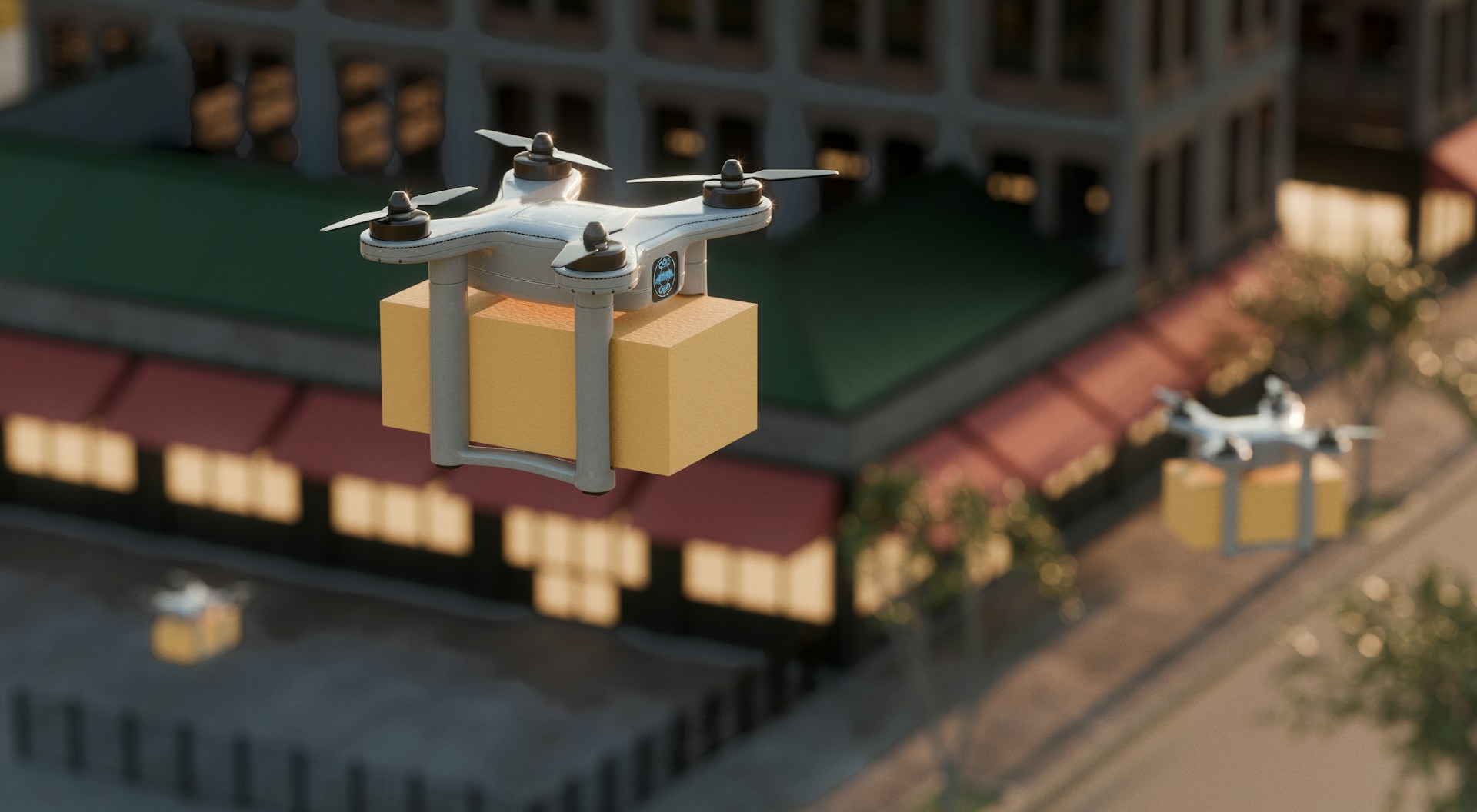
DoorDash wants to control more than the app connecting restaurants with customers. Its launch of an in-house drone delivery operation signals a deeper technology shift, as the company looks towards autonomous systems to reshape the costly final stage of delivery.
The company has secured US regulatory approval to operate commercial drone deliveries under its own authority. This gives DoorDash greater control over how it develops, tests and eventually expands aerial delivery, reducing its dependence on external drone operators as the technology moves closer to wider commercial use.
The opportunity centres on last-mile economics. Delivering relatively small orders over short distances remains expensive because platforms depend heavily on human couriers. Drones could handle suitable journeys with lower labour requirements, while drivers focus on larger orders, longer distances and deliveries that require greater flexibility.
Bringing the technology in-house could also give DoorDash more control over logistics data and customer experience. Its platform already manages restaurants, couriers and consumers across a large delivery network. Adding autonomous aircraft creates another layer, potentially allowing software to determine whether a driver or drone is the most efficient option for each order.
Yet commercial scale remains the difficult part. Aviation regulation, weather, safety requirements and restrictions around densely populated areas could limit deployment. DoorDash must also demonstrate that drones can reduce delivery costs sufficiently to justify investment in aircraft, operations and supporting infrastructure.
The launch reflects a broader transformation across delivery technology. Automation is moving beyond warehouses and into the final journey to consumers, where costs remain stubbornly high.
For DoorDash, owning the technology could prove more important than simply offering faster deliveries. If drone operations become commercially viable, the company could evolve from coordinating human couriers into managing a hybrid logistics network where software increasingly decides how goods reach customers.