
Cop30 boosts renewables as fossil exit stalls
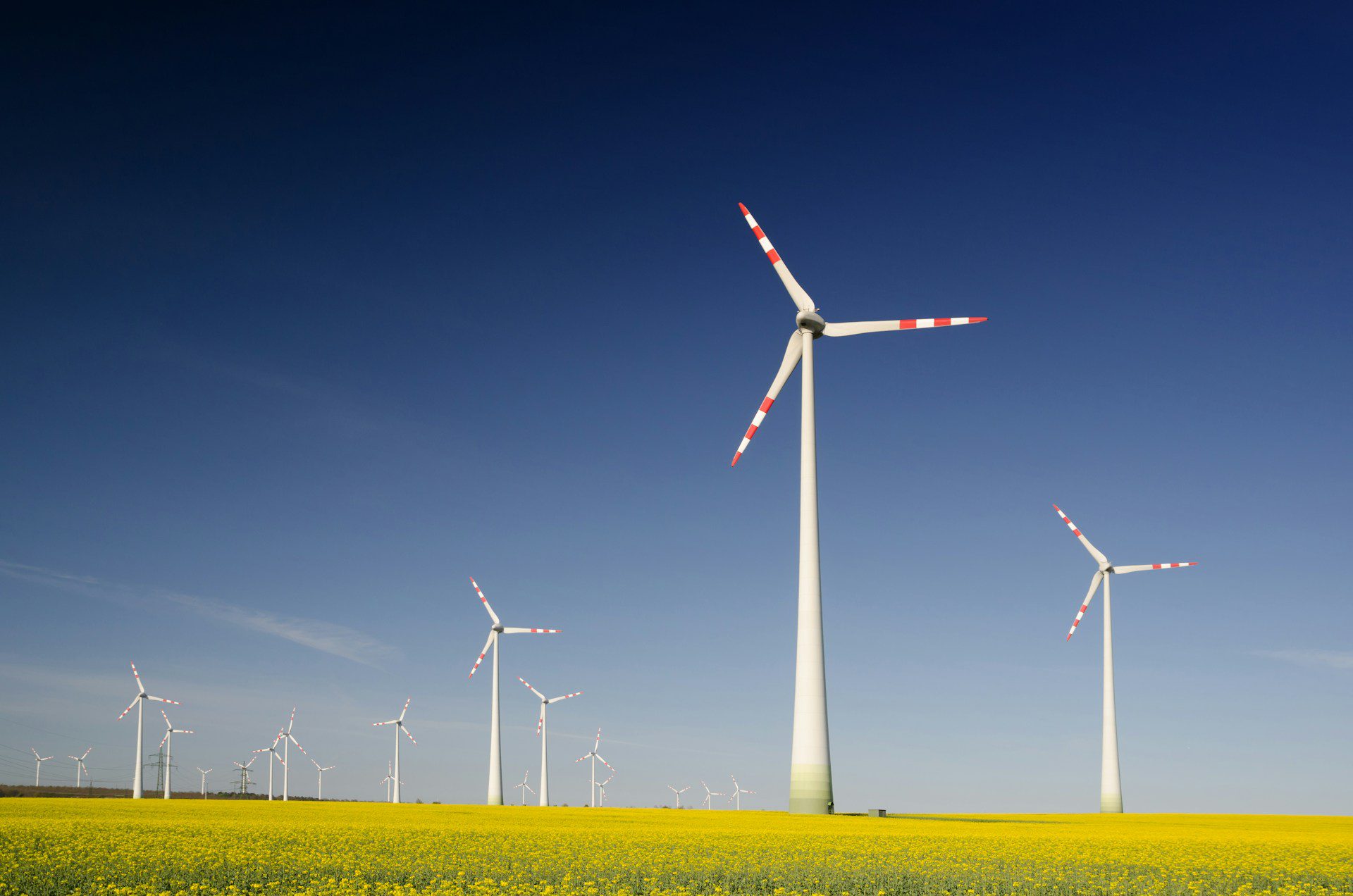
World leaders at Cop30 in Brazil reinforced commitments to expand renewable energy and modernise industrial systems, yet failed to secure a clear global agreement on ending fossil fuel use. The summit produced strong declarations supporting solar, wind, hydrogen and grid investment, reflecting growing recognition that clean energy is essential for long-term stability. However, resistance from major oil and gas producing nations weakened attempts to include explicit language on phasing out fossil fuels, exposing the persistent divide between climate ambition and energy reality.
More than 80 countries backed initiatives aimed at accelerating decarbonisation, including plans to upgrade power networks, develop large-scale storage and reduce methane emissions. Several governments outlined new funding arrangements to support projects in developing markets, using blended finance and debt-based climate mechanisms to attract private investment. These commitments reaffirmed that while political agreement can be slow, significant momentum exists within both governments and industries to push the transition forward through practical action.
Despite this progress, the final agreement relied on voluntary pledges and future reviews rather than binding targets. Critics argue that without an enforceable pathway away from fossil fuels, global emissions will continue to fall too slowly to meet climate goals. Supporters of the compromise counter that a gradual approach is necessary to maintain energy security, protect economic stability and prevent sudden disruption in regions still heavily reliant on traditional fuels.
For investors, Cop30 reinforced an important shift in direction. Capital is increasingly flowing towards renewables, green infrastructure and low-carbon technologies as costs fall and demand rises. At the same time, fossil fuel assets carry growing regulatory and reputational risk, encouraging a reassessment of long-term strategies.
The summit highlighted a world moving forward in pieces, not as one. While governments debate language, markets are already adjusting. The pace of change will depend less on diplomatic statements and more on whether economic incentives, innovation and coordinated policy can outpace the lingering dependence on carbon-based energy systems.