
Canada Tariffs Deepen Cross-Border Economic Strain
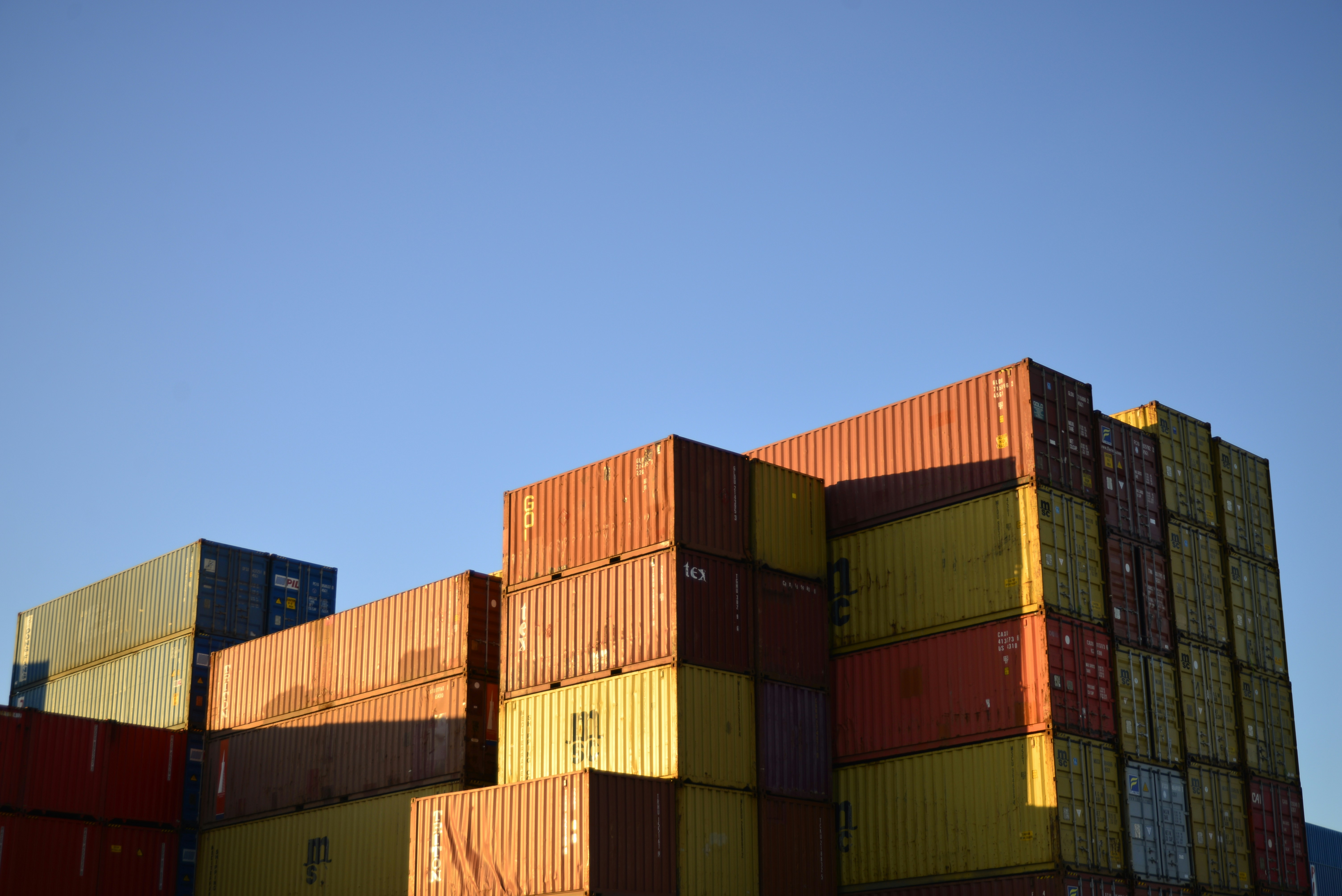
Canada’s retaliatory tariffs on about $20 billion of US goods have taken effect, intensifying trade tensions between two closely connected economies. The measures add fresh pressure to business costs, consumer prices and investment confidence, while raising questions over the resilience of North American trade.
The duties range from 15 per cent to 50 per cent and apply to hundreds of American products, including steel, aluminium, clothing, wood products, appliances, cosmetics and farm equipment. Tariffs on US steel and aluminium have doubled to 50 per cent, increasing costs for sectors already exposed to volatile input prices.
The move follows the breakdown of trade talks and fresh US tariffs on Canadian goods. Ottawa had also planned duties on maritime products such as lobster and fish, but withdrew them after resistance from businesses on both sides of the border. The reversal highlights the difficulty of using tariffs without creating wider disruption for industries that depend on cross-border supply chains.
For the Canadian economy, the deeper concern is how prolonged trade friction could feed through to growth. Manufacturers may face higher production costs, retailers could pass some increases on to consumers, and companies may delay investment while trade rules remain uncertain. These pressures become more significant when supply chains are closely integrated across both countries.
Canada is also looking to strengthen commercial ties beyond the US, but diversification will take time. The US remains its most important trading partner, limiting how quickly exposure can be reduced. If further tariffs emerge, particularly in autos and parts, the dispute could move from temporary retaliation towards a more lasting economic realignment.